
5 Pillars of Tourism: Complete Guide with India Examples
The 5 Pillars of Tourism: A Complete Guide with India Examples Updated July 2026 — curated by the Idyllic India...
Read More →
Updated July 2026 — curated by the Idyllic India Tours travel team
Every trip rests on five things working together: where you stay, how you get there and around, how accessible the place is, the amenities that keep the visit comfortable, and the attractions that give you a reason to go. This guide covers each pillar in turn, with India examples throughout.
In this guide
PILLAR 1: ACCOMMODATION
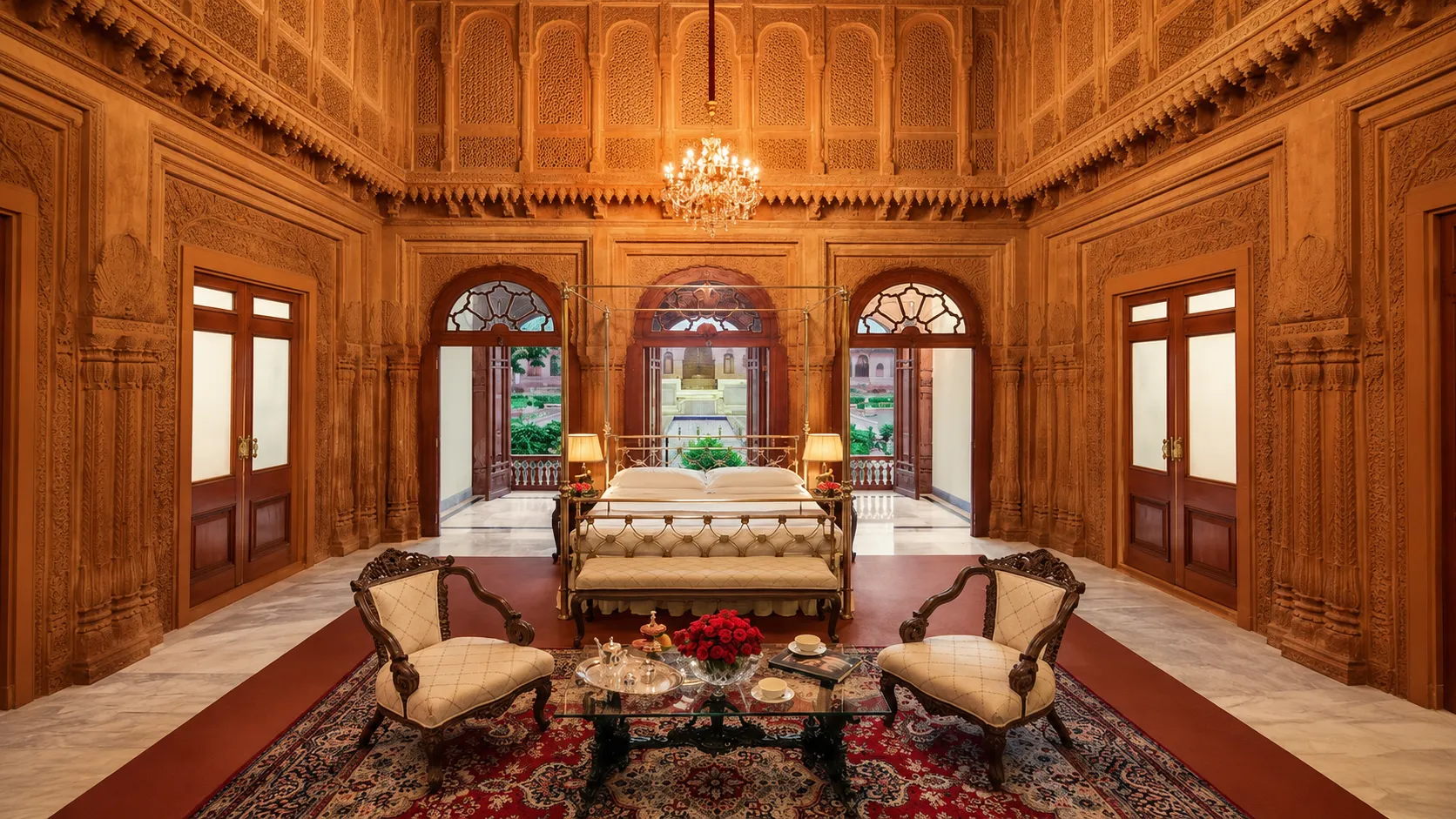
Where you sleep affects a trip more than most people plan for. It decides how far you travel each morning, whom you meet, what you eat and how much of a place you actually experience. The types of accommodation in tourism range from a bed in a shared hostel dorm to a restored palace with its own staff, and the right choice depends on the trip rather than a star rating alone.
This guide defines tourist accommodation and explains the difference between serviced and non-serviced stays. It then walks through the main types, the options that are specific to India, and how to choose.
Tourist accommodation is any place where a visitor stays overnight away from home. That includes paid stays and informal ones. The UN’s International Recommendations for Tourism Statistics treat stays without charge with family or friends, and owner-occupied stays, as separate from paid establishments, and encourage countries to build their own national groupings (UN Tourism accommodation statistics). This is why “hotel”, “resort” or “guesthouse” can mean quite different things from one country to the next.
The most useful distinction for a traveller is who does the work.
These labels are applied loosely, so always check what is actually included: daily housekeeping, breakfast, reception hours and check-in process.
Hotels are the benchmark: private rooms, a front desk, housekeeping and usually a restaurant. They range from limited-service budget hotels to full-service properties with several restaurants, a gym and event space. Chain hotels offer predictability; independent hotels vary more but often have more character. Business hotels are tuned for city locations, quick check-in and reliable internet.
A resort is built to keep you on site: pools, dining, spa, activities and often a beach or landscape setting. Many sell meal plans. “All-inclusive” generally means that accommodation, meals, and many drinks and activities are covered by one price, but inclusions differ between resorts, so read the list of what is excluded. Resorts suit leisure breaks, honeymoons and family holidays more than sightseeing-heavy itineraries, since getting out and back takes planning.
There is no strict definition, but boutique hotels are typically small, individually designed and personal in service, with fewer facilities than large hotels. A restored townhouse with twelve rooms is a typical example. They suit travellers who value atmosphere over an on-site gym.
Hostels offer beds in shared dormitories, often with a shared kitchen and common area, and many also have private rooms. They are the cheapest way to stay in many cities and a natural place to meet other travellers. Noise and limited privacy are the trade-off. Many hostels offer women-only dorms, so check when booking.
These combine an apartment (kitchenette, living space) with hotel-style reception and cleaning. They work well for stays of a week or more, for families who need space, and for remote workers.
A B&B or guesthouse is usually a smaller, host-run property where the room price includes breakfast. The host’s local knowledge is often the main benefit.
Apartments, villas and cottages rented short-term, often as a whole unit. They give you space, a kitchen and privacy, which is good for groups, but services are limited and quality depends on the host. Check cancellation terms, the check-in process and the house rules before paying.
Camping ranges from a basic pitch to furnished safari or desert tents with real beds and private bathrooms; the latter is usually called glamping. Remote lodges sit near wildlife reserves, mountains or deserts, and the location is the point. Expect fewer amenities and longer transfers.
Cruises and luxury trains are accommodation as well as transport. A journey such as the Maharaja Express means your room travels with you, and meals and sightseeing are built in. If that format interests you, see our luxury train tours in India.
India’s Ministry of Tourism defines heritage hotels as hotels running in palaces, castles, forts, havelis, hunting lodges or residences of any size built before 1950 Ministry of Tourism guidelines. They are classified into Heritage Basic, Heritage Classic and Heritage Grand, alongside the usual 1 to 5 Star Deluxe categories. The scheme is voluntary MoSPI, Statistical Year Book, so a lovely old building may have no official grade at all, and a classification is not a guarantee of quality. Under revised guidelines, some 4 and 5 Star hotels and Heritage Classic properties can be classified with or without alcohol service KNN India, which is worth knowing if that matters to you.
Rajasthan has the densest concentration of these properties. Our Royal Rajasthan tours are built around this kind of stay, and our Heritage Properties articles cover individual places in more depth.
A haveli is a traditional courtyard mansion, historically built by merchants and noble families. Many have been converted into small hotels or guesthouses, and the Ministry of Tourism’s heritage category explicitly includes them. Expect painted walls, inner courtyards and steep staircases. Check whether there is a lift if mobility is a concern.
In a homestay you stay in a family home. Under the Ministry of Tourism’s voluntary Incredible India scheme, the owner’s family must live on the premises, with one to six rooms (12 beds) let out, on a bed-and-breakfast basis. Some state governments run their own approval schemes too. Many good homestays are not registered at all, so read recent reviews and confirm the details directly. They suit travellers who want home-cooked food and local conversation in villages and hill regions.
Lodges around tiger reserves and national parks are often small, built with local materials, and run around early-morning and late-afternoon safaris. For a wildlife add-on to a classic route, our Golden Triangle with Ranthambhore itinerary is an example of how a lodge stay can sit within a city circuit. Kerala’s houseboats on the backwaters are another India-specific form of accommodation.
| Type | Relative price* | Typical services | Best for |
|---|---|---|---|
| Hotel | –$$ | Housekeeping, front desk, restaurant | Short stays, first-time visitors, business |
| Resort | $–$$ | On-site dining, pools, activities, spa | Leisure breaks, families, honeymoons |
| Boutique hotel | $–$$ | Design-led rooms, personal service | Couples, city stays, atmosphere seekers |
| Hostel | $ | Dorm or private rooms, shared kitchen | Solo and budget travellers |
| Aparthotel / serviced apartment | –$ | Kitchenette, reception, periodic cleaning | Longer stays, families, remote work |
| B&B / guesthouse | $–$$ | Room with breakfast, host on site | Slow travel, local advice |
| Vacation rental | $–$$$$ | Self-catering, limited service | Groups, families, long stays |
| Camping / glamping | $–$$$ | Pitch to furnished tent | Nature, safari, desert |
| Heritage / palace hotel (India) | $–$$ | Historic building, dining, often guided tours | Culture, Rajasthan itineraries |
| Homestay (India) | $–$$ | Home-cooked meals, local guidance | Cultural immersion, villages, hills |
*Relative to other options in the same destination and season. These are not quoted rates.
Solo female travellers. Look for a staffed 24-hour reception, a location near a main road or transport, and recent reviews from other women. Women-only dorms at hostels, small well-run guesthouses and established hotels are all sensible. Be wary of isolated places you have not been able to verify. Share your booking details with someone at home.
Families. Space and flexibility matter more than ornament. Look for connecting rooms or suites, a kitchenette for early meals and pool safety. Old buildings can have stairs and low parapets, so ask. A resort can simplify things for small children; a serviced apartment works better for a longer stay.
Luxury travellers. The difference is usually service and setting rather than room size: private transfers, a dedicated host or butler, and a property with real history or a remarkable location. Palace hotels, boutique properties and luxury trains each give something different. If you’d rather have those choices sequenced for you, our private India journeys are designed around stays like these.
Budget and long-stay travellers. Hostels, guesthouses and vacation rentals with a kitchen give the best value, especially over a week.
PILLAR 2: TRANSPORTATION
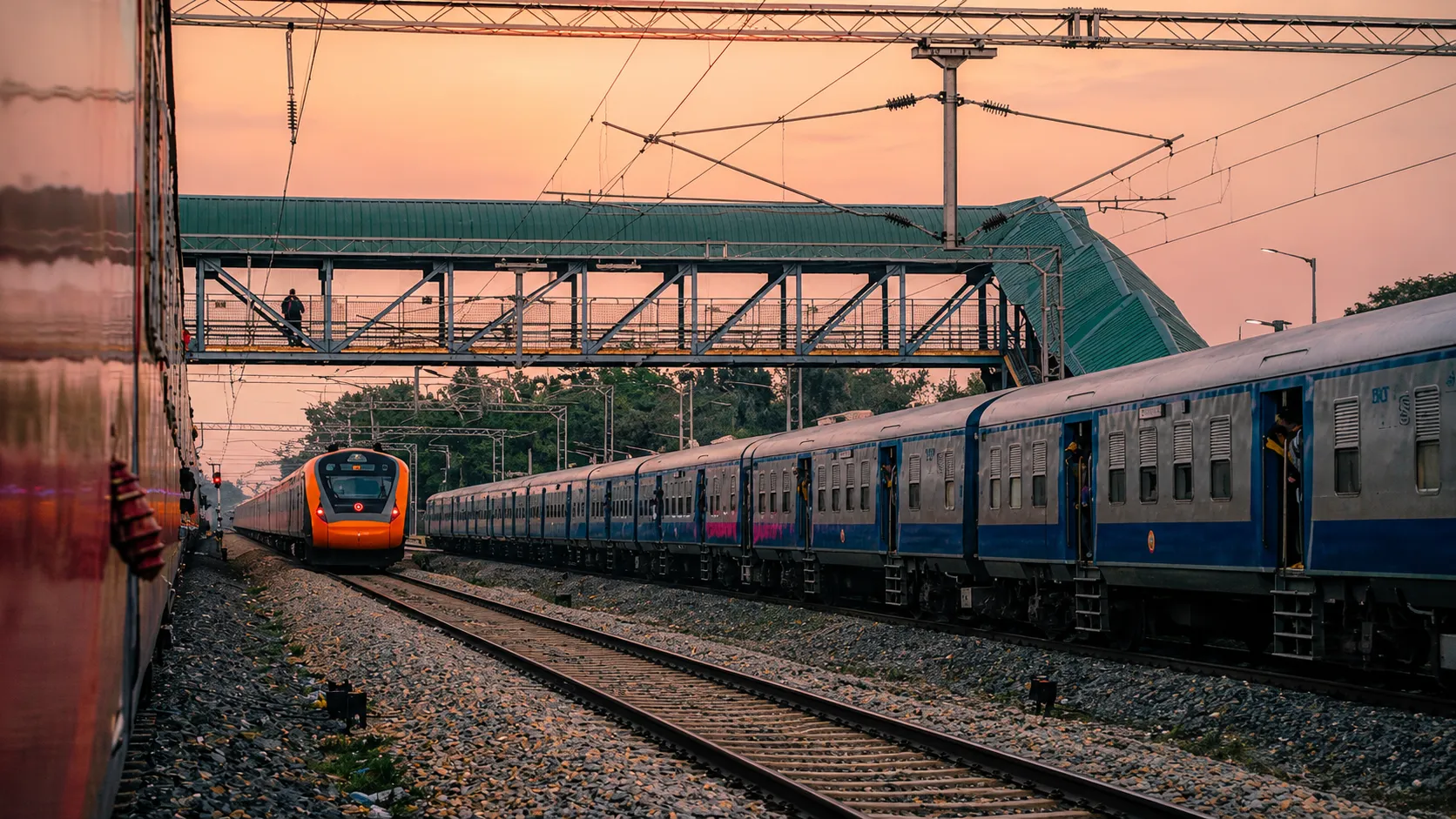
A trip is a series of movements with a destination in the middle. Before you see anything, you have to get there, and once you arrive you need to get around. That is why transportation in tourism is more than a logistics detail. It decides which places are practical to visit, how long a trip takes, what it costs and how much of the journey you actually enjoy.
This guide explains the role of transport in tourism, compares the main modes, looks at what it costs and where it becomes the experience itself, and covers last-mile connections and lower-emission choices, with India examples throughout.
Tourism depends on people moving away from their usual environment, so transport is built into the definition. It matters in four practical ways.
Travellers often choose destinations by how easily they can reach them. A direct flight, a rail line or a good road link can decide between two similar places. When a new airport opens, a rail route is upgraded or a road is improved, nearby destinations tend to become practical for more people. The reverse is also true: a destination that is hard to reach or poorly connected inside tends to lose visitors to easier alternatives.
India shows how heavily international tourism relies on one mode. In 2024, Ministry of Tourism data show that about 83% of foreign tourist arrivals came by air, about 16% by land and about 0.5% by sea (data via Dataful). Airports are therefore the front door for most international visitors, and onward domestic connections matter a great deal.
Air travel covers long distances quickly and dominates international arrivals. For India, domestic flights are the practical way to link distant regions, such as the north and the south, within a limited trip. Flights suit long hops. They are less efficient for short legs once airport time is counted. Winter fog in north India can delay flights, so avoid tight same-day connections in that season.
Trains are a core part of travel in India. They run through city centres, cost less than flying on many routes and let you watch the country go by. Reserve early on popular routes. Rail works especially well on corridors where cities are a few hours apart.
Road transport covers private cars, chauffeur-driven vehicles, coaches, buses and rental cars. It is the most flexible mode: it goes door to door, stops where you want and reaches places no train serves. Road transfers are common on classic routes such as the Delhi–Agra–Jaipur circuit, where each leg is a few hours. If you are curious how such a route is structured, our Golden Triangle tours show the typical itinerary. Check each itinerary page for what transport is included.
Water transport includes ferries, cruises, river boats and houseboats. It is the main link to islands and is often part of the experience. Kerala’s backwater houseboats and river cruises are examples where the vessel is also the stay.
The last mile is the final stretch between a major hub and the actual place you are going: the airport to the hotel, the station to the fort, the town to the national park gate. This stretch is often where trips go wrong. Common local options include metro and city buses, taxis and ridesharing, auto-rickshaws, hotel shuttles, bicycles and walking.
Planning the last mile matters most at national parks and remote sites, where public transport is limited and entry may require a specific vehicle or a licensed guide. Private or pre-booked transfers remove the uncertainty after a long journey, especially for families, older travellers and anyone arriving late at night.
| Mode | Strengths | Limits | Best for |
|---|---|---|---|
| Air | Fast over long distances; wide network | Airport time; weather and fog delays; higher emissions | Long distances, international arrivals |
| Rail | Central stations; scenery; generally lower emissions | Fixed routes and timetables; popular trains fill early | Corridors between cities, scenic journeys |
| Private car / chauffeur | Door to door; flexible stops; comfortable for groups | Slower over long distances; road conditions vary | Multi-stop routes, families, small towns |
| Coach / bus | Low cost; wide coverage | Fixed stops; less comfort and flexibility | Budget travel, short regional hops |
| Water (ferry, cruise, houseboat) | Reaches islands and backwaters; can be the experience | Slow; weather- and season-dependent | Islands, backwaters, leisure |
| Local transport (metro, taxi, auto, bike) | Cheap and frequent in cities | Variable quality; navigation can be tricky | Getting around once you arrive |
There is no single answer. The share of a trip budget that goes on transport depends on the country, the distance, the mode and the travel style. Official statistics show how much it varies. In Iceland’s tourism satellite account, air passenger transport made up 21.9% of inbound tourists’ spending in 2015, down from 28.9% in 2009. That is a remote island economy where nearly every visitor flies, so treat it as an illustration and not a benchmark for India or anywhere else. We could not find an authoritative India-wide figure, so the useful advice is practical: compare the whole cost of each option, including transfers, luggage fees and time, not just the fare.
Some journeys are the reason for the trip.
Transport is also tourism’s largest climate challenge. A UN Tourism and International Transport Forum study found that tourism-related transport emissions made up 5% of all human-caused CO2 emissions in 2016, and about 22% of all transport emissions. The same study projected that they would grow to 5.3% of all emissions by 2030.
Individual choices help where they are practical:
PILLAR 3: ACCESSIBILITY
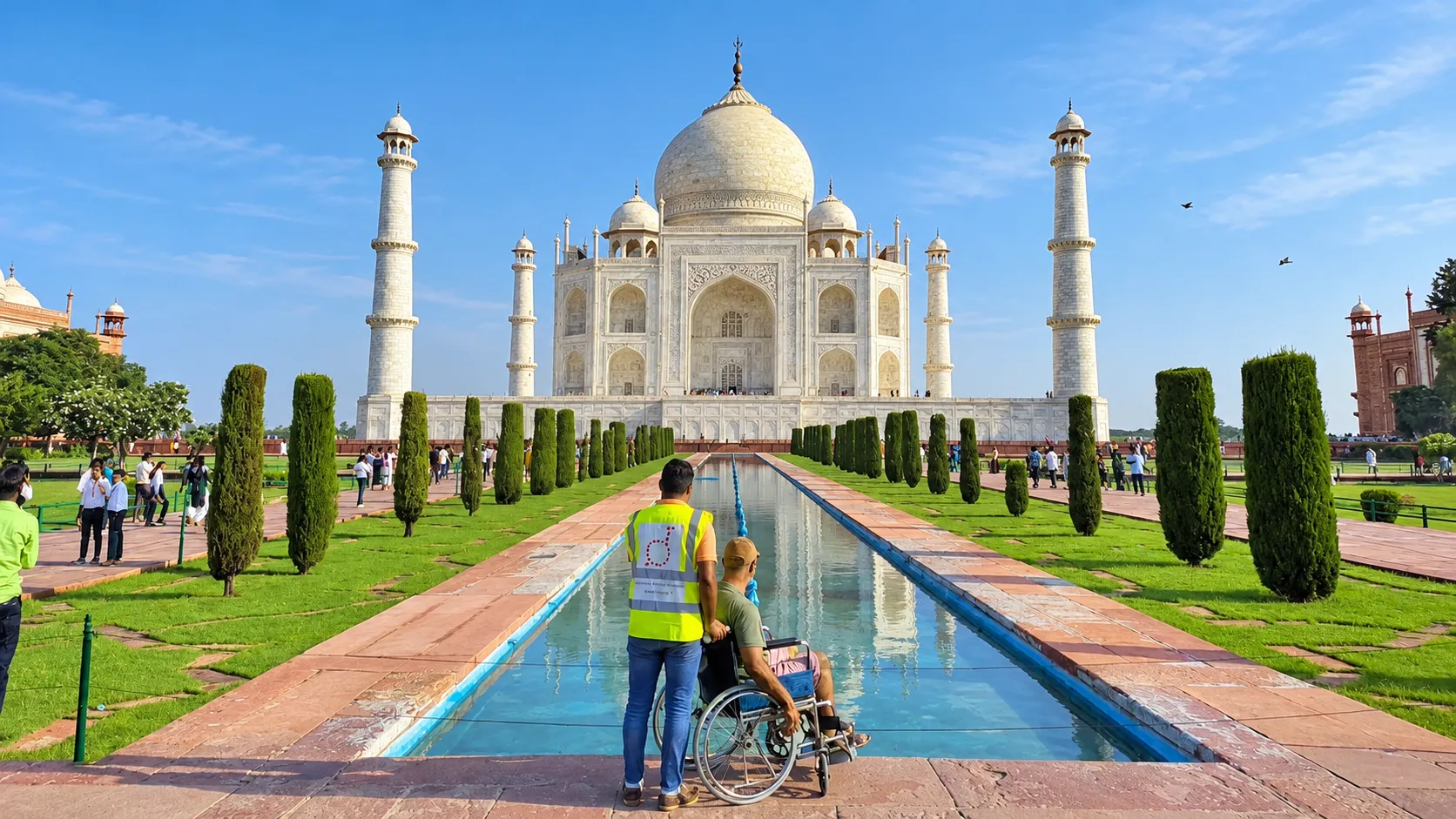
Accessibility in tourism sounds like one idea, but people use it for two. For some it means how easily a destination can be reached. For others it means whether travellers with disabilities and other access needs can actually enjoy a place once they arrive. Both matter, and they overlap more than you might expect.
This guide explains both meanings, the main types of access, the barriers that get in the way, examples of what works, and what the situation looks like in India.
In geography and transport planning, accessibility describes how easy it is to get somewhere: distance, cost, travel time, the frequency of flights, trains or roads, and how simple the entry process is. A destination with direct flights and a straightforward visa process is more accessible in this sense than a remote one. (Our guide to transportation in tourism covers that side in depth.)
Here accessibility is about inclusion. UN Tourism (then UNWTO) describes accessible tourism as a collaborative process among stakeholders that lets people with access requirements function independently through universally designed products, services and environments. Its recommendations cover the physical environment, transport, information and communications, and public facilities and services (UN Tourism). There is also an international standard, ISO 21902 (2021), which sets requirements and guidance for accessible tourism for people of all ages and abilities.
Access needs are broader than permanent disability. They include older travellers, parents with prams, people recovering from injury, and anyone who finds stairs, long distances or dense information difficult. The WHO estimates that about 1.3 billion people, roughly 16% of the world’s population, experience significant disability, and the number is growing as populations age (WHO key facts).
| Type | What it covers | Examples |
|---|---|---|
| Physical / mobility | Moving through spaces and vehicles | Step-free entrances, ramps, lifts, wide doors, accessible bathrooms, firm paths, accessible vehicles |
| Sensory | Seeing and hearing | Tactile maps, audio description, braille, captions, induction loops, sign language |
| Cognitive | Understanding and navigating | Clear signage, simple layouts, plain-language instructions, quiet spaces, predictable routines |
| Information and digital | Planning and booking | Accurate accessibility details, screen-reader-friendly websites and apps, alternative contact methods |
These categories overlap. A website that works with a screen reader serves blind travellers, and also anyone using a phone in bright sun.
Beaches. Soft sand stops standard wheelchairs. Solutions include firm pathways to the shore and beach wheelchairs with balloon tyres. Chennai’s Marina Beach is a useful Indian example. The city had marked World Disability Day each year with a temporary pathway and had procured beach wheelchairs, and a permanent 263-metre, 3-metre-wide pathway with handrails was inaugurated in November 2022. It shows both progress and how long it can take.
Parks and trails. Accessible trails typically have firm, level surfaces, gentle gradients, rest points and clear information about distance and difficulty, so visitors can choose for themselves.
Visitor centres and museums. Step-free access, seating, tactile or audio guides, large-print and simple-language materials, and trained staff.
Hotels and transport. Step-free rooms, roll-in showers, accessible vehicles and clear information at booking.
India has a legal and policy framework. The Accessible India Campaign (Sugamya Bharat Abhiyan) was launched on 3 December 2015 to promote universal accessibility, and its focus areas include public-centric buildings such as tourist places (DEPwD; PIB factsheet). The Rights of Persons with Disabilities Act, 2016 gave it legislative backing and came into force in April 2017, and it increased the number of specified disabilities from 7 to 21. The Ministry of Tourism’s Accessible Tourism Guidelines for India (2022) appear in the government’s list of sector-specific accessibility guidelines.
On the ground, results are uneven. New or recently upgraded facilities may be well equipped, while many older monuments, heritage buildings and small properties have steps, uneven stone and narrow entrances. For that reason, treat any single claim of accessibility as a starting point and verify the specifics for each stop. If you are exploring older properties, our Heritage Properties articles show the kinds of buildings involved, and the access questions to ask.
Entry rules and online tools are access factors too. India offers an online e-Visa for tourists, and applications go through the official government e-Visa website (India e-Visa information). A form that cannot be completed with assistive technology, or a booking system without clear accessibility information, is a barrier in the same way a flight of stairs is. Apply only through the official portal, and allow time if you need help with the process.
Because our journeys are planned around the traveller, access needs are best shared at the start, so get in touch with our team early.
UN Tourism’s position is that accessible tourism benefits everyone, not only people with disabilities or special needs (UN Tourism press release). The reasons are practical:
PILLAR 4: AMENITIES

Nobody books a trip because of the toilets. But a clean, easy-to-find toilet at a famous monument, working Wi-Fi at the hotel, or a pharmacy within reach when someone falls ill can quietly decide whether a trip is remembered as smooth or frustrating. Those supporting features are what the industry calls amenities in tourism.
This guide explains what amenities are, how they fit alongside attractions and access, how basic and luxury amenities differ, the main types, why they matter, and what a destination or tour has to get right.
Amenities are the supplementary facilities and services that make a visit comfortable and convenient. They are rarely the reason a traveller chooses a place, but they strongly shape how the visit goes. One academic study describes amenities as the supplementary facilities and services that support the visitor’s stay, and it lists examples such as internet access, banking and ATM facilities, medical assistance and postal services under related ancillary services.
Tourism planners often describe a destination through the 4As. The most common version uses attractions, accessibility, amenities and ancillary services. Versions differ: some replace ancillary services with accommodation, and longer models add activities and packages (4As in destination development). The logic is the same in each:
If a destination is strong on attractions but weak on amenities, visitors tend to come once and leave with mixed memories.
What counts as “basic” depends on the setting. A national park gate and a five-star hotel have different baselines, but the principle holds.
| Level | What it means | Examples |
|---|---|---|
| Basic (expected) | Features most visitors assume will be there. Their absence is noticed; their presence rarely is. | Clean restrooms, drinking water, seating and shade, signage, basic food and drink, first-aid or emergency contact |
| Enhancing | Features that improve comfort and convenience without being essential. | Wi-Fi, luggage storage, ATMs and currency exchange, information centre, parking, shuttle service |
| Luxury | Features that are distinctive, personalised or premium. | Spa and wellness, private dining, concierge or butler, curated experiences, private transfers, in-room extras |
An amenity moves between levels over time. Wi-Fi was once a premium feature and is now widely expected.
| Type | What good looks like | Common failure |
|---|---|---|
| Restrooms | Clean, well-signed, regularly maintained, with accessible options | Locked, dirty or hard to find |
| Wi-Fi and digital | Reliable connection, easy login, mobile-friendly information | Connection claims that do not match reality |
| Healthcare and emergency | Known nearest clinic or hospital, first aid on site, a clear emergency contact | No one knows where to go |
| Parking and local transport | Enough capacity, clear arrival and pick-up points | Congestion and confusion at peak times |
| Signage and wayfinding | Clear, consistent, in more than one language | Missing or outdated signs |
| Food and beverage | Safe, varied options at fair prices, including dietary choices | Single option, or far from the main route |
| ATMs and forex | Working ATMs and authorised currency exchange nearby | Machines out of cash or absent in remote areas |
| Information and guidance | Staffed visitor centre, trained guides, maps | Visitors left to guess |
| Rest and comfort | Seating, shade, drinking water | Long walks with nowhere to sit |
| Recreation and entertainment | Activities matched to the audience | Little to do beyond the main sight |
| In-room (accommodation) | Comfortable bed, hot water, power outlets, climate control | Features listed but not working |
Because the first rows are practical rather than glamorous, they are the ones most often overlooked.
Satisfaction. Travellers judge a trip on the whole experience, not only on the sights. A long queue with no shade, or a missed meal, can dominate the memory of an otherwise excellent visit.
Reviews. Practical failures are easy to describe and tend to appear in reviews, while smooth logistics rarely get a mention.
Repeat visits and recommendations. People return to, and recommend, places that were easy and comfortable.
Destination image. In one Thai study of tourism components, amenities and ancillary services had the strongest influence on destination image. That is a single regional study, so treat it as supporting evidence rather than a universal rule. But it shows why planners treat amenities as more than an afterthought.
India’s government invests in amenities directly. The Swadesh Darshan scheme was revamped as Swadesh Darshan 2.0 with the aim of developing sustainable and responsible destinations, and the PRASHAD scheme funds infrastructure and tourist amenities at pilgrimage destinations. For support on the ground, the Ministry runs a 24×7 multilingual tourist helpline on 1800111363, or the short code 1363, in 12 languages, and it has launched a certification programme for local tourist facilitators.
Conditions still vary widely. Major sites can be busy, with long queues and limited shade, while remote areas may have few ATMs or clinics. Plan accordingly. If you’re visiting a well-known destination, our guide to the top places to visit in Agra is a good starting point for what to expect at the larger sights. Dining is also an amenity that can become part of the experience, as the Virasat Heritage Restaurant in Jaipur shows.
PILLAR 5: ATTRACTIONS & ACTIVITIES
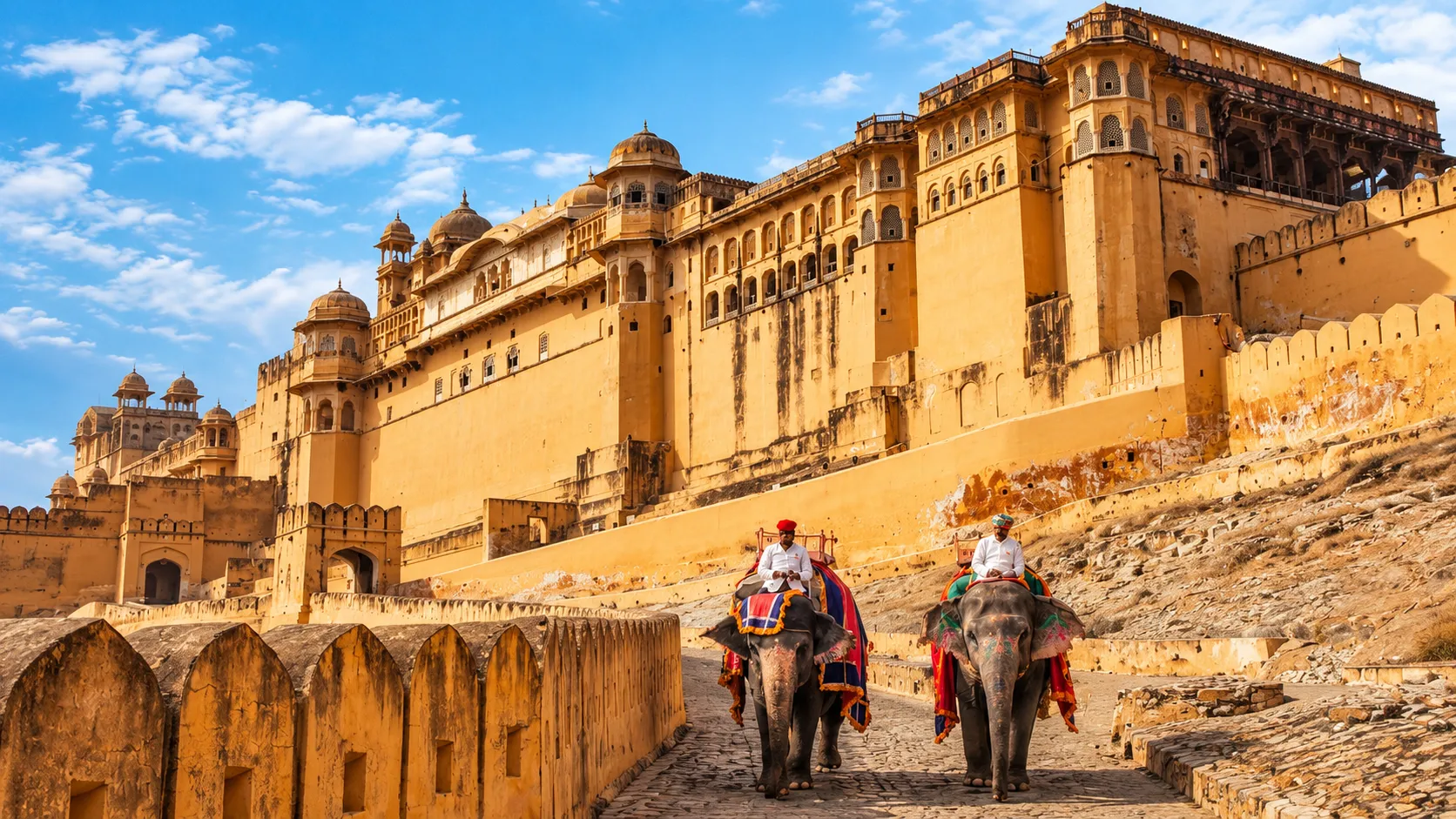
People rarely choose a destination first. They usually choose a reason to go: a monument they have seen in photographs, a forest known for tigers, a festival, a river at dawn. Those reasons are tourist attractions, and they are the main pull factor that turns an ordinary place into one people plan around.
This guide explains what tourist attractions are, the main types, how attractions differ from activities, India examples for each, and how attractions grow into destinations, and the pressures that come with it.
A tourist attraction is a place, feature or event that people travel to see or experience. It can be a landscape, a building, a performance, a ritual or a festival. In tourism planning, attractions are usually treated as the first of the 4As (attractions, accessibility, amenities and ancillary services) because without a reason to visit, the other pieces have nothing to support.
The main types are commonly grouped like this. Some sources give three (natural, cultural and man-made) and others add events as a fourth, so the exact grouping varies.
India examples include the Himalayas, the Thar desert dunes near Jaisalmer, Kerala’s backwaters, and wildlife areas such as Ranthambhore. UNESCO also recognises natural properties in India, including the Sundarbans mangrove forest, shared with Bangladesh, and the Western Ghats, a serial site spanning four states. Khangchendzonga National Park in Sikkim is India’s only mixed site, recognised for both natural and cultural value (summary). If you want to see how wildlife can be added to a classic city route, our Golden Triangle with Ranthambhore journey is one example.
These reflect human history, art and traditions: monuments, forts, palaces, temples, museums, old quarters and living traditions. UNESCO’s World Heritage List groups properties as cultural, natural or mixed.
India is rich here. As of July 2026, the count stands at 45 sites: 37 cultural, 7 natural and 1 mixed, after the Ancient Buddhist Site of Sarnath was inscribed at the World Heritage Committee’s 48th session in Busan. Famous examples include the Taj Mahal and Agra Fort, and our guides to top places to visit in Agra and the Sarnath UNESCO World Heritage Site cover two of them in detail.
These are built mainly for visitors or leisure: theme parks, film studios, observation decks, aquariums, shopping districts, modern landmarks and sports venues. Examples in India include Ramoji Film City in Hyderabad and the Statue of Unity in Gujarat. They differ from heritage attractions because their purpose is modern recreation or spectacle, though the line blurs when a purpose-built landmark becomes culturally significant.
Temples, mosques, churches, gurdwaras, monasteries and pilgrimage routes draw both devotees and curious visitors. Varanasi, Amritsar and Sarnath are well known, and some journeys are designed around a spiritual theme, such as our Ramayana & Ganges Sacred Journey. These places are living spaces, so dress codes, photography rules and quiet hours matter.
Temporary attractions can draw large crowds on a fixed date: festivals, fairs, music and literature events, and religious gatherings. India’s calendar includes Holi, Diwali, Ganesh Chaturthi and the Kumbh Mela, which UNESCO has recognised on its intangible cultural heritage list. Because dates and crowds change, planning ahead matters; see our guide to Ganesh Chaturthi in India for an example.
| Type | What draws people | India example |
|---|---|---|
| Natural | Landscape, wildlife, scenery | Sundarbans, Western Ghats, Ranthambhore |
| Cultural / heritage | History, art, architecture | Taj Mahal, Agra Fort, Sarnath |
| Man-made / entertainment | Recreation, spectacle, modern landmarks | Ramoji Film City, Statue of Unity |
| Religious / spiritual | Faith, ritual, pilgrimage | Varanasi, Amritsar |
| Events / festivals | A date-bound occasion | Holi, Diwali, Kumbh Mela |
An attraction is the place or occasion. An activity is what you do there or around it. The two overlap, but separating them helps in planning.
| Attraction | Activity | |
|---|---|---|
| Nature | A site or event | A participatory experience |
| Sightseeing example | Visiting a fort | Walking its ramparts with a guide |
| Food example | A market | A cooking class |
| Wildlife example | A national park | A jeep safari |
| Craft example | A heritage village | A hands-on craft workshop |
A visit to a monument is sightseeing. A cooking class, safari or craft workshop adds participation, which many travellers now look for. The strongest itineraries combine both: a headline attraction, plus an activity that makes it personal.
One attraction does not make a destination. A destination forms when an attraction is supported by the rest of the system: ways to reach it, places to stay and eat, information, and enough other things to see or do to justify a longer visit. Agra is a good example. The Taj Mahal is the anchor, and the town’s hotels, restaurants, transport and secondary sights grow around that pull.
The same logic applies in reverse. A remarkable attraction with poor access or few amenities tends to attract short, rushed visits rather than stays. That is why planners treat the attraction and its surroundings together.
Success creates pressure. Heritage and natural sites have limits, and crowds can damage fabric, wildlife and the visitor experience. The concept used here is carrying capacity, described in the heritage literature as the number of people who can visit without causing irreversible damage or degrading the quality of the visitor’s experience.
Managing it is possible but takes sustained effort. One study of Spain’s Alhambra notes that the site has been applying capacity-management measures for 30 years. Common tools include timed tickets, daily caps, off-peak incentives, zoned access and visitor education.
As a traveller, you can help:
Operators turn a list of attractions into a journey. Typical decisions include:
Our Royal Rajasthan tours and Golden Triangle tours show how forts, palaces, cities and wildlife can be arranged into a route.
The five pillars of tourism are accommodation, transportation, accessibility, amenities and attractions (or activities). Together they shape how a trip feels from start to finish: where you stay, how you get there and around, how easy the place is to use, the comforts that support the visit, and the sights that give you a reason to go.
Hotels, resorts, boutique hotels, hostels, aparthotels and serviced apartments, B&Bs and guesthouses, vacation rentals, and camping or glamping. In India, add heritage hotels, havelis, homestays and eco-lodges.
A small, individually designed hotel with personal service and a distinct character. There is no fixed definition, but fewer rooms and a design focus are typical.
A hostel sells beds in shared rooms, plus shared kitchens and lounges, at lower prices. A hotel sells private rooms with more services. Many hostels now also offer private rooms.
A hotel in a palace, fort, haveli, hunting lodge or residence built before 1950, which may be classified by the Ministry of Tourism as Heritage Basic, Classic or Grand.
It connects visitors with destinations and attractions, sets how much time a trip takes, and shapes the cost and comfort of the journey. It also determines which places can develop as tourist destinations.
It depends on the route. Domestic flights suit long distances, trains suit city-to-city corridors and scenic journeys, and private road transfers suit multi-stop itineraries and small towns. Many trips combine all three.
Access is usually grouped into physical (mobility), sensory (vision and hearing), cognitive, and information or digital access. Some frameworks also include economic access.
It is improving but uneven. Policy and some facilities have advanced, but many historic sites and smaller properties still have steps and uneven surfaces. Verify each hotel, site and transfer in advance.
The supplementary facilities and services that make a visit comfortable and convenient, such as restrooms, Wi-Fi, food, signage, healthcare and currency access.
Attractions are the reasons people visit, such as monuments, landscapes and festivals. Amenities support the visit but are not usually the reason for it.
Natural, cultural (or heritage) and man-made are the most common three. Some classifications add events and festivals or religious attractions as separate categories.
An attraction is a place or event people visit. An activity is what they do there, such as a safari, cooking class or craft workshop.

Chat on WhatsApp