
5 Pillars of Tourism: Complete Guide with India Examples
The 5 Pillars of Tourism: A Complete Guide with India Examples Updated July 2026 — curated by the Idyllic India...
Read More →
Updated July 2026 — curated by the Idyllic India Tours travel team
Ganesh Chaturthi is a ten-to-eleven-day Hindu festival celebrating the birth of Lord Ganesha, the elephant-headed god of new beginnings and remover of obstacles. It’s observed across India every year in late August or September, but it reaches its biggest, most public scale in Maharashtra — especially Mumbai and Pune — with large community celebrations also drawing visitors to Goa, Hyderabad, and Bengaluru. For travelers, it’s one of the few Indian festivals where the street is the show: giant hand-painted idols, all-night drumming processions, and a final immersion day that turns entire cities into one continuous celebration.
This guide covers what the festival actually involves, when it falls, where to experience it, and how to plan a respectful, well-timed trip around it — written to stay useful whichever year you’re reading it in.
Also known as | Ganeshotsav, Vinayaka Chaturthi (South India), Chavath/Chovoth (Goa) |
Honours | Lord Ganesha, son of Shiva and Parvati |
Typical timing | Bhadrapada month, Hindu lunisolar calendar → late August–September (Gregorian) |
Duration | 10–11 days, ending on Anant Chaturdashi |
Main home ritual | Idol installation (Pran Pratishtha) and daily aarti |
Main public ritual | Ganpati Visarjan — immersion processions on the final day |
Best cities for travelers | Mumbai, Pune, Goa, Hyderabad, Bengaluru |
Good for first-timers? | Yes — most pandals are open to respectful visitors of any background |
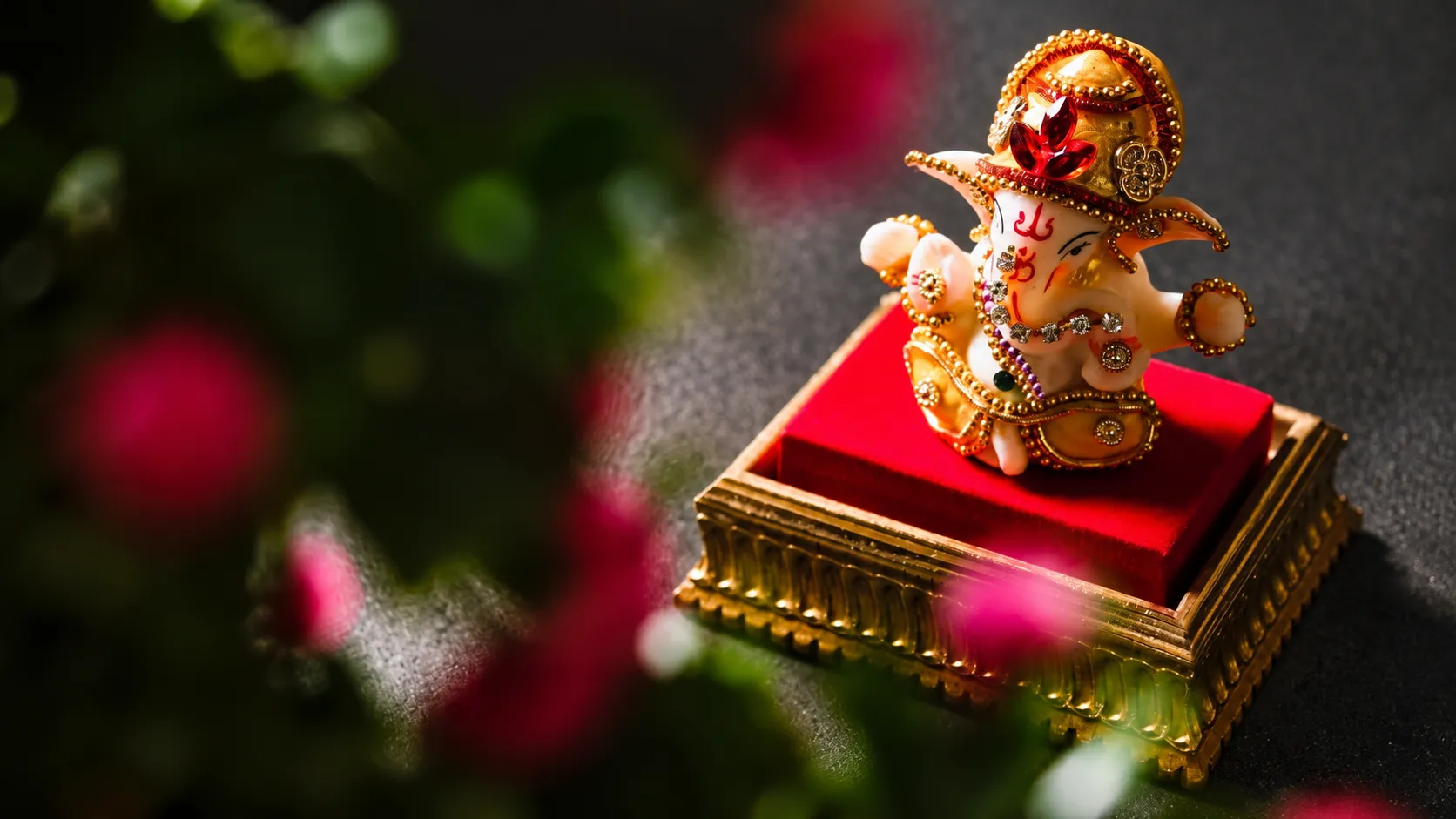
Ganesh Chaturthi marks the birth of Ganesha — the god with an elephant’s head, widely worshipped across India as the deity of wisdom, new beginnings, and the remover of obstacles (Vighnaharta). The most common version of his origin story says his mother, Parvati, shaped him from turmeric or sandalwood paste to guard her privacy while she bathed. When her husband, Shiva, was refused entry by the boy he didn’t recognise, he beheaded him in anger. To ease Parvati’s grief, Shiva promised to revive the child with the head of the first living creature he came across — an elephant. That story is why almost every Ganesha idol, painting, or temple carving shows the same unmistakable silhouette.
Because Ganesha is invoked at the start of any new venture — a wedding, a business, a journey, an exam — his festival carries a similarly optimistic, forward-looking energy. It isn’t solemn in the way some other Hindu festivals are; it’s loud, communal, and genuinely joyful.
Ganesh Chaturthi falls on the fourth day (Chaturthi) of the waxing moon in the Hindu month of Bhadrapada, which places it in the Gregorian calendar somewhere in late August or September, shifting by a couple of weeks each year because the Hindu calendar is lunisolar rather than fixed. The festival itself — known as Ganeshotsav — runs for 10 to 11 days from that first day, ending on Anant Chaturdashi, the day of the grand immersion.
Ganesh worship in India is ancient, but for most of its history it was a private, home-based ritual — a family would install a small idol, worship it for a few days, and immerse it quietly. The large-scale public version most visitors picture today — giant idols, neighbourhood pandals, processions — is younger and has a specific origin: in 1893, the freedom-movement leader Bal Gangadhar “Lokmanya” Tilak began organising community Ganpati celebrations in Pune and Mumbai. Public political gatherings were restricted under British rule at the time, but religious ones weren’t, so Tilak used the festival to bring people together across caste and class lines and build a shared sense of identity during the independence movement. That community format — the sarvajanik (public) Ganpati mandal — is what still defines the festival’s biggest celebrations in Maharashtra today, more than a century later.
Ganesh Chaturthi is celebrated all over India, but five cities stand out for the scale, accessibility, and character of their celebrations.
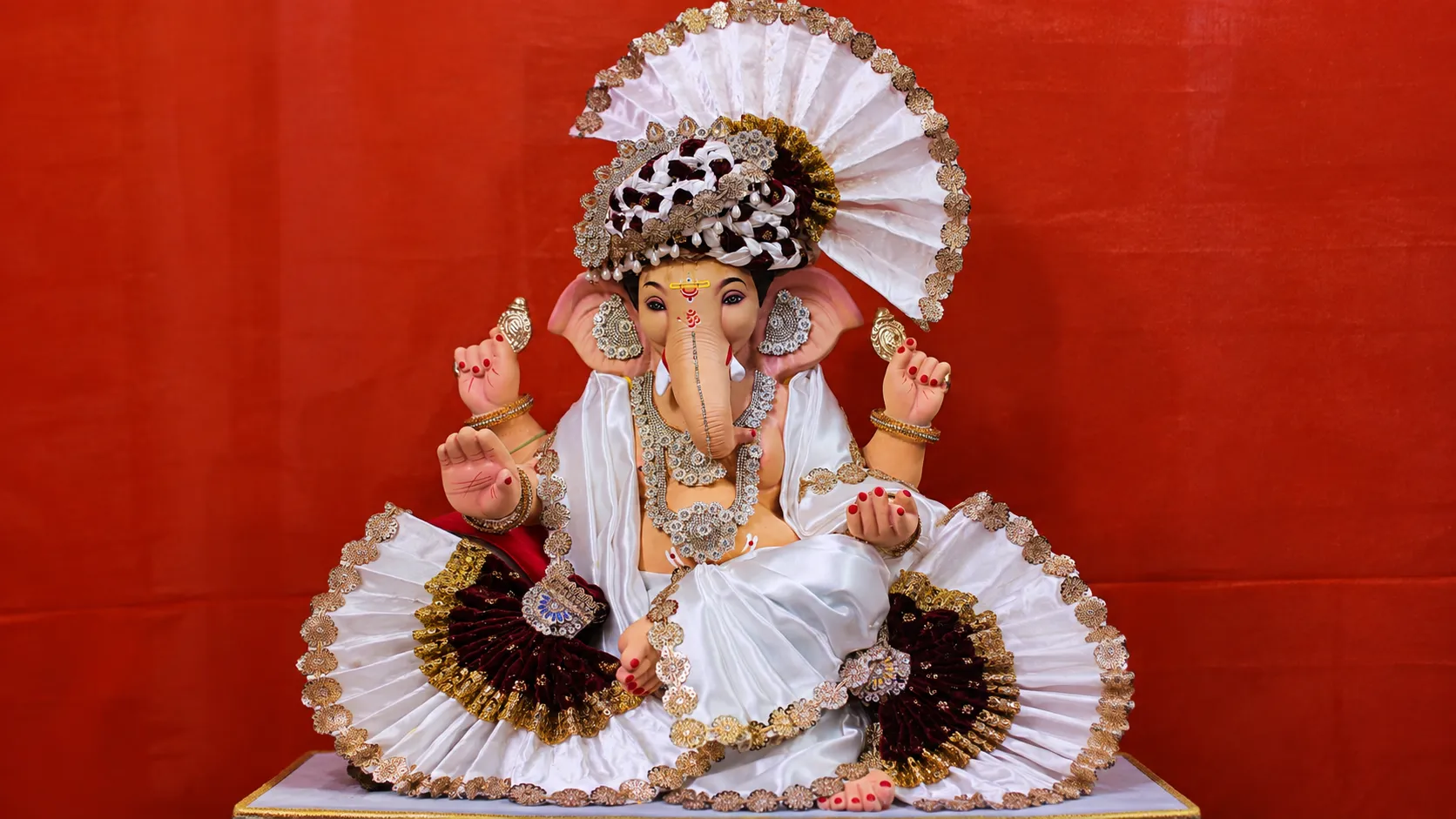
Mumbai is where the festival reaches its most intense public form. Landmark pandals like Lalbaugcha Raja (established in 1934 and among the most visited in the country), Ganesh Galli, Khetwadicha Ganraj, and Andhericha Raja draw enormous, hours-long queues, alongside the ever-popular Siddhivinayak Temple. Immersions happen at Girgaon Chowpatty and Juhu Beach, with Anant Chaturdashi drawing the largest crowds of the entire festival. If it’s your first time, try to do two visits rather than one: an early weekday morning at a major pandal for a calmer darshan, and a return on the final evening for the procession itself, purely as a spectator.
Pune is where Tilak launched the public festival in 1893, and it still carries that heritage. The Dagdusheth Halwai Ganpati Temple is a major devotional draw, while the Kasba Ganpati and Tambdi Jogeshwari pandals hold special status as the city’s traditional “first” installations. Pune’s celebrations lean more into classical music, dance, and cultural competitions than Mumbai’s raw scale, making it a good pick for travelers with a cultural or heritage interest.
In Goa, the festival is known locally as Chavath (or Chovoth) and is markedly more home- and family-centred than Mumbai’s public spectacle, reflecting an older tradition of household worship. Celebrations are especially active in Panjim, Mapusa, and Marcela, with immersions at Miramar Beach and village tanks. It’s an easy, low-intensity way to see the festival woven into everyday life, and pairs naturally with a Goa beach holiday. If that relaxed pace appeals, our Goa Unveiled journey is built around exactly this kind of trip.
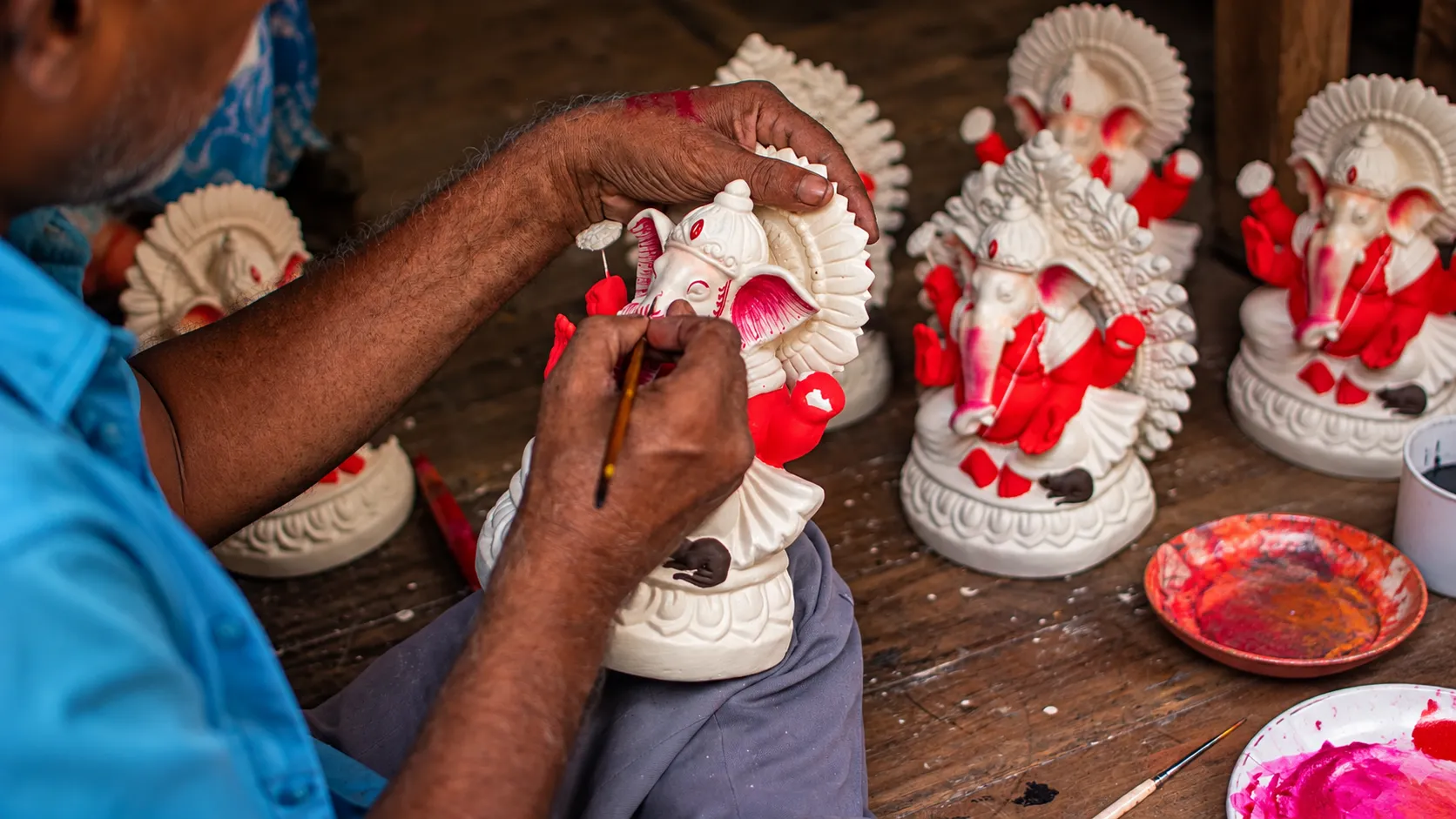
Hyderabad’s celebrations are enormous in number — tens of thousands of pandals across the city — with a strong artisan tradition centred on the Dhoolpet neighbourhood, where idol-makers work for months ahead of the festival. Pandal designs here often draw on Mughal and Deccan architectural motifs, giving Hyderabad’s celebrations a distinct visual character. The immersion procession into Hussain Sagar Lake is one of the longest processional routes in the country.
Bengaluru’s celebrations are smaller and more neighbourhood-based than Mumbai, Pune, or Hyderabad, but have grown steadily, with the Basavangudi and Sangam areas as established hubs. It’s a good option if you’re already in the city for other reasons and want an accessible, manageable introduction to the festival rather than its most overwhelming version.
Walk through how the festival unfolds day by day, then find the Indian city that fits how you want to experience it.
Traditional Ganesha idols were made from clay (shadu mitti), which dissolves naturally and harmlessly in water. Through the mid-to-late twentieth century, Plaster of Paris (PoP) idols became common because they hold finer detail and brighter colours — but PoP doesn’t dissolve safely, and decades of PoP idols and chemical paints going into urban lakes, rivers, and coastlines caused real environmental damage.
That’s been changing. Since central guidelines in 2020 encouraging biodegradable materials, an increasing number of Indian cities have moved to restrict or ban PoP, thermocol, and chemical-paint idols outright, promoting natural clay or terracotta idols and directing immersions to designated tanks rather than open water bodies. For travelers, the practical upshot is that the visual character of the festival is gradually shifting toward smaller, more naturally finished idols in many cities, and that immersion access at some lakes or beaches may be managed through designated points or timings rather than fully open access — worth factoring into your plans if you’re heading out specifically to watch a visarjan.
Ready to build a trip around it? Explore our India journeys or get in touch for a custom Ganesh Chaturthi itinerary — we’ll plan the festival experience, hotels, and transfers around your dates.
Ganesh Chaturthi celebrates the birth of Ganesha, the elephant-headed Hindu god of new beginnings and remover of obstacles. Families and communities install an idol, worship it for one and a half to eleven days depending on tradition, and end the festival by immersing it in water.
It falls on the fourth day of the waxing moon in the Hindu month of Bhadrapada, which lands somewhere in late August or September each year on the Gregorian calendar. The exact date shifts annually because the Hindu calendar is lunisolar.
The public festival, Ganeshotsav, typically runs 10 to 11 days, though individual households often keep their idol for a shorter period — commonly one and a half, three, five, or seven days — before their own immersion.
Mumbai offers the biggest, most iconic version of the festival. Goa offers a gentler, more intimate alternative if you’d rather experience it alongside a beach holiday. Hyderabad and Pune are strong middle-ground options for distinctive regional character without Mumbai’s peak crowd density.
Yes. Public pandals are, by design, open to the community, and visitors of any background are generally welcome as long as they’re respectful — dressing modestly, removing shoes where expected, and asking before photographing individuals.
Visarjan is the ritual immersion of the Ganesha idol in the sea, a river, a lake, or a designated tank, marking the end of the festival. The final and largest round of immersions happens on Anant Chaturdashi, accompanied by processions, drumming, and dancing.
Chat on WhatsApp