Independence Day in India: Freedom, Heritage, and Pride
Updated July 2026 — curated by the Idyllic India Tours travel team
India celebrates its 80th Independence Day on Saturday, 15 August 2026, marking 79 completed years since freedom from British rule in 1947. This year’s celebrations carry extra weight: the official theme is “Yuva Shakti for Viksit Bharat@2047,” spotlighting India’s youth on the road to a developed nation by 2047, and the day also marks 150 years of Vande Mataram, India’s national song. The main ceremony unfolds at the Red Fort in Delhi, where the Prime Minister hoists the National Flag and addresses the nation — a tradition unbroken since 1947.
For travelers, Independence Day is more than a date on the calendar. It’s a doorway into the places where India’s freedom was actually won — forts, ashrams, prisons, and gardens that still carry the weight of that struggle. This guide covers the history, the 2026 celebrations, and the heritage trail worth building into your India journey.
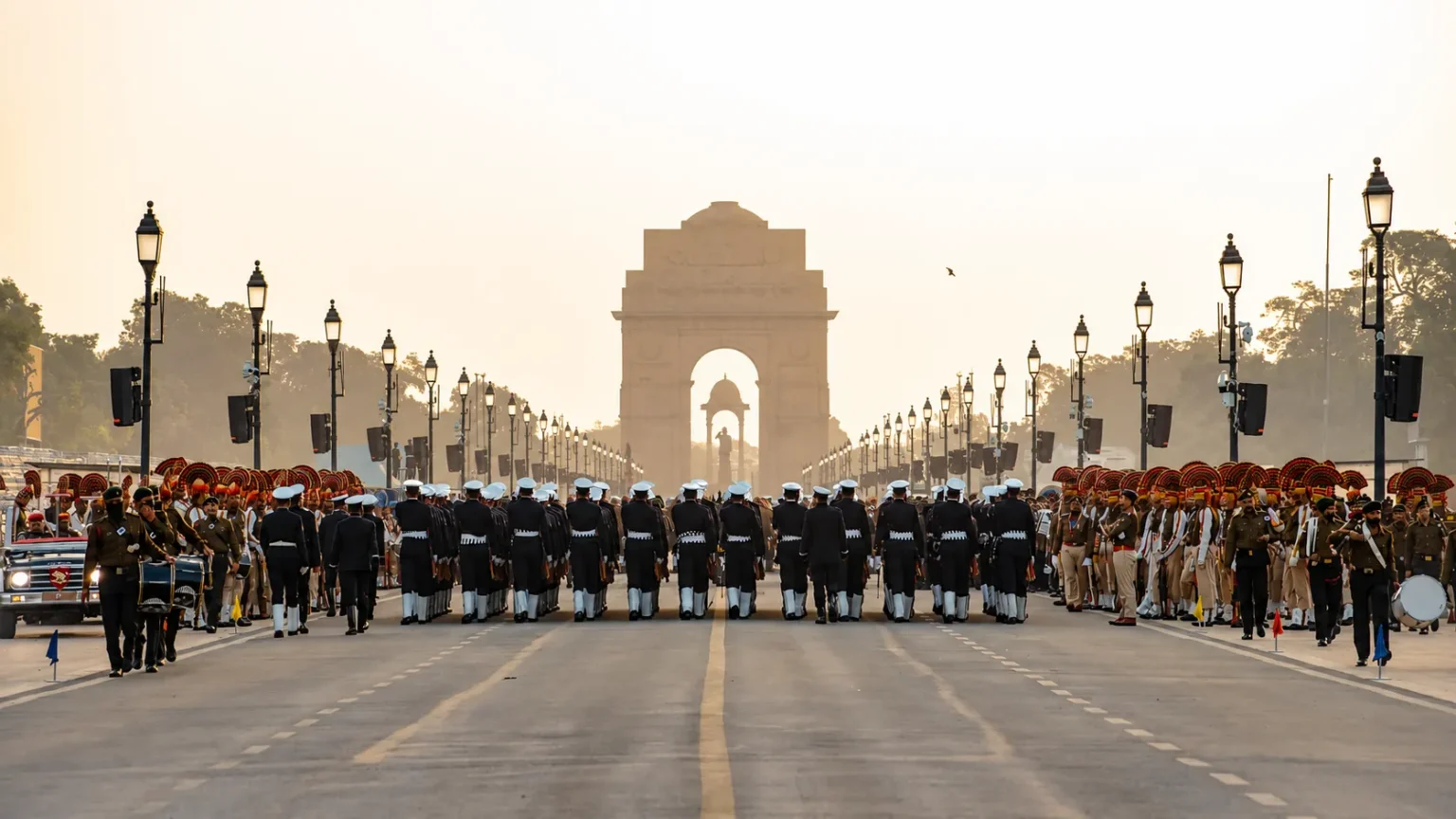
At a Glance: India's 80th Independence Day 2026
Detail | 2026 Fact |
Date | Saturday, 15 August 2026 |
Which Independence Day | 80th (79 years since 15 August 1947) |
Official theme | “Yuva Shakti for Viksit Bharat@2047” |
Special commemoration | 150 years of Vande Mataram |
Main national ceremony | Red Fort, Delhi — flag hoisting & PM’s address |
National campaign | Har Ghar Tiranga, 9–17 August 2026 |
Public holiday | Yes, nationwide |
Weather in North India | Monsoon — warm, humid, occasional rain |
The Story Behind India's Independence Day
India’s Independence Day marks the moment British colonial rule ended, at midnight on 14–15 August 1947, following the Indian Independence Act and the Mountbatten Plan. It closed nearly two centuries of British control and almost a century of organized resistance — from the 1857 uprising through Mahatma Gandhi’s non-violent Satyagraha movement, Subhas Chandra Bose’s Indian National Army, and the Quit India Movement of 1942.
Jawaharlal Nehru, India’s first Prime Minister, delivered the country’s first Independence Day address from the Red Fort’s ramparts, and every Prime Minister since has continued the tradition from the same spot. The freedom struggle itself is written into dozens of towns and cities across the country — which is what makes this holiday genuinely worth traveling for, not just marking on a calendar.
How India Celebrates: 2026 Highlights
Independence Day is celebrated nationwide with flag hoisting ceremonies, patriotic songs, cultural programs, and tributes to freedom fighters, but a few things make 2026 distinct:
- Har Ghar Tiranga (9–17 August 2026): A nationwide movement encouraging every household to fly the national flag, themed “Spirit of Vande Mataram” this year. Expect tricolour flags on homes, shops, and vehicles across every city you visit during this window, plus community Tiranga Yatras and public singalongs of Vande Mataram.
- The Red Fort ceremony: The Prime Minister hoists the flag, a 21-gun salute is fired, and the address is followed by cultural performances involving the NCC and armed forces. It’s a ticketed, high-security event — not something visitors can walk up to, but the atmosphere around Old Delhi that morning is unmistakable.
- 150 years of Vande Mataram: Museums, cultural institutions, and heritage sites across the country are running special exhibitions and programs through the year to mark the anniversary — worth checking local listings if you’re visiting a major city around mid-August.
- Everyday India: Kite flying (especially in Delhi and Punjab), tricolour sweets, flag-themed decorations, and school and neighbourhood cultural programs — the kind of texture that makes visiting during this week memorable rather than just informative.
7 Places That Tell the Story of India's Freedom
Beyond the flag-hoisting ceremonies, India’s freedom struggle is written into its geography. These are the places that carry that history most vividly — and several pair naturally with an Idyllic India Tours journey.
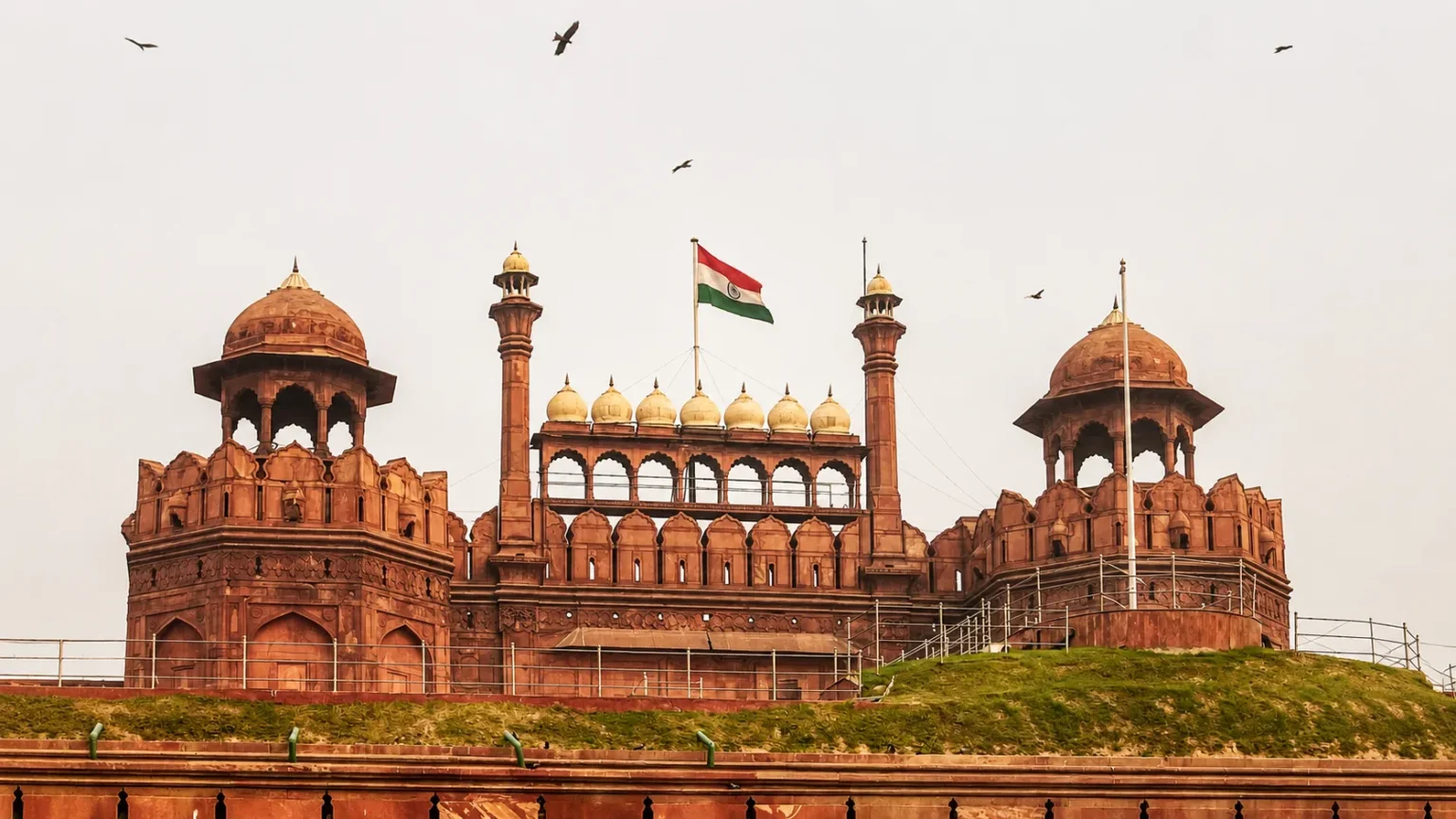
1. Red Fort, Delhi
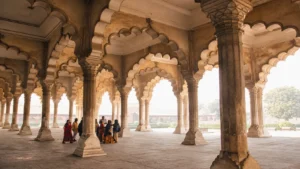
The 17th-century Mughal fort where Nehru raised the flag for the first time in 1947, and where every Independence Day address has been delivered since. Walking its ramparts and the Diwan-i-Aam any other day of the year still puts you exactly where that history happened.
Ties in with: Old Delhi sightseeing is a cornerstone of our Delhi Delight Tour and every Golden Triangle itinerary, all of which begin in the capital.
2. Sabarmati Ashram, Ahmedabad
Gandhi’s home on the banks of the Sabarmati River from 1917 to 1930, and the launch point of the 1930 Salt March. The ashram today is a quiet, deeply moving museum of his life, writing desk, and personal belongings — one of the most understated but powerful sites on this list.
3. Jallianwala Bagh, Amritsar
Site of the 1919 massacre that hardened Indian public opinion against British rule for good. The bullet-marked walls and the Martyrs’ Well remain, and the memorial garden today is a solemn, essential stop for understanding the darker chapters of the struggle.
4. Cellular Jail, Port Blair (Andaman Islands)
Known as Kala Pani, this colonial prison held freedom fighters in brutal isolation across the Bay of Bengal. Today it’s a national memorial with a museum and an evening light-and-sound show that narrates the independence movement — a striking way to pair heritage with an Andaman beach escape.
5. Aga Khan Palace, Pune
Gandhi, his wife Kasturba, and his secretary Mahadev Desai were interned here during the 1942 Quit India Movement. Both Kasturba and Mahadev Desai died in captivity, and their memorials remain on the grounds — making it one of the most personally poignant sites tied to Gandhi’s story.
6. Gandhi Smriti & Raj Ghat, Delhi
Gandhi Smriti marks the spot where Gandhi was assassinated in January 1948; Raj Ghat, on the Yamuna’s banks nearby, is his memorial and cremation site. Both are quiet, reflective counterpoints to Delhi’s more crowded monuments.
Ties in with: Easily added to a Delhi Delight Tour or the Delhi leg of any Golden Triangle itinerary.
7. Jhansi Fort, Jhansi
The stronghold of Rani Lakshmibai, one of the fiercest leaders of the 1857 uprising against the East India Company. Her fort, and the legend of her last stand, made her one of the enduring symbols of Indian resistance decades before 1947.
(Ahmedabad, Amritsar, the Andamans, Pune, and Jhansi aren’t on our standard itineraries — but as with every Idyllic India Tours journey, they can be woven into a custom-built trip. Just tell us which chapters of the story matter most to you.)
Planning an Independence Day Visit: What Travelers Should Know
- The Red Fort ceremony itself is not open to the general public — it’s an invite-only, high-security event, and roads around Old Delhi are closed for hours that morning. If you’re in Delhi on 15 August, plan sightseeing elsewhere in the city and enjoy the atmosphere rather than the ceremony itself.
- August is monsoon season across North India — expect warm, humid days with intermittent rain in Delhi, Agra, and Jaipur. Pack light layers and a compact umbrella; the upside is lush landscapes and fewer crowds at major monuments.
- Hotels and flights around 13–17 August book up, especially in Delhi, thanks to Har Ghar Tiranga events and domestic long-weekend travel. Booking your stay a few weeks ahead is worth it.
- Flag etiquette matters: if you’re gifted or buy a Tiranga during your visit, India’s Flag Code has specific rules on display and disposal — your guide can walk you through it if you’d like to join the Har Ghar Tiranga spirit respectfully.
Plan It With Idyllic India Tours
Independence Day is a genuinely rewarding time to see India with fresh eyes — not just the monuments, but the pride and history behind them. Whether you want to combine the Red Fort and Old Delhi with a full Golden Triangle circuit, or build a dedicated heritage trail through Amritsar, Ahmedabad, and beyond, our specialists design each journey around what matters most to you — private guides, curated stays, and a pace that’s entirely yours.
Ready to build your India journey around this year’s Independence Day? Get in touch with Idyllic India Tours to start planning.
Frequently Asked Questions