
5 Pillars of Tourism: Complete Guide with India Examples
The 5 Pillars of Tourism: A Complete Guide with India Examples Updated July 2026 — curated by the Idyllic India...
Read More →
Updated July 2026 — curated by the Idyllic India Tours travel team
Diwali, the radiant heart of a five-day celebration that begins with Dhanteras and closes with Bhai Dooj. Across the country, homes, temples, and entire riverfronts glow with millions of oil lamps — and for travellers, few times of year offer a more spectacular introduction to India’s living traditions.
Planning a wider trip? A Diwali celebration pairs beautifully with our Golden Triangle with Varanasi journey, timed to carry you from Lakshmi Puja evenings in Delhi, Agra, and Jaipur through to the ghats of Varanasi for Dev Deepavali, or with our Royal Rajasthan Tours for the festival’s most regal, palace-lit side.
Deepawali, popularly known as Diwali, is the festival of lights and one of the most significant and widely celebrated festivals in India. The word ‘Deepawali’ originates from the Sanskrit language, meaning a row of lighted lamps. It symbolizes the spiritual victory of light over darkness, good over evil, and knowledge over ignorance. Celebrated during the Hindu lunar month of Kartika, it usually falls between mid-October and mid-November, bringing people together in an atmosphere of joy, unity, and renewal.
The historical and mythological roots of Deepawali are diverse. The most prominent legend associated with the festival is the return of Lord Rama, along with his wife Sita and brother Lakshmana, to the kingdom of Ayodhya. They returned after completing fourteen years of exile and defeating the demon king Ravana. To celebrate their homecoming, the residents of Ayodhya illuminated the entire city by lighting earthen lamps, a tradition that continues to this day. In other parts of India, Diwali marks the day Lord Krishna defeated the demon Narakasura, or the celebration of Goddess Lakshmi’s birth during the churning of the cosmic ocean.
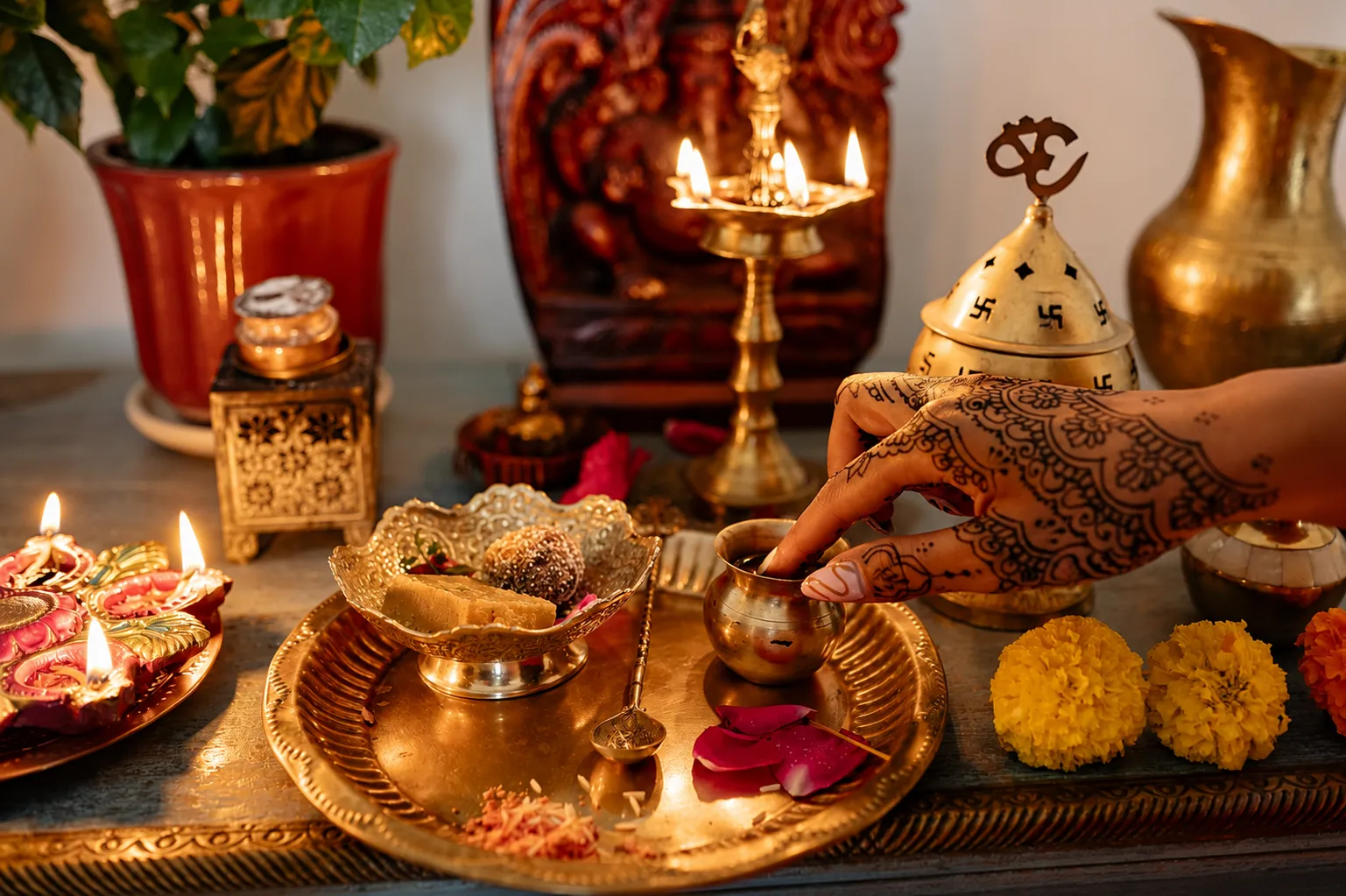
Preparation for the festival begins weeks in advance. People clean, renovate, and decorate their houses and workplaces to welcome Goddess Lakshmi, the deity of wealth and prosperity. Front yards and entrances are adorned with beautiful, colourful rangoli patterns made from coloured powders, rice, or flower petals. On the main night of the festival, families dress in new clothes and gather for the Lakshmi Puja. Clay lamps, candles, and decorative LED lights illuminate every corner of houses, turning the dark night into a spectacular sea of light.
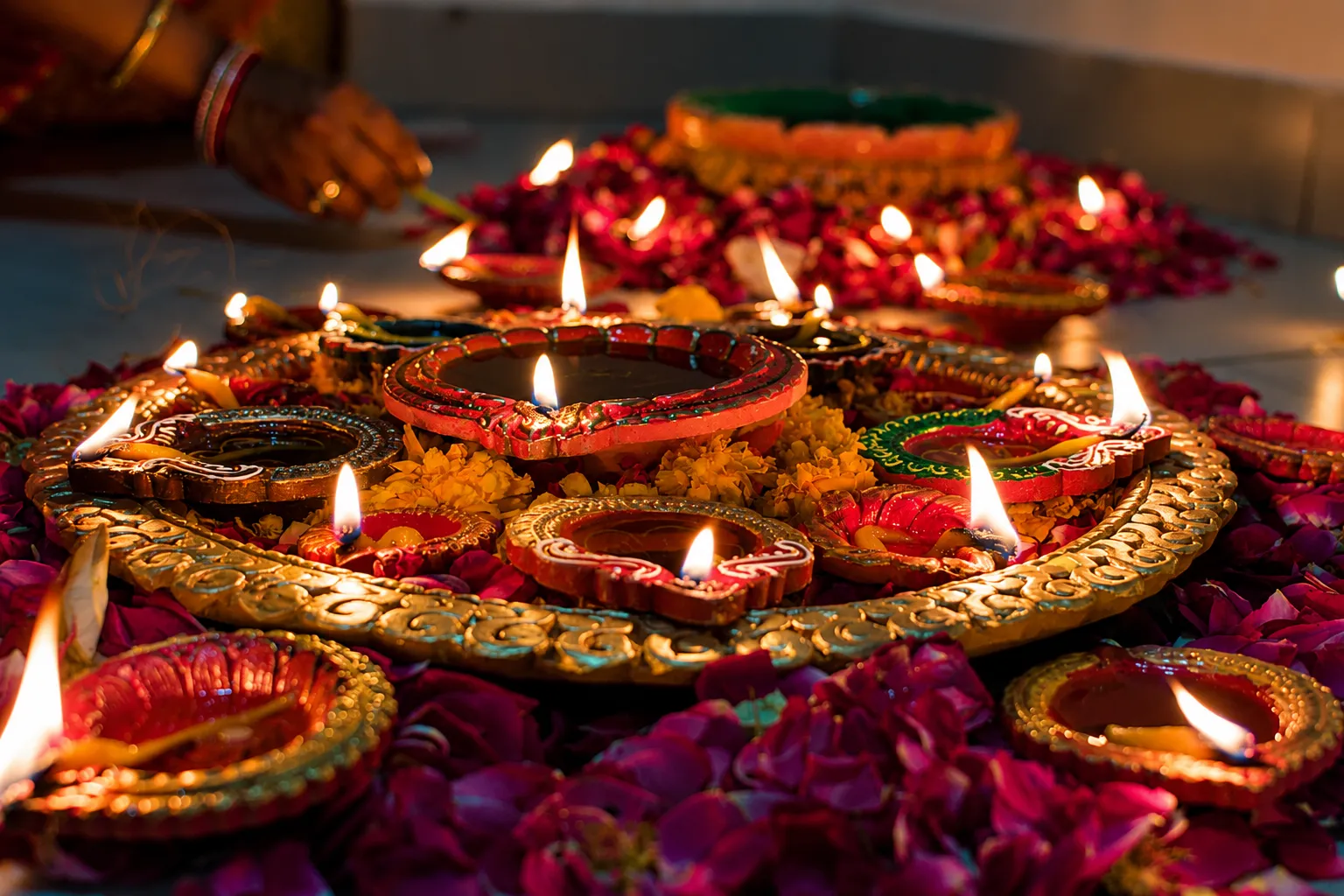
Deepawali is also a time for deep social bonding and community harmony. People visit relatives, friends, and neighbours to exchange heartfelt wishes, sweets, and thoughtful gifts. It is a period for forgiveness, letting go of past grievances, and starting fresh relationships. While the traditional bursting of firecrackers remains a popular ritual for children, modern celebrations increasingly focus on eco-friendly practices to protect the environment and reduce air and noise pollution.
Ultimately, Deepawali carries a universal message of hope and inner transformation. It encourages individuals to dispel the darkness of ignorance within themselves and kindle the light of compassion, wisdom, and love. The festival fills hearts with optimism and leaves behind lasting memories of togetherness.
In December 2025, that universal message received a formal global recognition: Deepavali was inscribed on UNESCO’s Representative List of the Intangible Cultural Heritage of Humanity, becoming the 16th Indian tradition to receive the honour — a fitting note as the festival heads into its 2026 celebration.
Day | Category | Key Highlight | Best For |
Dhanteras — Fri, 6 Nov | Pre-festival ritual | Worship of Dhanvantari and Lakshmi; buying gold, silver, new utensils | Shoppers, ritual-minded travellers |
Choti Diwali — Sat, 7 Nov | Pre-festival ritual | Naraka Chaturdashi; pre-dawn oil bath; first diyas lit | Early arrivals, cultural immersion |
Diwali / Lakshmi Puja — Sun, 8 Nov | Main celebration | Puja at dusk, rangoli, fireworks, family feasts | Every traveller, photography |
Govardhan Puja — Mon, 9 Nov | Post-festival ritual | Annakut — mountains of food offered in temples | Temple visits, culinary curiosity |
Bhai Dooj — Tue, 10 Nov | Closing ritual | Sibling bond; tilak ceremony | Family-style cultural experiences |
Dev Deepavali (Varanasi) — Tue, 24 Nov | Regional spectacle | Millions of diyas across 84 ghats, 15 days after Diwali | Spiritual seekers, photographers |
Regional panchang calculations can shift Choti Diwali or Bhai Dooj by a day depending on local tithi timing — worth confirming with your on-ground guide if a specific ritual date matters to your itinerary.
Diwali is never really a single night. It’s a five-day arc, and each day carries its own ritual and mood — from the shopping energy of Dhanteras to the quiet, family warmth of Bhai Dooj. Tap through the days below to see what’s happening on each one.
Diwali’s spirit is universal, but where you spend it changes the experience entirely. A few destinations stand out for travellers:
With so many ways to spend Diwali in India, a few questions can help narrow it down:
Diwali is one of those festivals that rewards both spontaneity and planning — the spontaneity of wandering into a lit-up bazaar, and the planning that gets you a rooftop seat for the fireworks or a boat on the Ganges for Dev Deepavali.
Our travel specialists build every Diwali itinerary around your pace, whether that’s a single golden evening in Delhi or a full arc from Jaipur’s palaces to Varanasi’s ghats. We handle the heritage stays, private transfers, and local guides, and time each stop to the festival’s own calendar so you’re never rushing to catch a puja or a market at its best.
Ready to spend Diwali in India? Get in touch with Idyllic India Tours to start planning your bespoke itinerary.
Diwali (Lakshmi Puja) 2026 falls on Sunday, 8 November. The full five-day festival runs from Dhanteras on 6 November through Bhai Dooj on 10 November.
Five days, from Dhanteras to Bhai Dooj. Many travellers extend their trip further to catch Dev Deepavali in Varanasi, celebrated 15 days later on 24 November 2026.
No. Jains mark it as Mahavira’s nirvana, Sikhs celebrate Bandi Chhor Divas, and regional Buddhist communities observe it too, each with its own significance.
Festive clothing for evening celebrations, a light jacket for cool November nights, comfortable shoes for markets, and small cash for shopping and temple visits.
There’s no single answer — Jaipur and Udaipur offer royal, palace-lit celebrations; Delhi’s markets buzz with festive energy; and Varanasi’s Dev Deepavali, 15 days after Diwali, is considered by many the most spectacular sight of the season.
Yes, with some planning. Expect busier flights, trains, and hotels, plus a dip in Delhi’s air quality around the festival nights — most visitors find the atmosphere well worth it, especially outside the capital.
Chat on WhatsApp