
5 Pillars of Tourism: Complete Guide with India Examples
The 5 Pillars of Tourism: A Complete Guide with India Examples Updated July 2026 — curated by the Idyllic India...
Read More →
Updated July 2026 — curated by the Idyllic India Tours travel team
The Abhaneri Festival is a two-day cultural celebration held at the Chand Baori stepwell in Abhaneri village, Dausa district, Rajasthan — roughly 90 km east of Jaipur. Organised annually by the Rajasthan Tourism Department since 2008, it brings folk music, dance, camel cart safaris and a craft bazaar to one of the world’s largest and oldest stepwells, usually in the weeks around the post-monsoon Navratri season.
What | Two-day cultural festival honouring Harshat Mata |
Where | Chand Baori Stepwell, Abhaneri, Dausa district, Rajasthan |
Nearest city | Dausa (~35 km) |
Nearest railway station | Bandikui (~8 km) |
Nearest airport | Jaipur International Airport (~90 km) |
Organised by | Department of Tourism, Government of Rajasthan |
Running since | 2008 |
Typical timing | Late September to mid-October (post-monsoon, around Navratri) |
Entry to the stepwell floor | Not permitted — viewing is from the surrounding gallery/terraces |
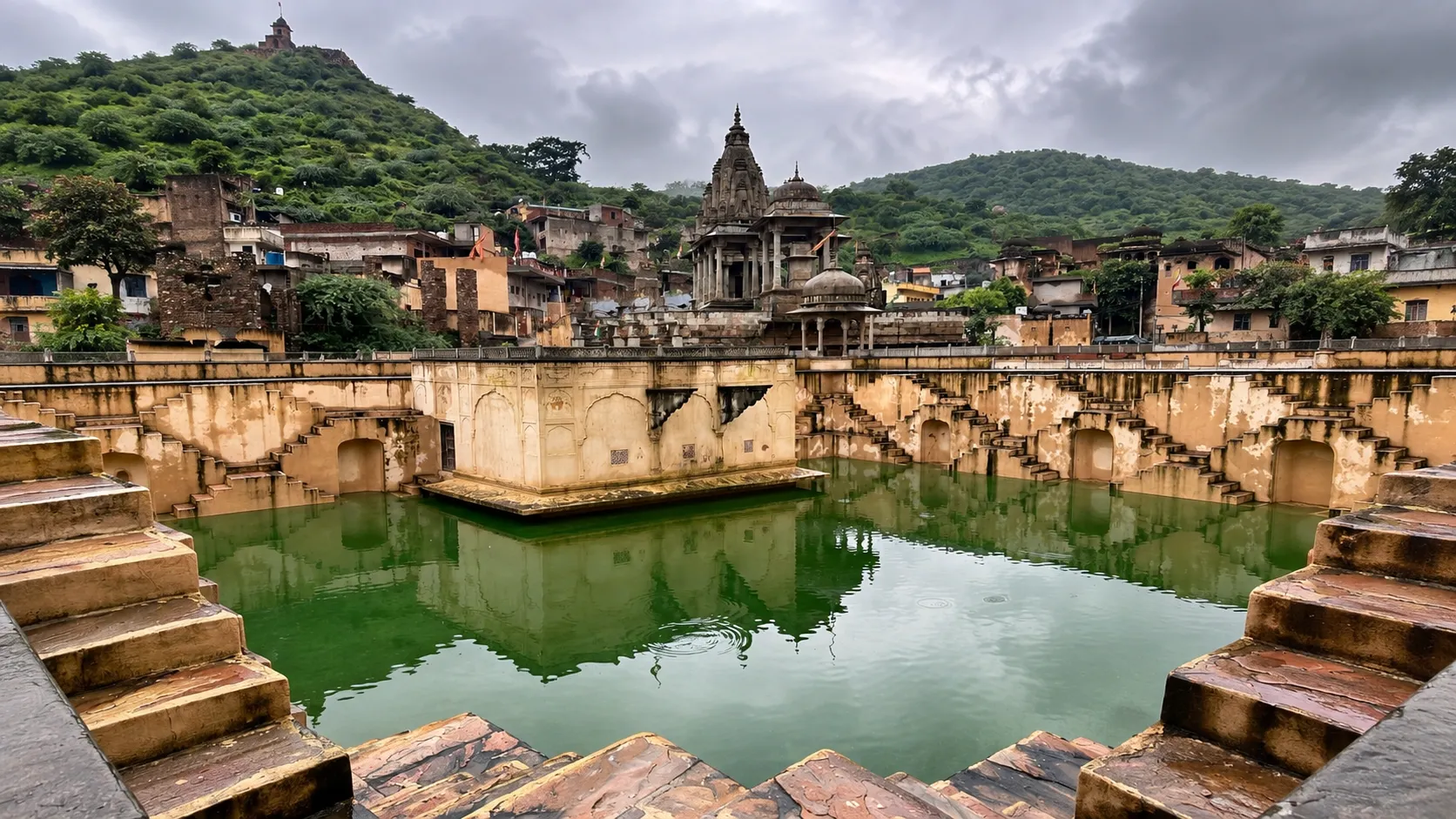
Long before it became a festival stop, Abhaneri was known as Abha Nagri — the “City of Brightness.” Founded in the 8th–9th century CE by Raja Chanda of the Nikumbha dynasty and later patronised by the art-loving Gurjara-Pratihara rulers, the village once produced sculpture that now sits in museums around the world. Its centrepiece, Chand Baori, is one of India’s oldest and most photographed stepwells — a striking inverted pyramid of roughly 3,500 symmetrical steps across 13 storeys, cut into the earth to store rainwater in an otherwise arid landscape. Functioning wells like this doubled as community gathering spaces, which is precisely the role Chand Baori still plays today whenever the festival lights come on.
Next to the stepwell stands the Harshat Mata Temple, dedicated to the goddess of joy and happiness — local legend holds that her radiance is what gave the village its name. The temple, the deity, and the stepwell together are the reason the festival exists where it does.
The Rajasthan Tourism Department created the Abhaneri Festival in 2008 for a specific reason: to bring visibility (and visitors) to a heritage village that had none of the built-in fame of Pushkar or Jaisalmer. It has since grown into a genuine platform for rural artisans and performers, sitting alongside the state’s better-known Desert Festival and Pushkar Camel Fair on Rajasthan’s cultural calendar — smaller in scale, but arguably more intimate, since the entire event happens inside and around a single monument.
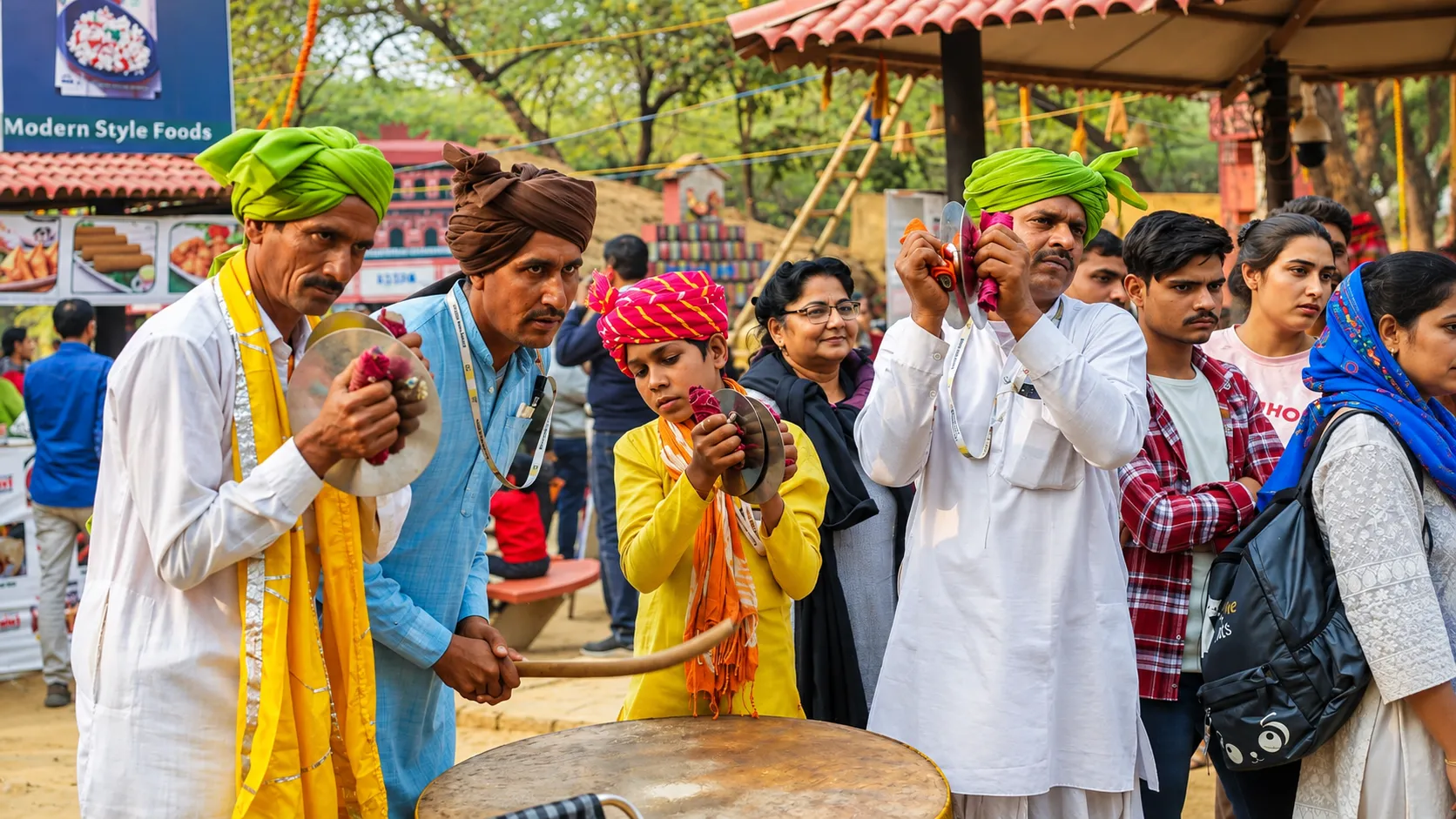
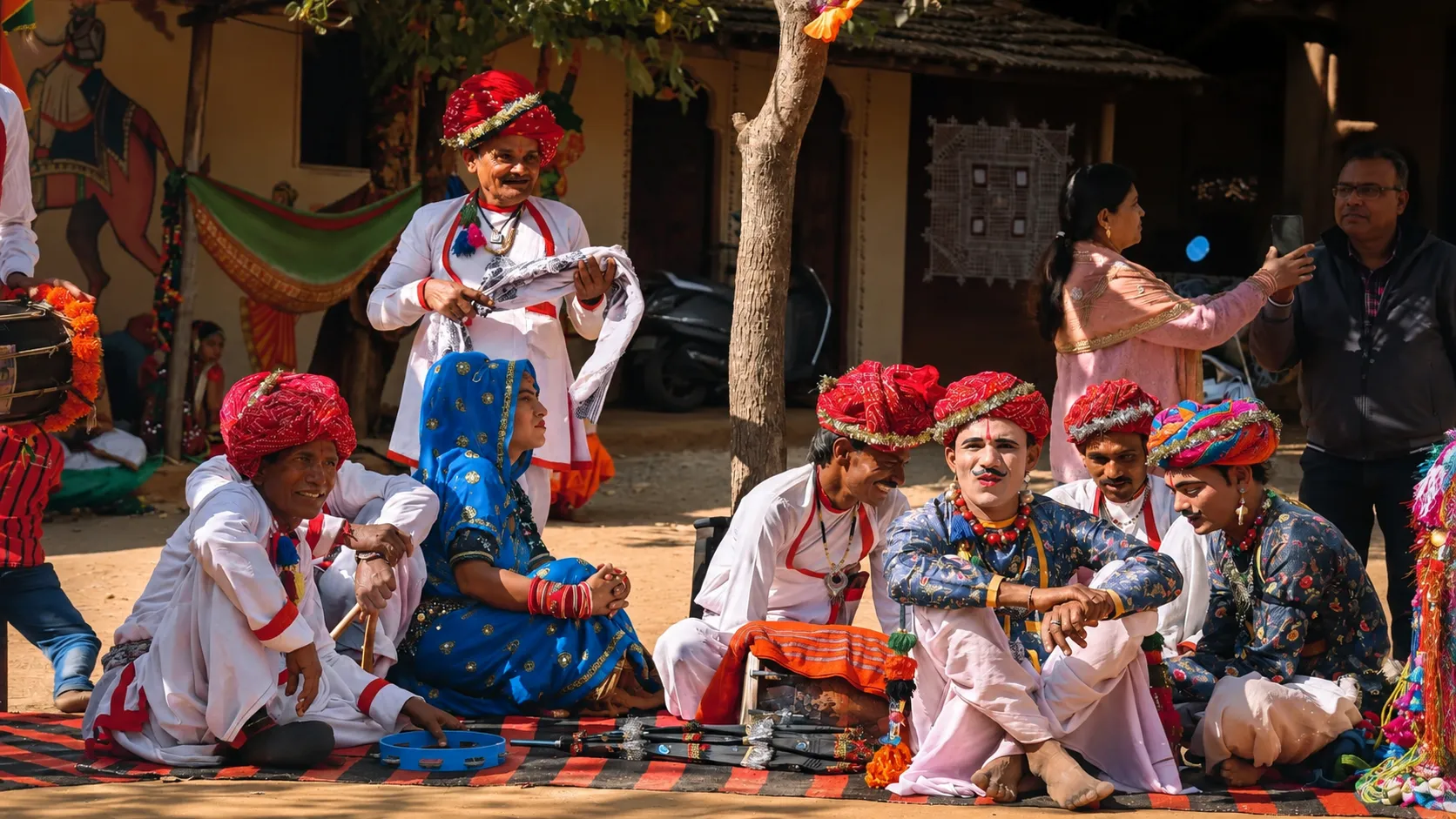
Over its two days, the stepwell is lit up for evening performances of Ghoomar, Kalbeliya, Bhavai and Kachhi Ghodi dance, alongside puppet shows, folk music and street theatre. By day, a craft bazaar showcases Rajasthani pottery, block printing, mirror work and textiles, and camel cart rides take visitors through the surrounding village — a rare chance to see rural Dausa rather than just pass through it.
Here’s the honest picture: Rajasthan Tourism has not yet published an official confirmed date for the Abhaneri Festival 2026 on its own channels as of this update. One independent listing cites 12–13 October 2026, which fits the festival’s usual pattern, but it isn’t yet backed by the government’s own event calendar, so treat it as an expected window rather than a booked-in date.
For context, here’s how the date has moved year to year:
Year | Dates |
2019 | 30 Sept – 1 Oct |
2024 | 4–5 Oct |
2025 | 26–27 Sept |
2026 | Expected mid-October (12–13 Oct cited by one source; official confirmation pending) |
The pattern holds: always late September to mid-October, always a two-day window, always timed to the pleasant post-monsoon weeks around Navratri. If you’re building a trip around it, treat the exact dates as provisional until closer to the event — or simply enquire with our team and we’ll confirm the latest official dates before finalising your itinerary.
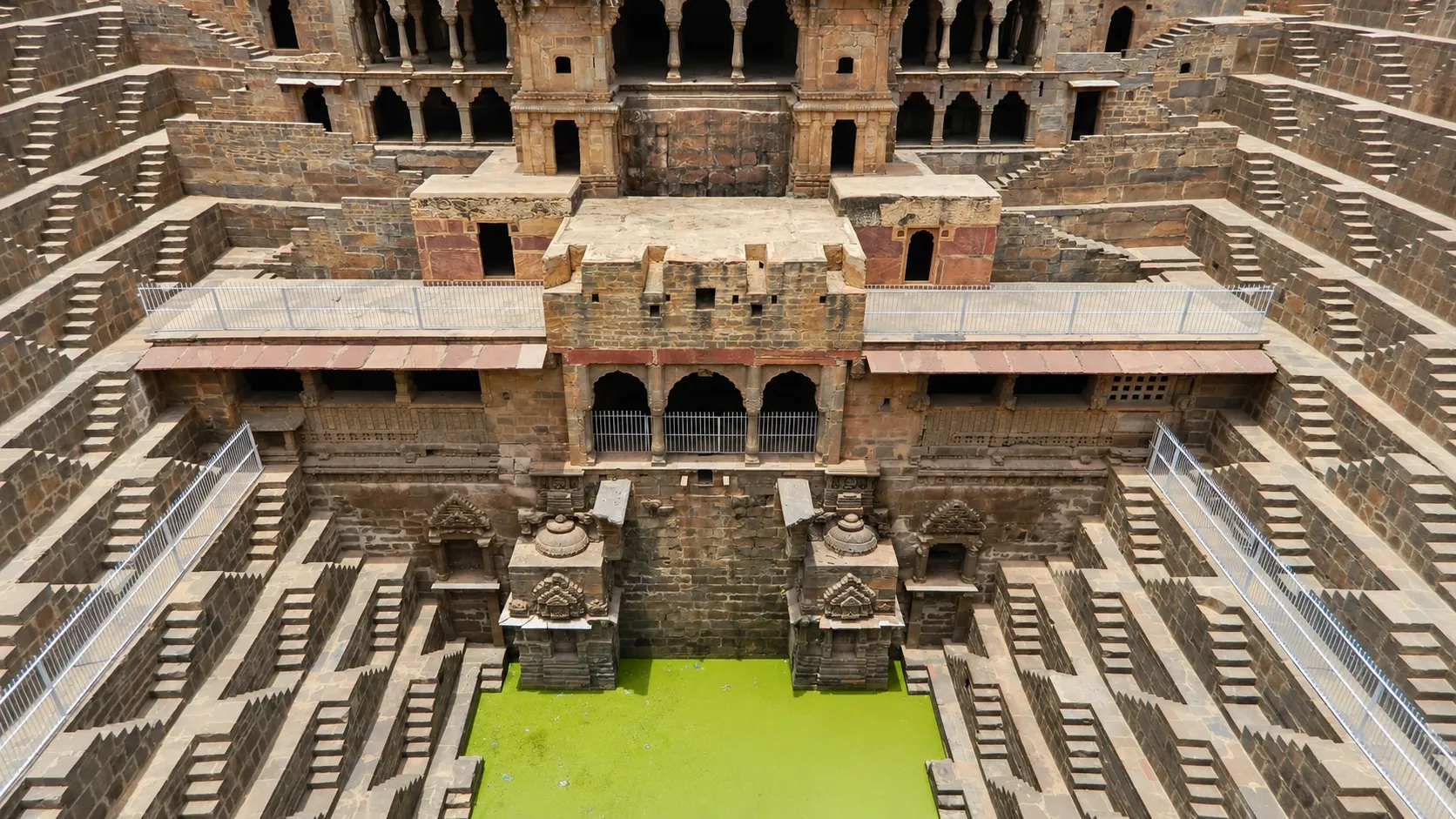
Chand Baori isn’t only a festival backdrop — it’s one of Rajasthan’s most architecturally significant sites in its own right, and worth visiting even outside the two festival days. The precision of its stepped geometry, repeated across 13 storeys, is the kind of thing photographs never quite capture; the scale only registers in person. One practical note: visitors are not permitted to descend the steps — viewing is from the surrounding terraces and gallery, which is where the best photo angles are anyway.
Because Chand Baori sits almost exactly between Jaipur and Bharatpur/Agra, it’s a natural, low-effort add-on for anyone already tracing the Golden Triangle rather than a destination requiring a special trip.
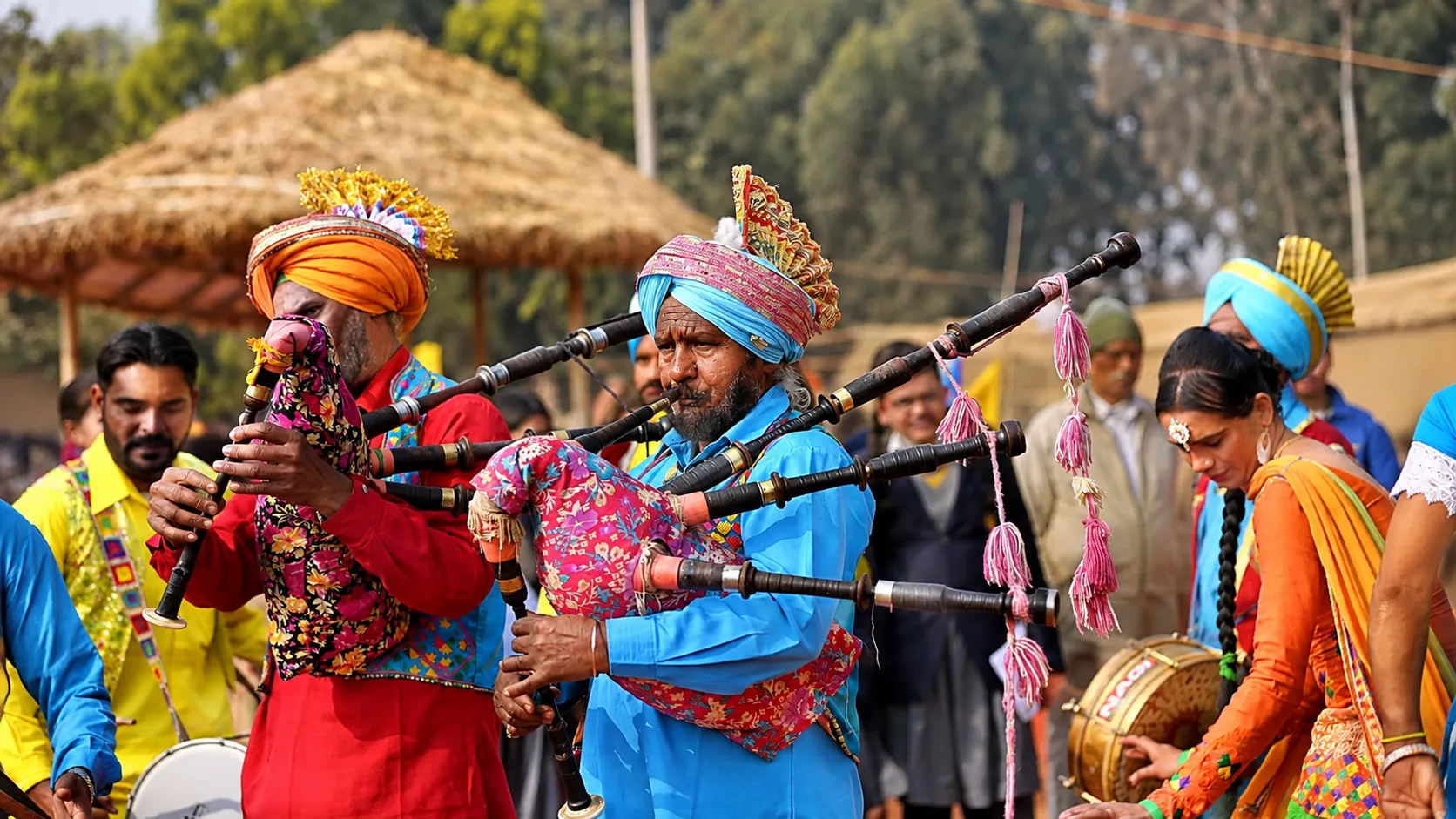
A festival day at Chand Baori gets crowded, and public event logistics — parking, timings, crowd flow — aren’t something we’d want any of our travellers navigating alone. Built into a private Rajasthan itinerary, an Abhaneri visit looks different: a private vehicle and guide, festival-day timing planned around the crowds rather than against them, and — for travellers with a day to spare — a pairing with the nearby Bhangarh Fort, one of Rajasthan’s most talked-about heritage sites, as a full private day excursion from Jaipur.
Abhaneri fits naturally into two of our existing journeys:
Pair the visit with a royal dining experience at Virasat Heritage Restaurant, Jaipur to bookend a heritage-focused day with Rajasthan’s culinary traditions as well as its architecture.
Chand Baori Stepwell · Dausa, Rajasthan
Until the expected 2026 dates (12–13 Oct) — pending official confirmation from Rajasthan Tourism.
Held annually since 2008 around the illuminated Chand Baori stepwell, the Abhaneri Festival brings Rajasthani folk dance, live music, puppet shows and an artisan craft bazaar to a village most travellers otherwise pass straight through.
Who is it best for? Tap a traveller type:
Select a type above to see what suits them best.
Built by Raja Chanda of the Nikumbha dynasty and expanded under the Gurjara-Pratiharas, Chand Baori was designed to store rainwater in an arid landscape — and to double as the village's social gathering space, much as it does during the festival today. Descending the steps isn't permitted; the best views are from the surrounding terraces.
Abhaneri sits naturally along the Delhi–Agra–Jaipur route, so it works best as a private detour built into a wider itinerary rather than a stand-alone trip.
Plan a private Abhaneri day tripOfficial dates haven’t been confirmed by Rajasthan Tourism at the time of writing. One source cites 12–13 October 2026; based on recent years, expect a two-day window sometime between late September and mid-October. Confirm with our team closer to your travel dates.
The Chand Baori stepwell — one of the world’s largest and deepest, built roughly 3,500 steps across 13 storeys into the earth — and the annual cultural festival held around it.
No. Descending the steps isn’t permitted; visitors view Chand Baori from the surrounding terraces.
Yes — Chand Baori and the Harshat Mata Temple are open year-round, and visiting without festival crowds gives a quieter, more contemplative experience of the architecture itself.
Yes — as the largest palace complex in Rajasthan and the seat of the Mewar dynasty for centuries, it’s the single most historically layered site in the city and a natural starting point for everything else on this list.
Yes — it sits naturally along both routes. Enquire with our team and we’ll build it into a private itinerary around your dates.
Chat on WhatsApp