
5 Pillars of Tourism: Complete Guide with India Examples
The 5 Pillars of Tourism: A Complete Guide with India Examples Updated July 2026 — curated by the Idyllic India...
Read More →
Updated July 2026 — curated by the Idyllic India Tours travel team
Eid is one of the most significant and joyful festivals celebrated by Muslims worldwide, marking a period of spiritual reflection, gratitude, and community bonding. There are two major Eid celebrations in the Islamic calendar: Eid al-Fitr and Eid al-Adha. Each holds a unique religious meaning, but both share the same core values of unity, charity, and celebration — and in India, home to the world’s third-largest Muslim population, both are celebrated with a warmth and diversity that few other countries can match.
Planning a wider trip around this season? A walk through Old Delhi’s lantern-lit lanes on our Delhi Delight tour, or a quieter Eid morning beside Srinagar’s Dal Lake on The Magic of Kashmir, are two of the most memorable ways to experience this side of India.
The word “Eid” simply means “festival” or “feast” in Arabic, and Muslims mark two of them each year, roughly seventy days apart. Eid al-Fitr, often called the “Festival of Breaking the Fast,” arrives at the end of Ramadan, the holy month of fasting, prayer, and self-discipline. Eid al-Adha, the “Festival of Sacrifice,” follows around ten weeks later and honours Prophet Ibrahim’s willingness to sacrifice his son in obedience to God, while also coinciding with the completion of the annual Hajj pilgrimage to Mecca.
Both dates are set by the Islamic (Hijri) calendar, which is lunar rather than solar. Because a lunar year runs about eleven days shorter than the Gregorian calendar, each Eid shifts roughly eleven days earlier every year — which is why Eid al-Fitr fell in March in 2026 but will fall in early March again in 2027, while Eid al-Adha moves from late May in 2026 to mid-May in 2027. The final date always depends on the physical sighting of the crescent moon, so it’s confirmed only a day or so in advance by local moon-sighting committees.
Eid al-Fitr takes its name from the Arabic fitr, meaning “to break the fast,” and it falls on the first day of Shawwal, the tenth month of the Islamic calendar. For the preceding month, observant Muslims abstain from food and drink between dawn and sunset, alongside increased prayer and reflection. When the new moon of Shawwal is sighted, it signals the end of Ramadan and the start of Eid — a day widely understood as a reward for the spiritual devotion practiced throughout the month. The night before, known as Chand Raat (“Night of the Moon”), is a celebration in its own right, with markets staying open late for last-minute shopping, mehndi (henna) application, and festive shopping for new clothes.
Eid al-Fitr in 2027 is expected to fall around Wednesday, 10 March (subject to moon sighting; some regions may observe it a day earlier or later).
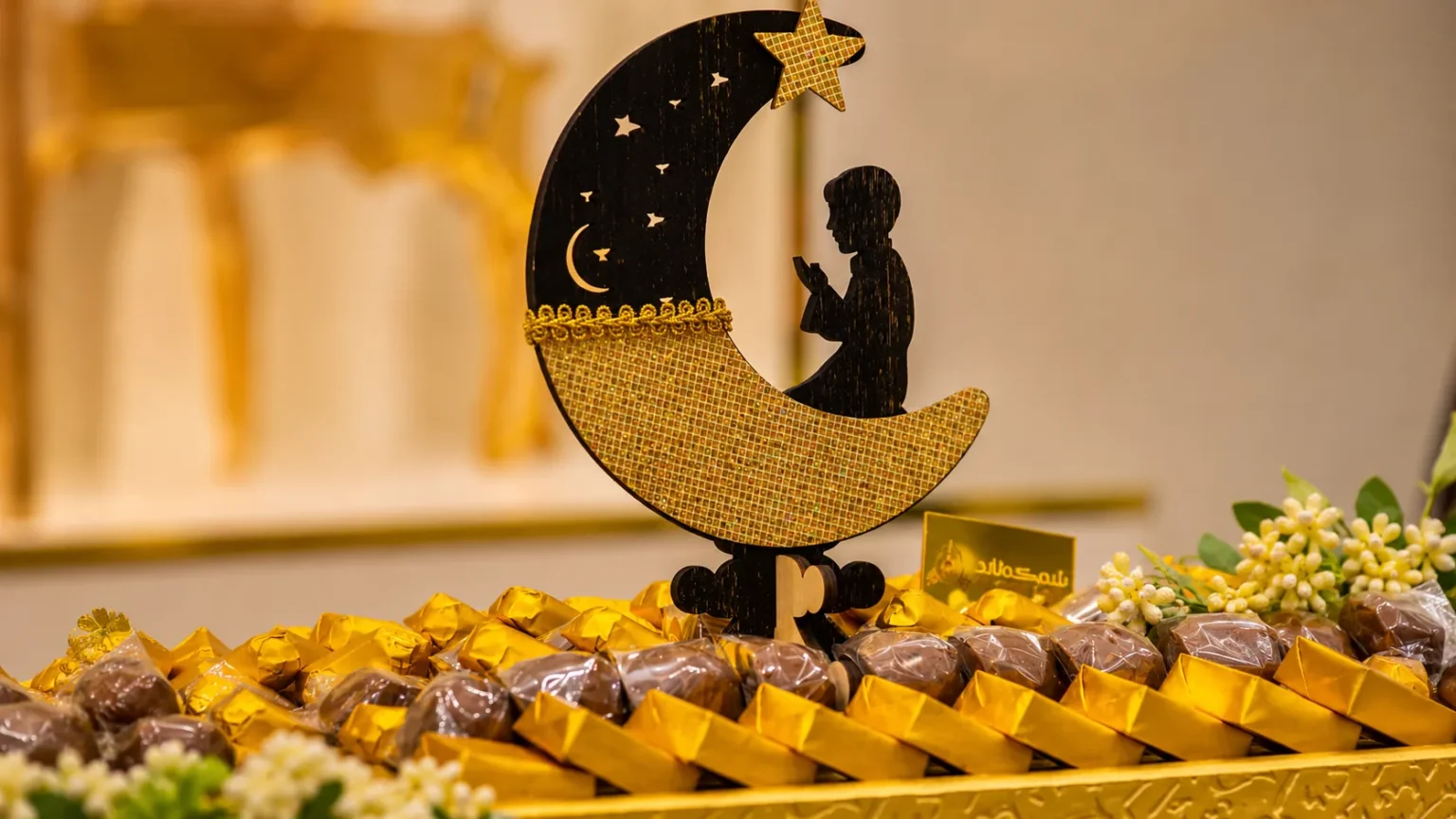
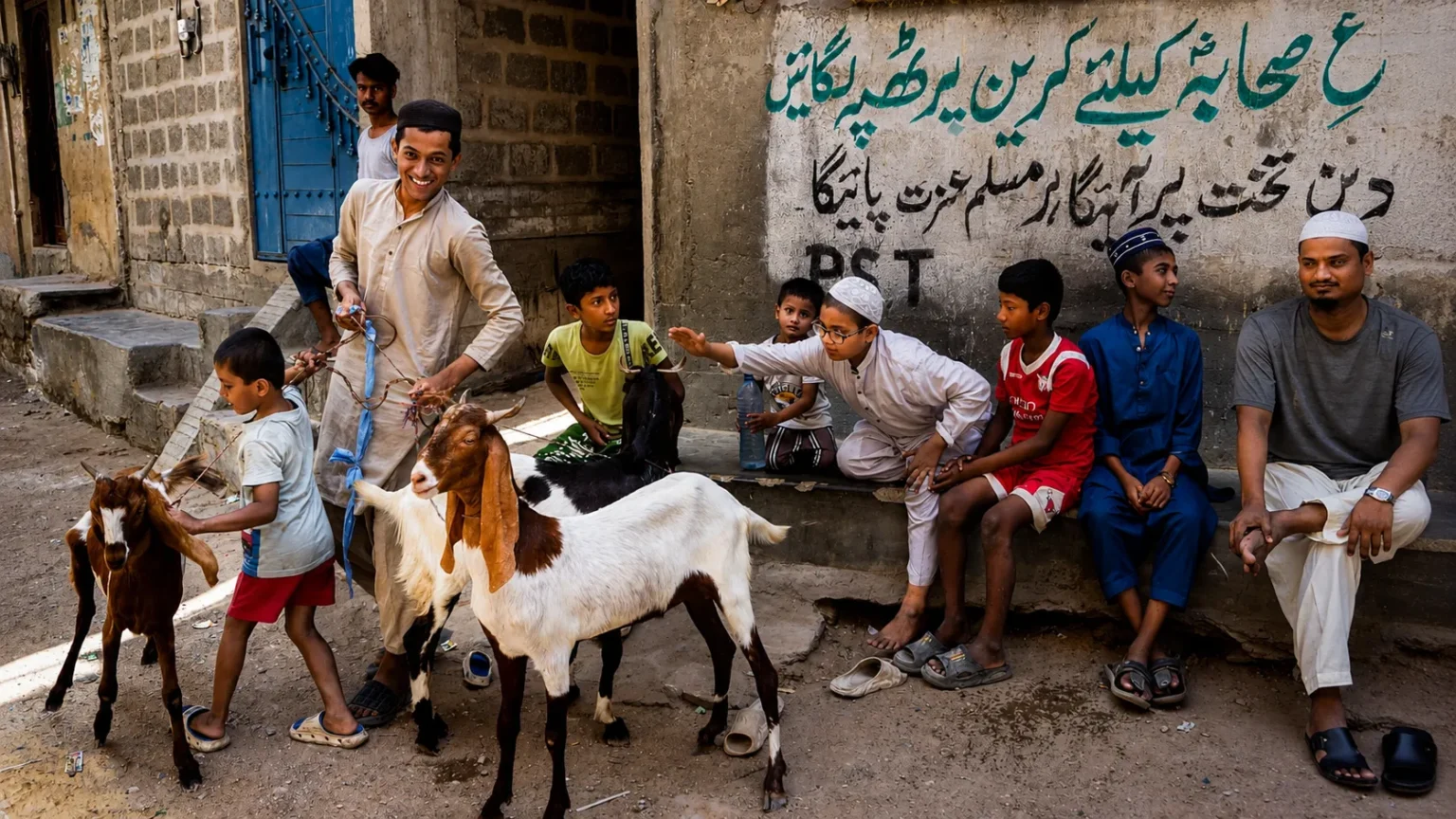
Eid al-Adha, meaning “Festival of Sacrifice,” is considered by many the more solemn of the two Eids. It commemorates Prophet Ibrahim’s (Abraham’s) willingness to sacrifice his son — understood in Islamic tradition to be his son Ismail (Ishmael), where the Judeo-Christian telling of the same story names Isaac — as an act of complete submission to God. Tradition holds that God intervened at the last moment, providing a ram to be sacrificed instead, and Ibrahim’s devotion is honoured every year through the ritual of Qurbani: those who can afford it sacrifice an animal, typically a goat, sheep, cow, or camel, and divide the meat into three equal parts — one for the family, one for relatives and friends, and one for those in need.
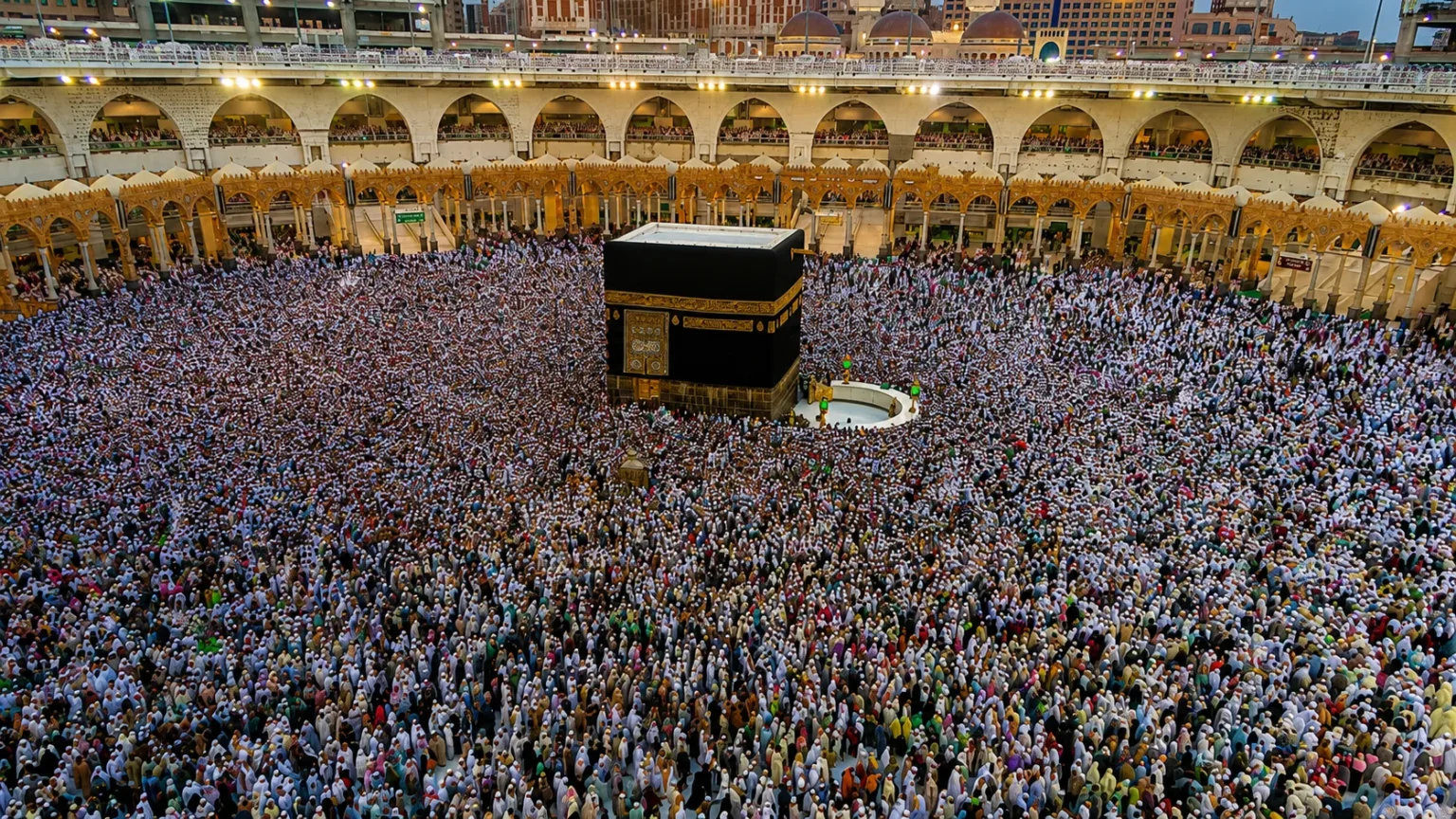
Eid al-Adha also marks the culmination of Hajj, the annual pilgrimage to Mecca that every able-bodied, financially capable Muslim is expected to undertake at least once in their lifetime. While pilgrims complete their own rites in Mina, Muslims everywhere join in spirit through prayer and Qurbani on the same day.
Eid al-Adha in 2027 is expected to fall around Monday, 17 May (subject to moon sighting).
| Aspect | Eid al-Fitr | Eid al-Adha |
Also called | Meethi Eid (“Sweet Eid”), Ramzan Eid | Bakrid, Bakra-Eid, the “Greater Eid” |
Marks | The end of Ramadan’s fasting month | Ibrahim’s devotion and the end of Hajj |
Falls on | 1 Shawwal | 10 Dhul Hijjah |
Expected 2027 date (India) | ~10 March | ~17 May |
Central ritual | Zakat al-Fitr (charity) before Eid prayer | Qurbani (ritual animal sacrifice) |
Signature foods | Sheer khurma, seviyan (vermicelli) | Biryani, kebabs, qeema, korma |
Typical duration | 1–3 days | 4 days (including Tashreeq days) |
Regional moon-sighting committees can shift either date by a day — worth confirming with local mosques closer to the time.
Both celebrations begin early in the morning with a special congregational prayer, the Eid Salah, held in mosques or in large open grounds known as Eidgahs, followed by a sermon (khutbah). Before the Eid al-Fitr prayer specifically, Muslims are obligated to give a specific charity called Zakat al-Fitr (also known as Fitra or Fitrana). Traditionally set at roughly one sa’a — about 2.5 to 3 kilograms — of a staple food like wheat, dates, or rice, or its cash equivalent, this charity must reach those in need before the prayer begins, ensuring that poor and needy families can also afford new clothes and festive food to join in the celebrations. It’s a powerful, practical reminder that the joy of Eid is meant to be shared, not reserved for those who can already afford it.
After prayers, people greet each other warmly with the phrase “Eid Mubarak,” meaning “Blessed Eid,” often accompanied by “Eid Saeed” (“Happy Eid”) in some communities. The greeting is typically paired with a hug — a gesture that carries real symbolic weight, representing the erasure of past grievances and the renewal of friendships. It’s common to see former disagreements set aside entirely on this day, as reconciliation is considered part of the spirit of the festival.
Festivities continue at home with family and friends long after the morning prayer. People wear their finest new clothes, decorate their houses, and spend the day moving between the homes of relatives and neighbours. Food plays a central role in both celebrations, though the menu shifts with the occasion. Eid al-Fitr is famous for its sweet dishes — sheer khurma, a rich vermicelli pudding simmered in milk with dates, nuts, and saffron, and seviyan more broadly, are practically synonymous with the festival across South Asia. Eid al-Adha’s table looks different: it centres on the Qurbani meat itself, transformed into biryanis, kebabs, qeema, and rich meat curries that vary widely by region and household. In both cases, the meal is less about the dish itself and more about who it’s shared with — extended families often spend the entire day moving from one relative’s home to the next.
Children receive gifts and money, known as Eidi, from parents, grandparents, and elder relatives — traditionally handed over right after the greetings and hugs, sometimes tucked into a small envelope. It’s one of the traditions children look forward to most, and it doubles as an early, informal lesson in generosity: many children are gently encouraged to set aside a portion of their Eidi for charity of their own.
Beyond the food, new clothes, and gifts, Eid is fundamentally a festival of social cohesion. It brings together people from different backgrounds, promoting a sense of universal brotherhood that both Eids share in their own way — Eid al-Fitr through the obligatory act of Zakat al-Fitr before prayer, and Eid al-Adha through the mandatory three-way division of Qurbani meat that ensures the less fortunate are never left out. Families visit relatives, neighbours exchange gifts and dishes across faiths, and communities host large public gatherings. In this way, both festivals bridge gaps between rich and poor through acts of charity that are built into the ritual itself, not left to individual choice.
Islam is the world’s second-largest religion, with an estimated 2 billion Muslims worldwide — roughly a quarter of the global population. India, though not a Muslim-majority country, is home to the world’s third-largest Muslim population after Indonesia and Pakistan, at well over 200 million people. That scale, combined with India’s extraordinary regional diversity, means Eid here isn’t a single, uniform celebration — it looks and tastes noticeably different depending on which part of the country you’re in, shaped by centuries of local history, Mughal and Nawabi heritage, and distinct regional cuisines.
For travellers curious to witness Eid firsthand, a handful of Indian cities are especially well known for the scale and character of their celebrations:
In conclusion, Eid is much more than a holiday. It is a beautiful blend of spiritual devotion, gratitude, and humanitarian care, expressed twice a year in two distinct but deeply connected ways. The festival reminds individuals to remain compassionate, generous, and connected to their community, and by emphasising peace, charity, and love, both Eid al-Fitr and Eid al-Adha spread a universal message of harmony that resonates across the globe — and rarely more vividly than across India’s own mosques, markets, and kitchens.
Experiencing Eid in India is a feast for the senses — from dawn prayers at historical mosques and bustling nocturnal food streets to peaceful moments in heritage towns. Navigating peak festival crowds, moon-sighting timing, and local festival routes takes thoughtful local planning.
Our travel specialists design custom festival itineraries tailored to your pace — whether you want to taste your way through Old Delhi’s street food, experience a morning prayer at Srinagar’s Hazratbal Shrine, or immerse yourself in the rich Nawabi traditions of Lucknow. We take care of heritage hotel bookings, comfortable private transfers, and experienced local guides so you can experience the authentic spirit of Eid seamlessly.
Curious to witness Eid in India firsthand? Get in touch with Idyllic India Tours to start planning a trip timed around it.
Eid al-Fitr celebrates the end of Ramadan’s month of fasting and centres on charity (Zakat al-Fitr) and sweet dishes like sheer khurma. Eid al-Adha commemorates Ibrahim’s devotion, coincides with the end of Hajj, and centres on the ritual sacrifice (Qurbani) of an animal, shared three ways between family, friends, and those in need.
The Islamic calendar is lunar, running about eleven days shorter than the Gregorian solar year, so both Eids shift roughly eleven days earlier each year and cycle through every season over time.
It translates to “Blessed Eid” and is the standard greeting exchanged on both festivals, often accompanied by a hug as a gesture of reconciliation and renewed friendship.
It’s an obligatory charity given before the Eid al-Fitr prayer, traditionally equal to about one sa’a (2.5–3 kg) of a staple food like wheat or dates, or its cash value, ensuring less fortunate families can also celebrate.
Eidi is the money or small gifts that children receive from parents and elder relatives on Eid morning, usually handed over right after the Eid greetings.
There’s no single answer — Delhi and Hyderabad offer grand mosque gatherings and legendary food streets, Lucknow brings Nawabi elegance, Srinagar’s Hazratbal Shrine offers unmatched scenery, and Kerala’s Malabar Coast reveals one of India’s oldest and most distinct Muslim cultures.
Chat on WhatsApp