Best Time to Visit India: A Month-by-Month Guide to Weather, Festivals and the Right Season for Every Journey
Updated July 2026 — curated by the Idyllic India Tours travel team
Discover the Magic of India's Most Vibrant Festival with Idyllic India Tours
The absolute best time to visit India is between October and March, when the monsoon has cleared, temperatures are at their most comfortable across the north and south, and the country’s most iconic sites — from the Taj Mahal to the temples of Hampi — are fully accessible and breathtakingly beautiful. Wildlife is thriving, roads are open, and the festive calendar explodes with colour during this period.
Ideal Months at a Glance:
- 🥇 November & December — Peak comfort nationwide; Rajasthan shines; Goa hits its stride
- 🥈 January & February — The driest and coolest stretch; perfect for the Golden Triangle and Kerala
- 🥉 October — Post-monsoon freshness; landscapes lush and green; fewer crowds than November
Top Picks by Travel Style:
- Wildlife & Safari: October – March (national parks open; big cats active)
- Himalayan Trekking: June – September (Ladakh & Spiti open; Himachal in bloom)
- Beach Holiday (Goa/Kerala): November – February
- Spiritual & Cultural Immersion: October – March (Diwali, Pushkar, Holi)
- Budget Travel: June – September (monsoon low season; prices drop 30–50%)
Season & Weather Overview
India’s climate divides into three broad chapters, and knowing which one you’re booking into is the single most important travel planning decision you’ll make:
- Winter / Peak Season (October – March): Clear skies, mild days, and cool evenings define most of the country. This is when India is at its most tourist-friendly — national parks are open, mountain roads accessible in the south, and visibility perfect for photography. Expect higher hotel rates and advance booking requirements of 2–3 months for premium properties in Rajasthan and wildlife lodges.
- Summer / Shoulder Season (April – June): The mercury climbs fast across the plains — Delhi and Rajasthan can exceed 45°C by May. The Himalayan foothills become a magnet for heat-escaping domestic tourists. Ladakh is still snow-locked in April but begins opening in May–June. Fewer international tourists means lower prices and zero queuing at monuments, but the heat demands careful itinerary planning.
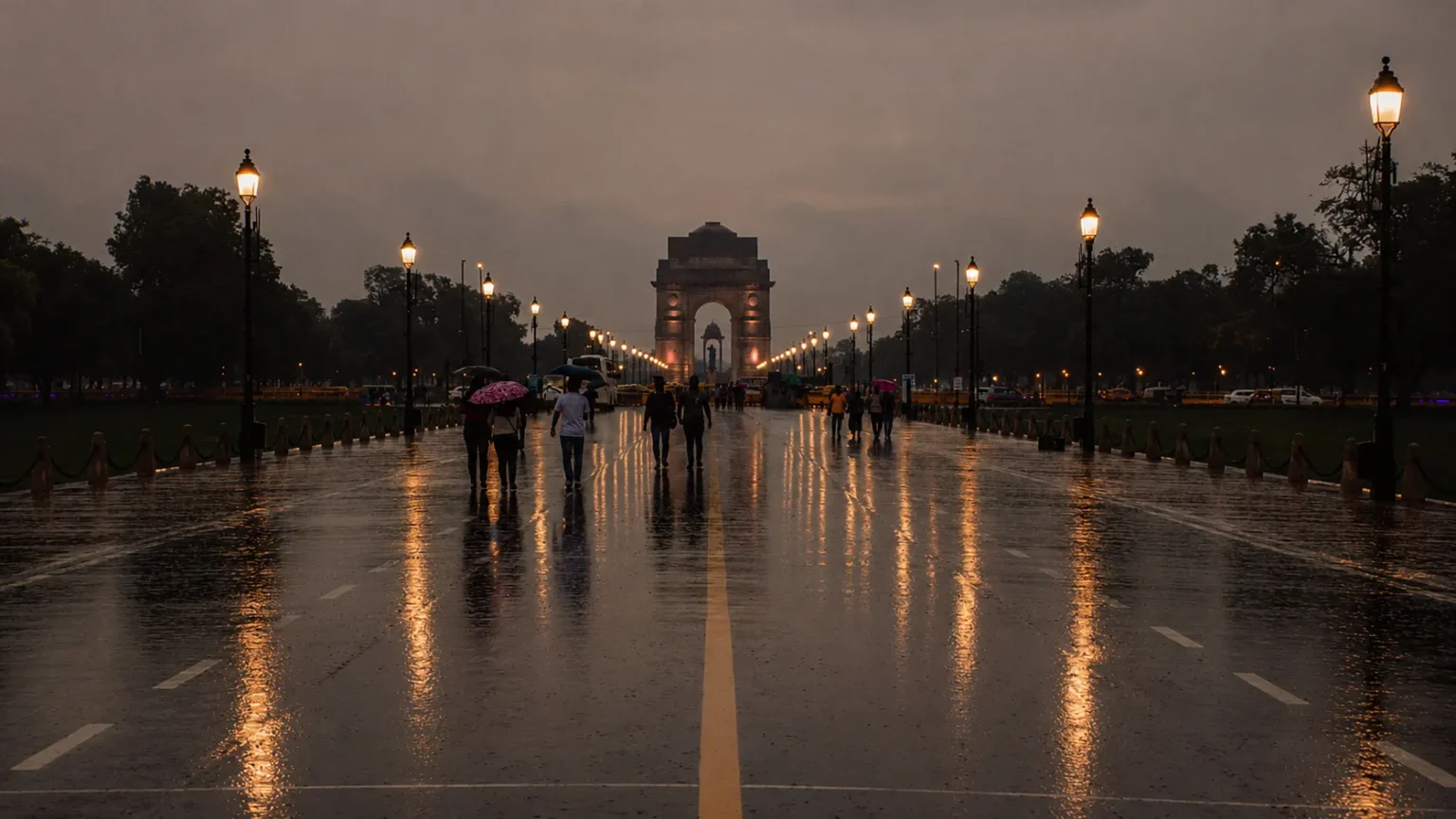
- Monsoon / Low Season (July – September): The Southwest Monsoon sweeps in from Kerala in June and blankets most of the country. Lush, cinematic landscapes emerge — India’s greens turn impossibly vivid — but flooding, road closures, and national park shutdowns are real constraints. Ladakh, shielded by the Himalayas, paradoxically enjoys its only tourist window during this period. Budget travellers who embrace the rain can find rates 30–50% lower than peak season.
Month-by-Month Breakdown
January — The Golden Month
Weather:
- North India: 5°C – 18°C | Nights cold, days sunny and crisp
- South India: 22°C – 32°C | Warm and pleasant; low humidity
- Goa: 20°C – 32°C | Peak beach weather
Best For: Golden Triangle, Rajasthan, Goa, Kerala, Wildlife Safaris, Republic Day Parade
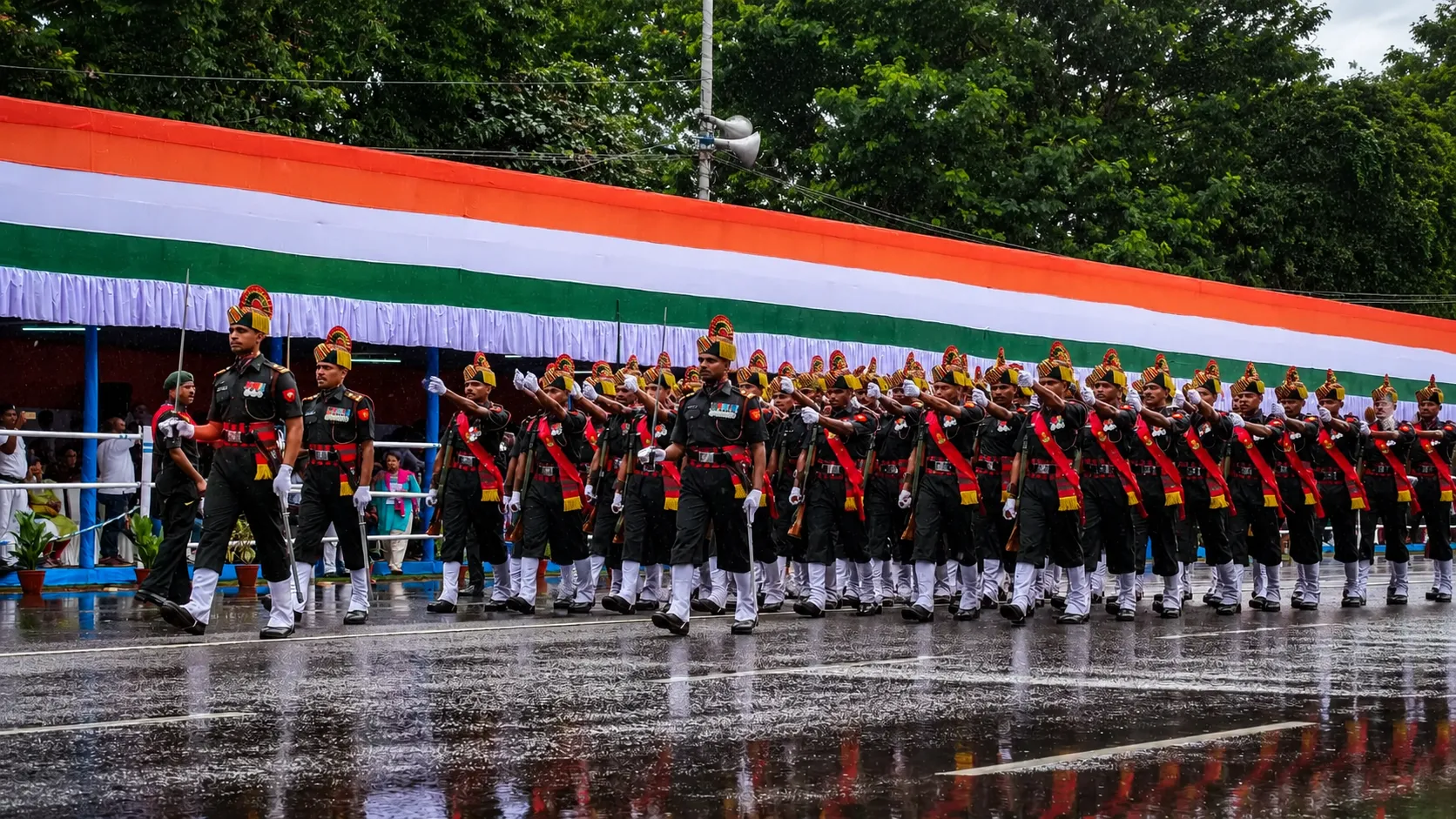
One of India’s driest, coolest months. Rajasthan’s mornings begin under a soft chill and warm into forgiving desert sunshine by afternoon, while the Himalayan foothills lie under fresh snow. Goa’s beaches and Kerala’s backwaters stay warm and inviting throughout. Republic Day, on 26th January, brings a grand parade through New Delhi. Best for: Rajasthan’s forts, Himalayan snow views, and an early start on Kerala’s backwaters.
Cultural Hooks:
- Makar Sankranti (January 14): A harvest festival celebrated with kite-flying spectacles across Gujarat and Rajasthan — Jaipur’s skies turn electric with hundreds of coloured kites.
- Republic Day (January 26): Delhi hosts a spectacular military parade down Kartavya Path (formerly Rajpath). Book grandstand tickets months ahead; the tableaux from each Indian state are culturally unmissable.
February — Romance, Ruins & Warm Evenings
Weather:
- North India: 8°C – 22°C | Warming slightly; still mostly dry
- South India: 25°C – 34°C | Begins warming but remains comfortable
- Rajasthan: Ideal — blue skies, cool mornings
Best For: Couples, Cultural Tourism, Heritage Sites, Early Wildlife Season, Desert Festivals
If there’s one month to see the whole country at its best simultaneously, it’s this one. The fog has lifted, the heat hasn’t arrived, and skies stay clear from the Thar Desert to the Nilgiri Hills. Wildlife sightings peak in parks like Ranthambore, where cooler dawns draw tigers toward open water. It’s also peak wedding and honeymoon season, for good reason. Best for: cross-country itineraries, tiger safaris, wide-open sightseeing days.
Cultural Hooks:
- Vasant Panchami: Marks the arrival of spring and the worship of Saraswati, the goddess of knowledge — schools and colleges across India hold special ceremonies, and children traditionally begin music or language lessons on this auspicious day.
- Khajuraho Dance Festival (Feb–Mar): Classical Indian dance forms — Bharatanatyam, Kathak, Odissi — performed by the country’s finest artists against the lit façades of the 10th-century erotic temples of Madhya Pradesh. One of the subcontinent’s great cultural events.
March — Holi, Heat & the Last Perfect Window
Weather:
- North India: 15°C – 30°C | Warming; afternoons getting hotter
- South India: 28°C – 38°C | Noticeably hot and humid in Tamil Nadu
- Rajasthan: 18°C – 35°C | Still manageable in the first half
Best For: Holi Festival, Short Trips, Early Departure Before Summer Heat
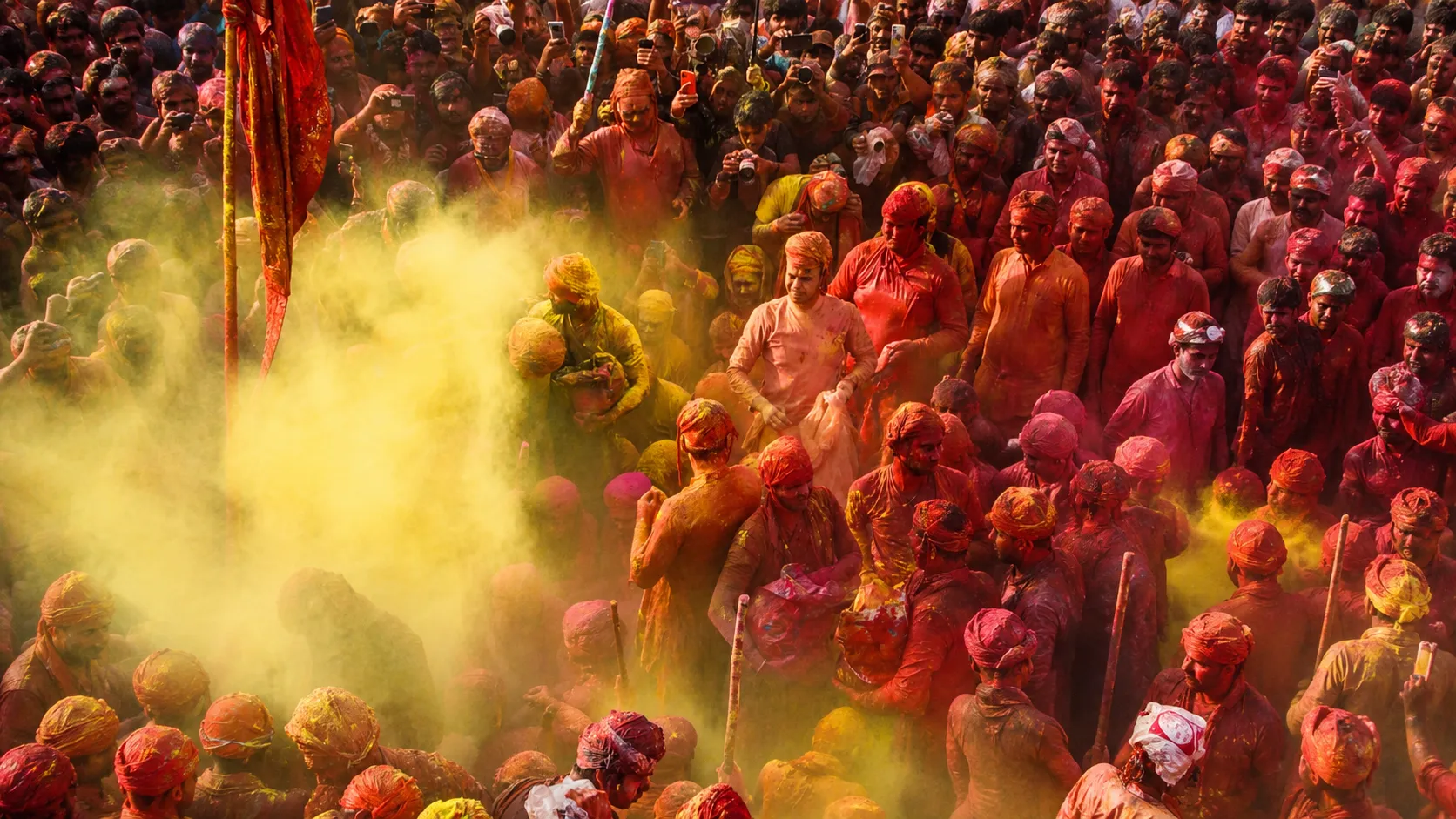
March opens with Holi, the festival of colour, when streets across the north dissolve into a joyful, powder-pink chaos — best experienced along the Golden Triangle route of Delhi, Agra and Jaipur. Temperatures climb steadily through the month, so mornings get busier and afternoons get slower. It’s also a strong month for spotting tigers in central India, as shrinking water sources concentrate wildlife. Best for: Holi celebrations, Golden Triangle touring, early-season safaris.
Cultural Hooks:
- Holi (March — date varies with lunar calendar): India’s most visceral and joyful festival. Witness it in Mathura and Vrindavan, the spiritual heartland of Holi, where celebrations last five days and include the extraordinary Lathmar Holi in Barsana, where women playfully beat men with sticks. Varanasi’s ghats also stage deeply atmospheric celebrations. Book accommodation 2–3 months in advance and expect premium pricing.
- Elephant Festival, Jaipur (March, some years): A parade of decorated elephants at the Chaugan Stadium — increasingly scaled back in recent years but still a striking cultural spectacle when held.
April — Heat Rises, Prices Fall
Weather:
- North India: 25°C – 40°C | Hot; heat waves begin in Punjab and Haryana
- Rajasthan: 30°C – 42°C | Uncomfortably hot in the afternoons
- Northeast India: 20°C – 28°C | Pre-monsoon warmth; lush and manageable
Best For: Northeast India, Hill Stations, Baisakhi Festival
April rewards the wildlife enthusiast willing to brave the heat. As plains temperatures climb, waterholes shrink and animals — especially the Bengal tiger — become easier to spot at dawn and dusk. In the Himalayan foothills, it’s an entirely different season: rhododendrons bloom and the trekking season opens in Himachal Pradesh and Uttarakhand. Best for: peak tiger sightings, early Himalayan treks, spring in the hills.
Cultural Hooks:
- Baisakhi (April 13–14): The harvest festival of Punjab, celebrated with extraordinary energy in Amritsar. The Golden Temple hosts all-night prayers and langar (community meals) — witnessing the Golden Temple illuminated at night during Baisakhi is a spiritual and aesthetic experience unlike any other.
- Bihu (Assam, April): The Assamese New Year and spring harvest festival, celebrated with traditional Bihu dance and music — a wonderful reason to plan a Northeast India journey in this period.
May — Mountain Season Opens
Weather:
- North India: 32°C – 45°C | Peak heat; some plains cities see 47°C+ heat waves
- Hill Stations (Shimla, Manali, Mussoorie): 15°C – 25°C | Ideal
- Ladakh: Begins opening; high passes still partially snow-blocked
Best For: Hill Stations, Manali, Darjeeling, Shillong, Budget Heritage Tours
The hottest month across most of the country, with plains temperatures regularly touching 40–45°C. This is the moment to head for altitude: Shimla, Manali, Darjeeling and the Nilgiris all offer relief and their own quiet charm, ahead of the summer crowds that arrive later. Early mornings in the lowland parks still reward wildlife watchers gathered near dwindling water sources. Best for: hill station retreats, high-altitude escapes, off-peak pricing on the plains.
Cultural Hooks:
- Buddha Purnima (May — lunar calendar): The most sacred day in the Buddhist calendar — the birth, enlightenment, and death of the Buddha. Celebrate it in the most meaningful way possible: at Bodh Gaya (Bihar), where the Bodhi Tree stands, or in Dharamshala, home of the Dalai Lama, where monasteries are adorned with butter lamps and prayer flags.
- Summer Fairs in Rajasthan: The Mewar Festival in Udaipur (sometimes April–May) celebrates the arrival of spring with boat processions on Lake Pichola and classical performances — a more intimate festival than Holi but equally atmospheric.
June — Monsoon Arrives; Ladakh Awakens
Weather:
- Most of India: Monsoon arriving in waves from Kerala northward; heavy rain and humidity
- Ladakh & Spiti: Dry, clear, and spectacular — tourist season officially opens
- Goa & Coastal West: Heavy monsoon rains; beach tourism largely shut
Best For: Ladakh, Spiti Valley, Himalayan Trekking, Freestyle Travel on the Plains
By mid-to-late June, the monsoon begins its slow march up the subcontinent, bringing humidity and the season’s first heavy showers to the south and east. In the rain shadow of the high Himalaya, though, Ladakh is just opening for the season, its stark high-altitude landscapes reached by some of the world’s most dramatic mountain roads. Best for: Ladakh and Spiti Valley, the start of nationwide off-season value.
Cultural Hooks:
- Rath Yatra, Puri (June or July — lunar calendar): One of the world’s largest human gatherings. The colossal chariots of Lord Jagannath, his brother Balabhadra, and sister Subhadra are hauled through the streets of Puri, Odisha, by hundreds of thousands of devotees. An overwhelming and completely unique spectacle.
- Hemis Festival, Ladakh (June or July): The largest festival in Ladakh — Buddhist monks at Hemis Monastery perform the Cham masked dance in vibrant silk costumes. Timed to coincide with the Ladakh tourist season, it’s one of the best-curated cultural events in the Himalayan region.
July — Deep Monsoon; Ladakh at Its Peak
Weather:
- Plains (Delhi, Mumbai, Kolkata): Heavy, persistent rain; flooding in some areas; humidity extreme
- Ladakh: Crystal-clear skies; perfect trekking conditions
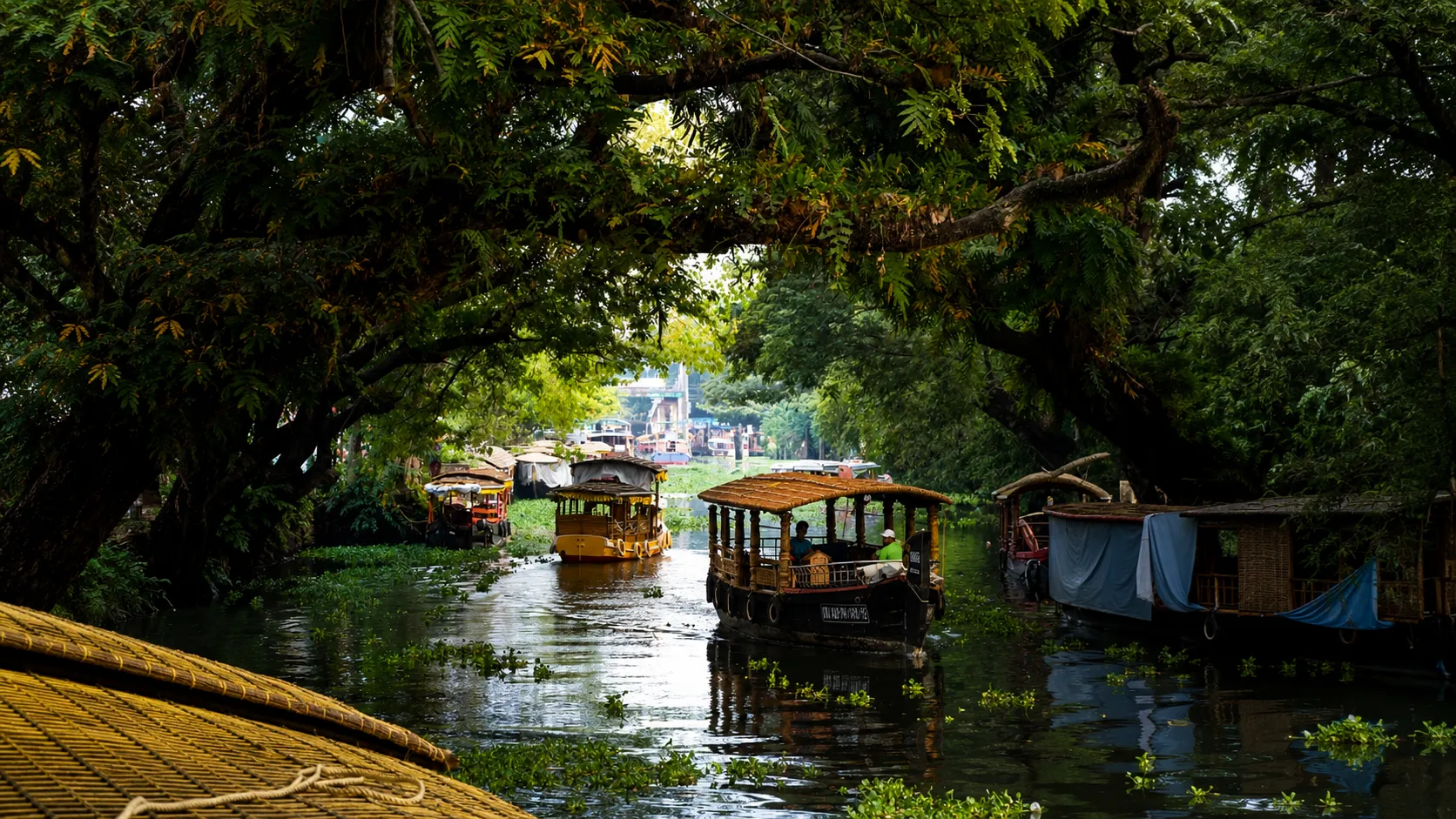
- Kerala Backwaters: Lush monsoon greenery; some rain but magically atmospheric
Best For: Ladakh Trekking, Spiti, Ayurvedic Retreats (Kerala), Offbeat Travel
India’s wettest month, with the monsoon in full force from Mumbai to Kolkata. National parks close their gates until the rains ease. But this is also when Ladakh reaches its sunniest, clearest stretch of the year, and when rare desert rainfall briefly softens Rajasthan’s dry palette. Best for: high-altitude Ladakh travel, dramatic desert-monsoon contrasts.
Cultural Hooks:
- Teej (Rajasthan, July–August): A women’s festival marking the monsoon season with swings decorated in marigolds, traditional folk songs, and processions through the streets of Jaipur — a deeply personal and authentic cultural window for female travellers especially.
- Guru Purnima: A spiritually significant full moon day celebrated across ashrams and Buddhist monasteries in India — Rishikesh and Dharamshala hold particularly moving candlelit ceremonies.
August — Monsoon Peak; Independence & Devotion
Weather:
- Most of India: Peak monsoon; heavy rainfall across the Deccan Plateau, Western Ghats, and Northeast
- Ladakh & Spiti: Still excellent trekking; slightly more cloud cover appearing
- Northeastern States: Lush but very wet; landslide risk on mountain roads
Best For: Spiritual Tourism, Ladakh (still viable), Independence Day
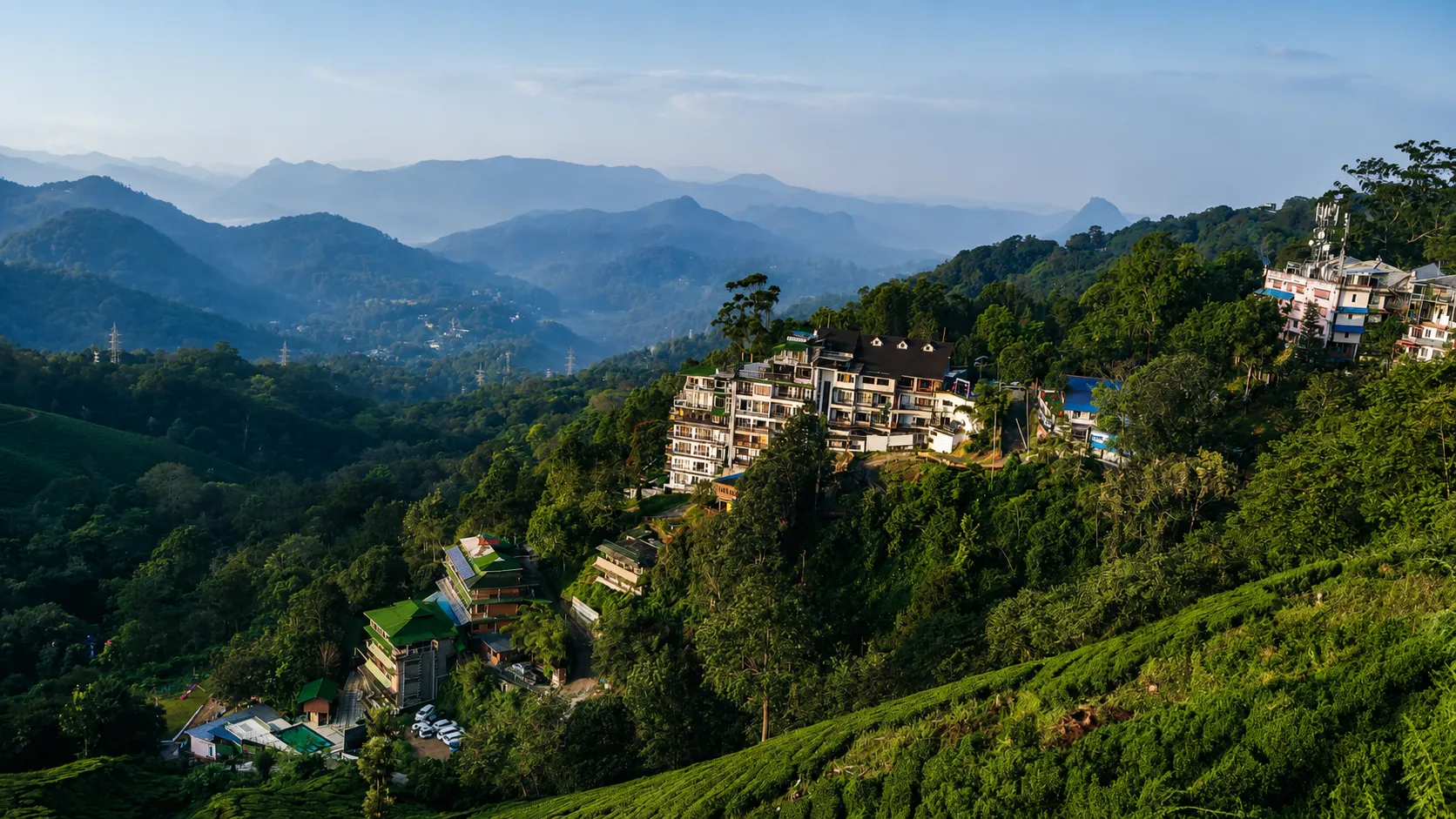
Rain continues through August, though its rhythm becomes part of the experience rather than an obstacle: the Western Ghats and Kerala’s hills turn a saturated green found nowhere else on the calendar. Independence Day, on 15th August, brings quiet civic celebration nationwide, and Ganesh Chaturthi begins lighting up Maharashtra toward month’s end. Best for: monsoon landscapes, lush hill photography, cultural festivals over crowded sightseeing.
Cultural Hooks:
- Independence Day (August 15): India’s national holiday. The Prime Minister addresses the nation from the Red Fort in Delhi, fighter jets streak overhead, and tricolour buntings drape every market in the country. A deeply emotional day to witness as a visitor.
- Janmashtami (August — lunar calendar): The birthday of Lord Krishna. Midnight prayers, fasting, and frenetic celebrations in Mathura and Vrindavan make this one of the most spiritually charged nights on the Hindu calendar.
September — Monsoon Eases; Ganesh and Onam
Weather:
- North India: Monsoon begins retreating; still wet but intervals of sun
- South India: Kerala’s Onam harvest festival in full swing; some rain
- Ladakh: Trekking season winding down; roads still open
Best For: Kerala (Onam), Ganesh Chaturthi (Mumbai/Maharashtra), Pre-Season Booking Deals
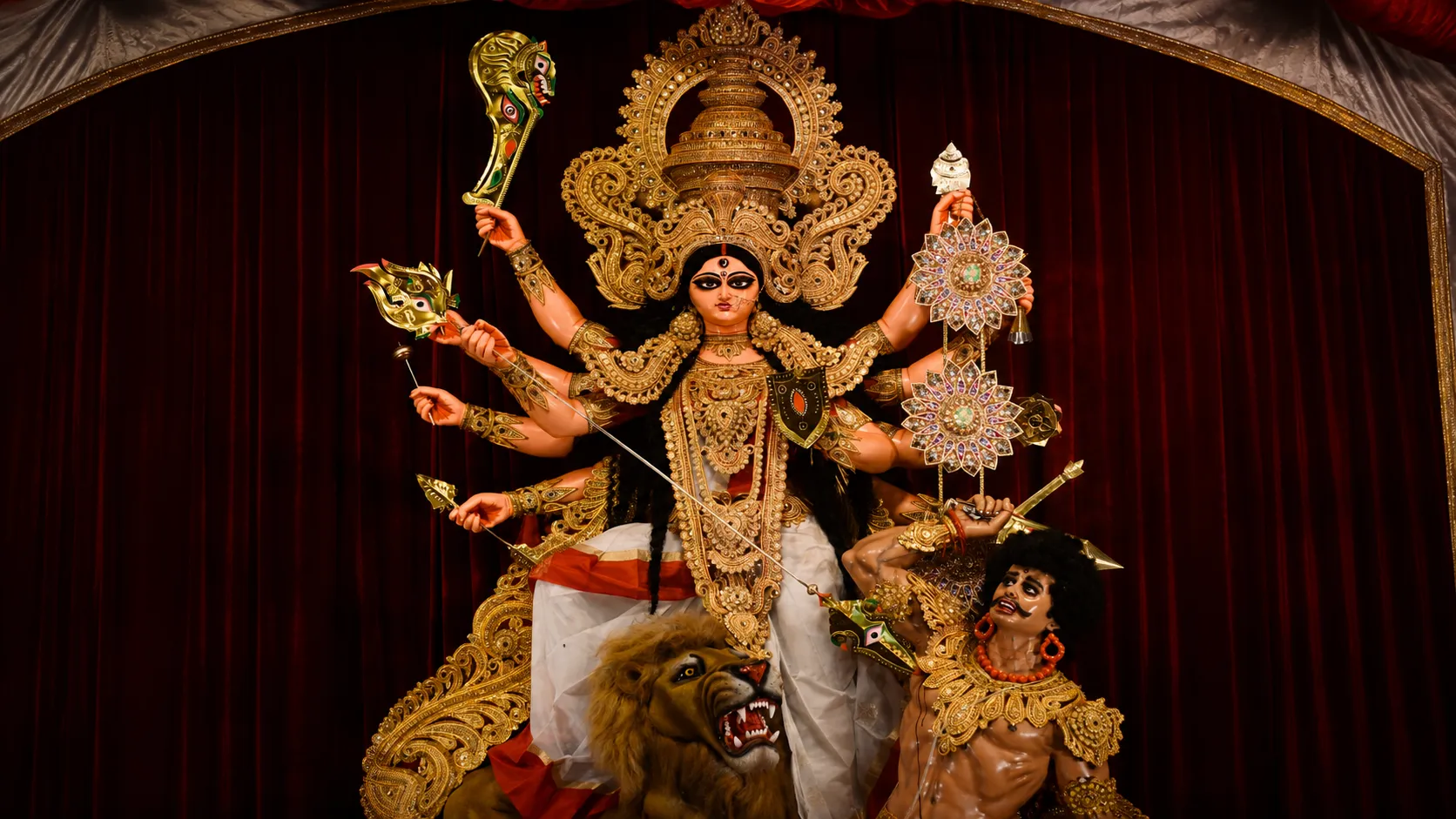
The monsoon’s long exit: still humid and unpredictable early on, but noticeably calmer by the month’s final weeks. It’s a genuine shoulder season, with softer hotel rates, emptier heritage sites, and the first hints of the coming dry season in the north. Durga Puja celebrations begin building toward their autumn crescendo, particularly in Kolkata. Best for: value travel, uncrowded heritage sites, early festival energy.
Cultural Hooks:
- Onam (Kerala, August–September): Kerala’s most important festival celebrates the mythical return of King Mahabali with the famous Sadhya (a 26-dish banana-leaf feast), Vallam Kali (snake boat races), and Thiruvathira dances. The Nehru Trophy Boat Race in Alappuzha is one of the most spectacular sporting events in India.
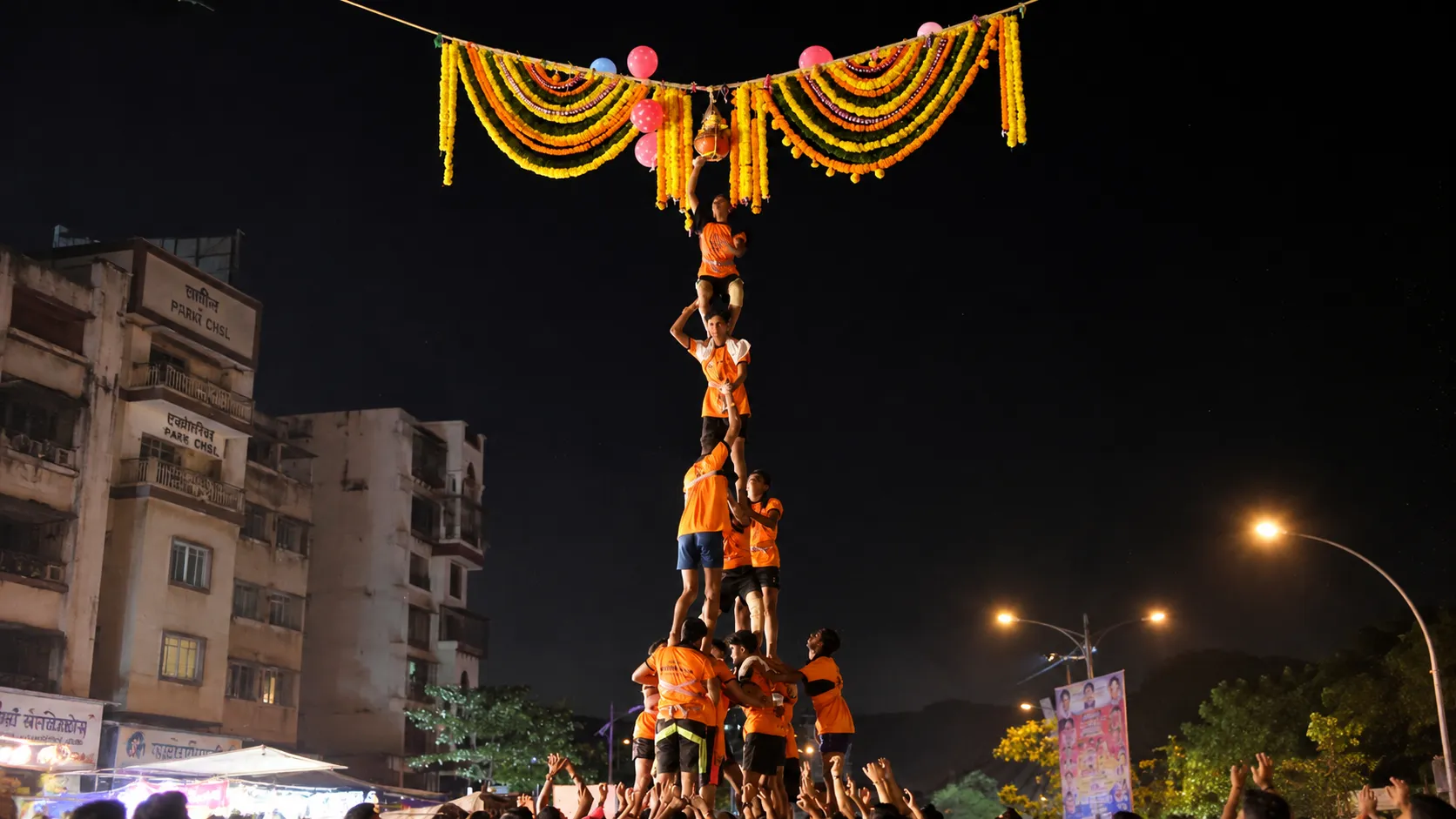
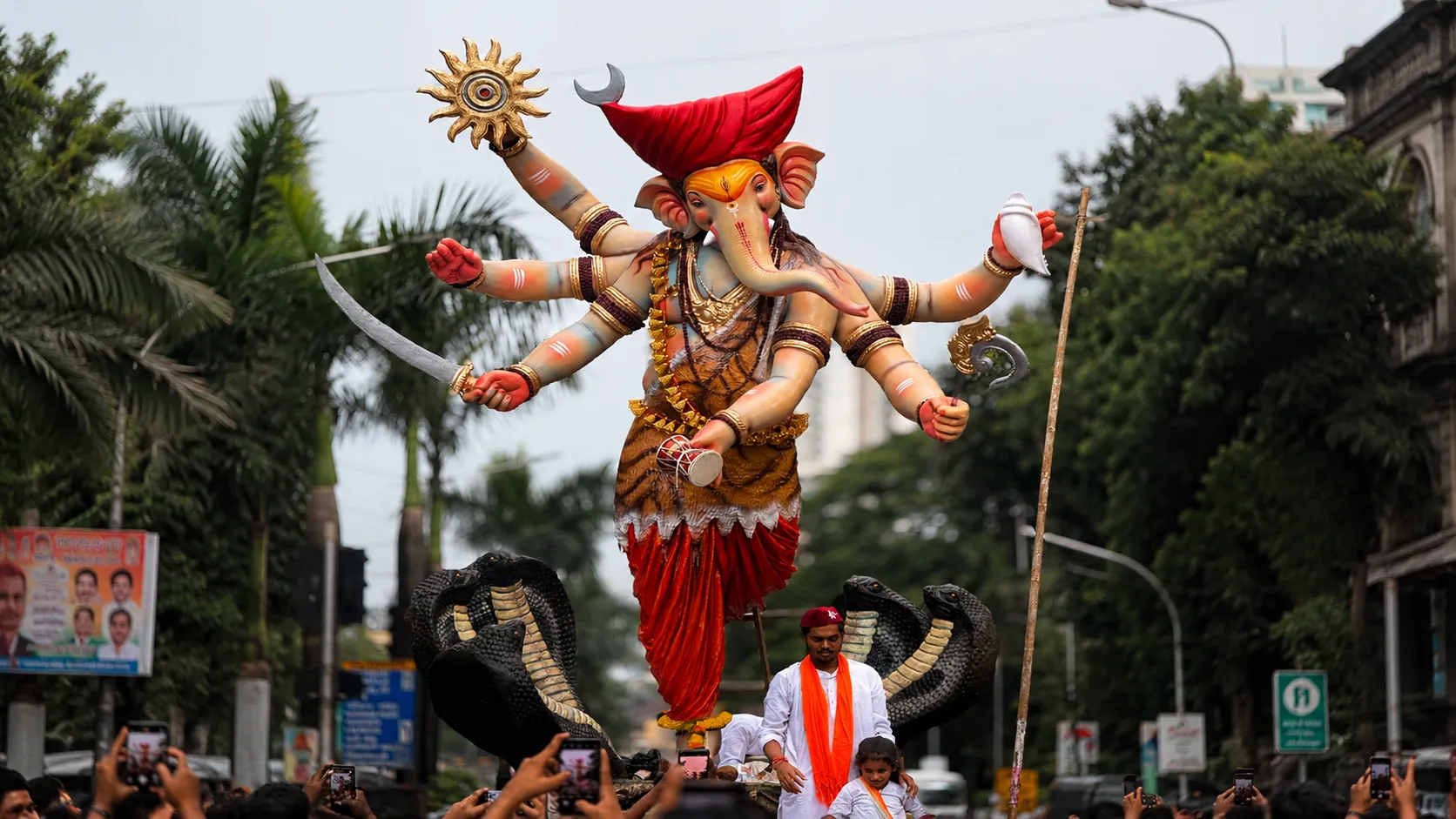
- Ganesh Chaturthi (Maharashtra, September): Ten days of street processions, giant clay idols, and communal celebration centred on Mumbai but felt across Maharashtra. The final night of Ganesh Visarjan along Marine Drive is a mass human experience unlike anything else in South Asia.
October — The Sweet Spot: Freshness, Festivals & Open Parks
Weather:
- North India: 20°C – 32°C | Dry, clear skies returning; crisp evenings
- Rajasthan: 22°C – 35°C | Warming but pleasant; roads excellent
- South India: 26°C – 34°C | Northeast Monsoon beginning in Tamil Nadu and Andhra
Best For: Navratri, Dussehra, Pushkar Camel Fair, Wildlife Parks (reopening), Kerala, Rajasthan
The true start of India’s peak travel season. The monsoon retreats from most of the country, humidity drops, and the Golden Triangle route becomes comfortable again for full days of sightseeing. Gandhi Jayanti, on 2nd October, is a national holiday, and Diwali sometimes falls in late October, filling homes and streets with oil lamps. Best for: the start of peak-season touring, Golden Triangle itineraries, early festival travel.
Cultural Hooks:
- Navratri & Dussehra (October — lunar calendar): Nine nights of Garba dancing (Gujarat’s Navratri is the world’s largest), climaxing in Dussehra — the burning of massive effigies of the demon king Ravana in Delhi’s Ramlila Maidan and in Mysuru (Mysore), where the Dasara procession of caparisoned elephants is one of India’s grandest royal spectacles.
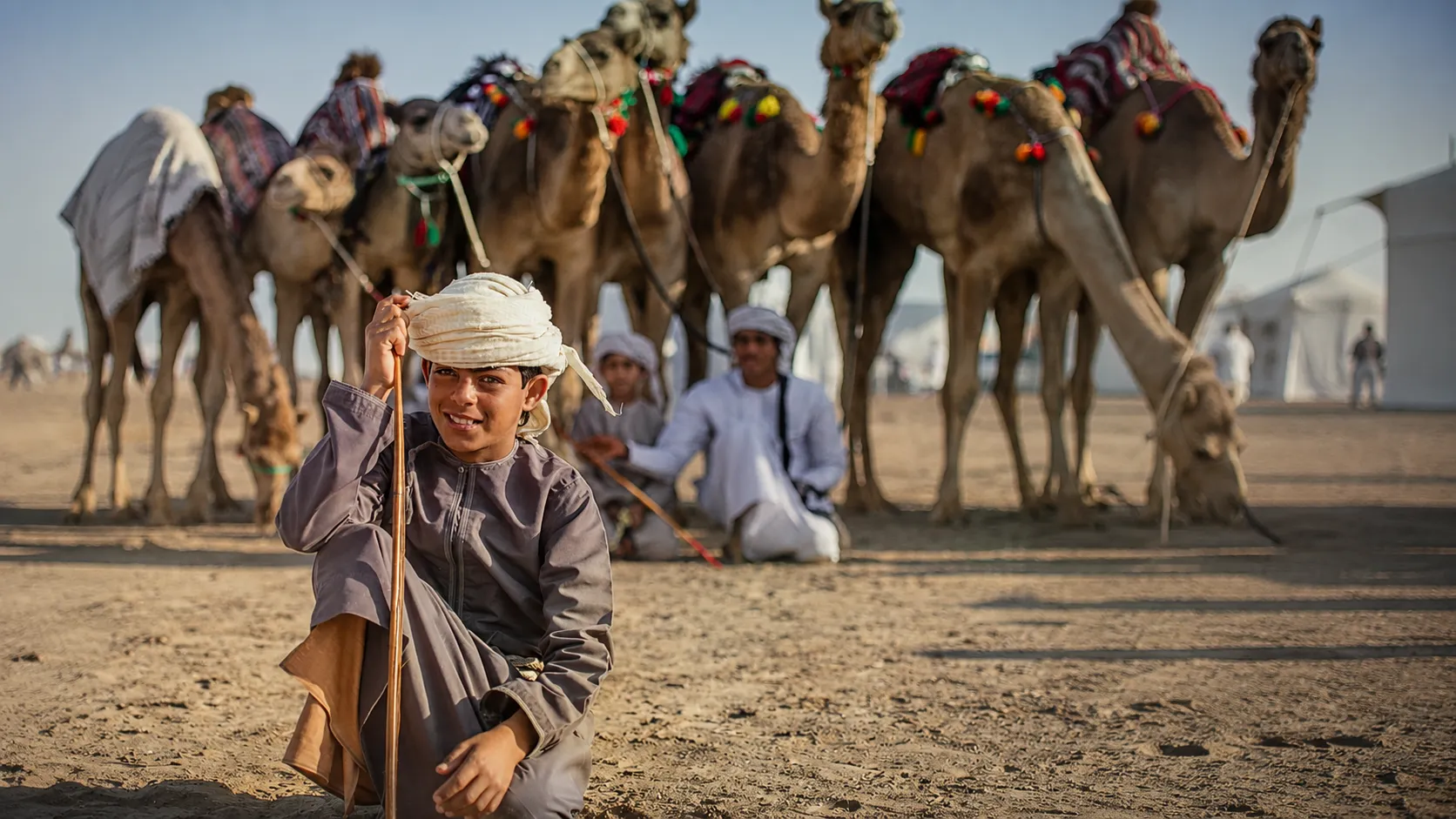
- Pushkar Camel Fair (Late October or November): The world’s largest camel fair — 50,000+ camels, 200,000 visitors, nomadic tribes, folk musicians, and a sacred lake. Book early and stay three nights minimum.
November — Peak Season Kicks In
Weather:
- North India: 10°C – 26°C | Ideal; nights cool, days warm and bright
- Goa: 22°C – 32°C | Beach season in full swing; humidity drops away
- Rajasthan: 12°C – 28°C | Perfect sightseeing weather
Best For: Goa, Rajasthan, Golden Triangle, Wildlife Safaris, Diwali (if lunar date falls here)
By most measures, the single best month to travel almost anywhere in the country. Skies are reliably clear, temperatures sit in a comfortable middle ground, and the tourism calendar hits its stride. Rajasthan’s Pushkar Camel Fair draws travelers from across the world for a spectacle of trade, colour and tradition, and Diwali often falls within the month. Best for: nationwide travel, the Pushkar Camel Fair, peak wildlife and heritage touring.
Cultural Hooks:
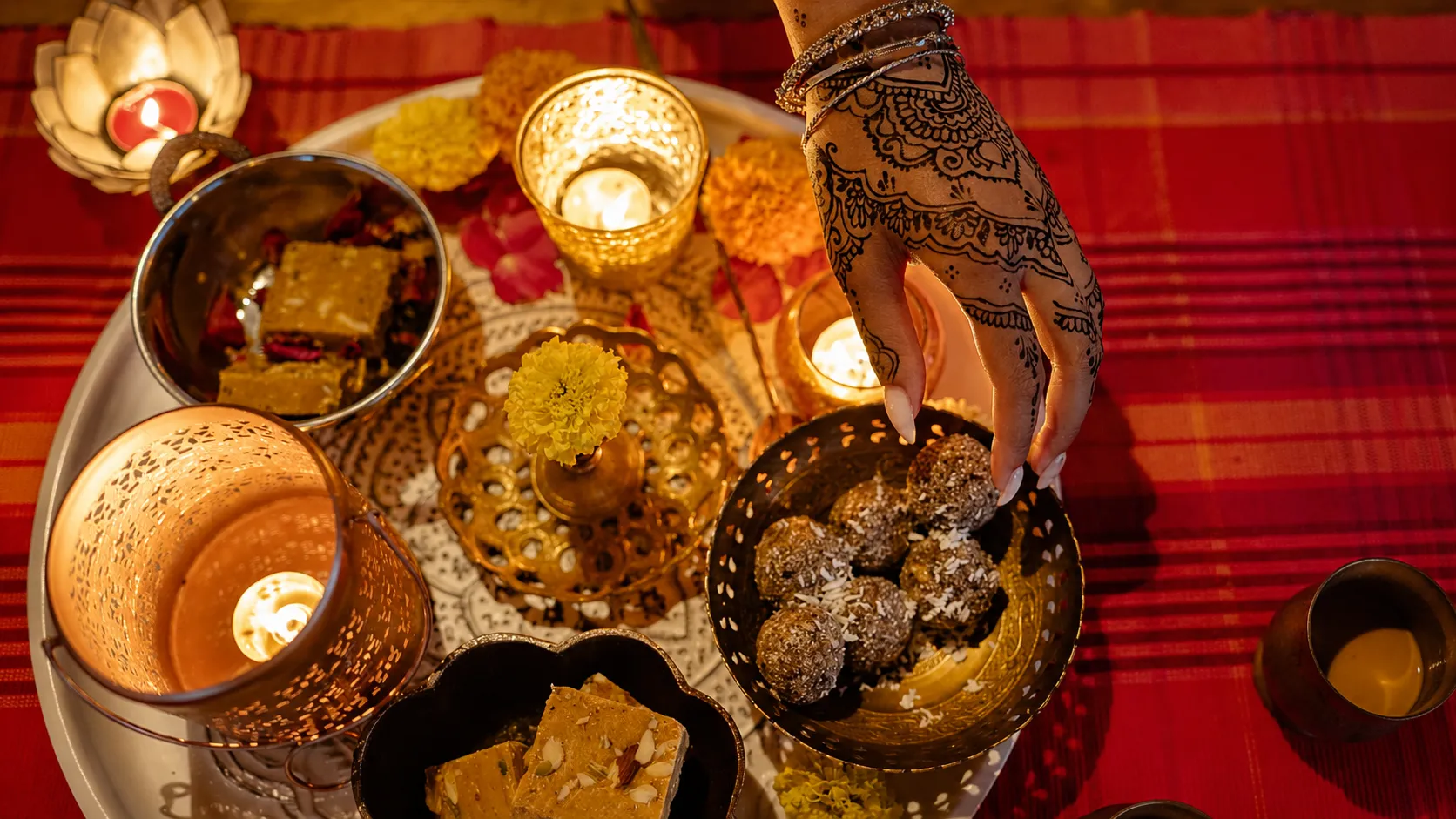
- Diwali (October or November — lunar calendar): The Festival of Lights. Jaipur and Varanasi are the two most atmospheric cities to experience Diwali — the ghats of Varanasi are lit with thousands of earthen oil lamps (diyas), and the entire city floats on the Ganga in a river of light. This is arguably India’s most emotionally powerful festival for first-time visitors.
- Pushkar Camel Fair (if lunar date falls in November): See October entry — this fair straddles October–November depending on the year’s lunar calendar.
December — The Grand Finale
Weather:
- North India: 5°C – 20°C | Cold nights; bright, crystalline days
- Goa: 20°C – 30°C | Perfect beach weather; Christmas is phenomenal
- Kerala: 22°C – 32°C | Cool mornings; backwaters at their best
Best For: Goa (Christmas & New Year), Rajasthan, Kerala, Varanasi, Wildlife Safaris
Genuinely cold mornings arrive in Delhi and the north, so pack accordingly, while South India and Goa become the country’s warmest, sunniest retreat. Christmas and New Year celebrations draw crowds to Goa’s beaches especially, so book well ahead. It’s peak season everywhere, which means the best hotels and guides are in high demand. Best for: South India and Goa in the sun, festive celebrations, well-planned peak-season touring.
Cultural Hooks:
- Christmas in Goa (December 25): A genuinely unique celebration blending Indian warmth with Portuguese-Catholic tradition. Midnight Mass at the Basilica of Bom Jesus (a UNESCO World Heritage site) is both a religious ceremony and a cultural event that Goa takes very seriously.
- Hornbill Festival, Nagaland (First week of December): All 16 major Naga tribes gather at Kisama Heritage Village near Kohima to perform traditional dances, display warrior attire, and share indigenous cuisine. An extraordinary and rapidly growing festival — still intimate enough to feel authentic.
Region-by-Region Travel Matrix
Cross-reference India’s six distinct geographical regions against the 12 calendar months to plan smarter:
|
Region
|
Jan
|
Feb
|
Mar
|
Apr
|
May
|
Jun
|
Jul
|
Aug
|
Sep
|
Oct
|
Nov
|
Dec
|
|
Golden Triangle (Delhi, Agra, Jaipur)
|
✔️
|
✔️
|
✔️
|
⚠️
|
✖
|
✖
|
✖
|
✖
|
⚠️
|
✔️
|
✔️
|
✔️
|
|
Rajasthan Desert (Jaisalmer, Bikaner)
|
✔️
|
✔️
|
✔️
|
⚠️
|
✖
|
✖
|
✖
|
✖
|
⚠️
|
✔️
|
✔️
|
✔️
|
|
Goa & Coastal West (Goa, Konkan)
|
✔️
|
✔️
|
✔️
|
⚠️
|
⚠️
|
✖
|
✖
|
✖
|
✖
|
⚠️
|
✔️
|
✔️
|
|
Kerala & South India (Backwaters, Munnar)
|
✔️
|
✔️
|
✔️
|
⚠️
|
⚠️
|
⚠️
|
⚠️
|
⚠️
|
✔️
|
✔️
|
✔️
|
✔️
|
|
Himalayan North (Shimla, Manali, Rishikesh)
|
⚠️
|
⚠️
|
✔️
|
✔️
|
✔️
|
✔️
|
✔️
|
✔️
|
✔️
|
⚠️
|
⚠️
|
✖
|
|
Ladakh & Spiti Valley
|
✖
|
✖
|
✖
|
✖
|
⚠️
|
✔️
|
✔️
|
✔️
|
✔️
|
✖
|
✖
|
✖
|
|
Central India Wildlife (Ranthambore, Kanha)
|
✔️
|
✔️
|
✔️
|
✔️
|
✔️
|
✖
|
✖
|
✖
|
✖
|
✔️
|
✔️
|
✔️
|
|
Northeast India (Meghalaya, Sikkim, Assam)
|
✔️
|
✔️
|
✔️
|
✔️
|
✔️
|
⚠️
|
⚠️
|
⚠️
|
⚠️
|
✔️
|
✔️
|
✔️
|
Key:
- ✔️ Ideal / Pleasant — Weather is optimal, most attractions accessible, recommended for first-time visitors
- ⚠️ Shoulder / Manageable — Possible with preparation; some trade-offs in heat, rain, or accessibility
- ✖ Extreme / Not Recommended — Heat, flooding, park closures, or snowbound roads make this a poor choice for most travellers
Regional Notes at a Glance:
- Golden Triangle (Delhi, Agra, Jaipur): Avoid May–September entirely — summer heat regularly exceeds 44°C and monsoon flooding disrupts infrastructure. The Taj Mahal in winter fog (January) is ethereal; in summer haze, visibility drops significantly.
- Rajasthan Desert (Jaisalmer, Bikaner, Jodhpur): The Thar Desert amplifies temperatures — Jaisalmer can hit 48°C in May and June. Winter nights are genuinely cold (4–8°C) and camel safaris require a sleeping bag. Peak season is November–February.
- Goa & Coastal West: June–September brings the monsoon in its most extreme form along the Konkan coast — roads flood, rip currents make swimming dangerous, and many beach resorts close entirely. The sweet spot is mid-November through mid-March when humidity drops away and sea temperatures are perfect.
- Kerala & South India: Kerala benefits from being south enough to remain pleasant nearly year-round, though the Southwest Monsoon (June–August) brings heavy rain. The Northeast Monsoon (October–November) affects Tamil Nadu but largely spares Kerala — an important distinction for itinerary planning.
- Himalayan North (Shimla, Manali, Dharamshala): December–February brings heavy snowfall that cuts off higher-altitude roads and turns Manali into a snow destination rather than a gateway to anything. The most accessible and rewarding months are April–October.
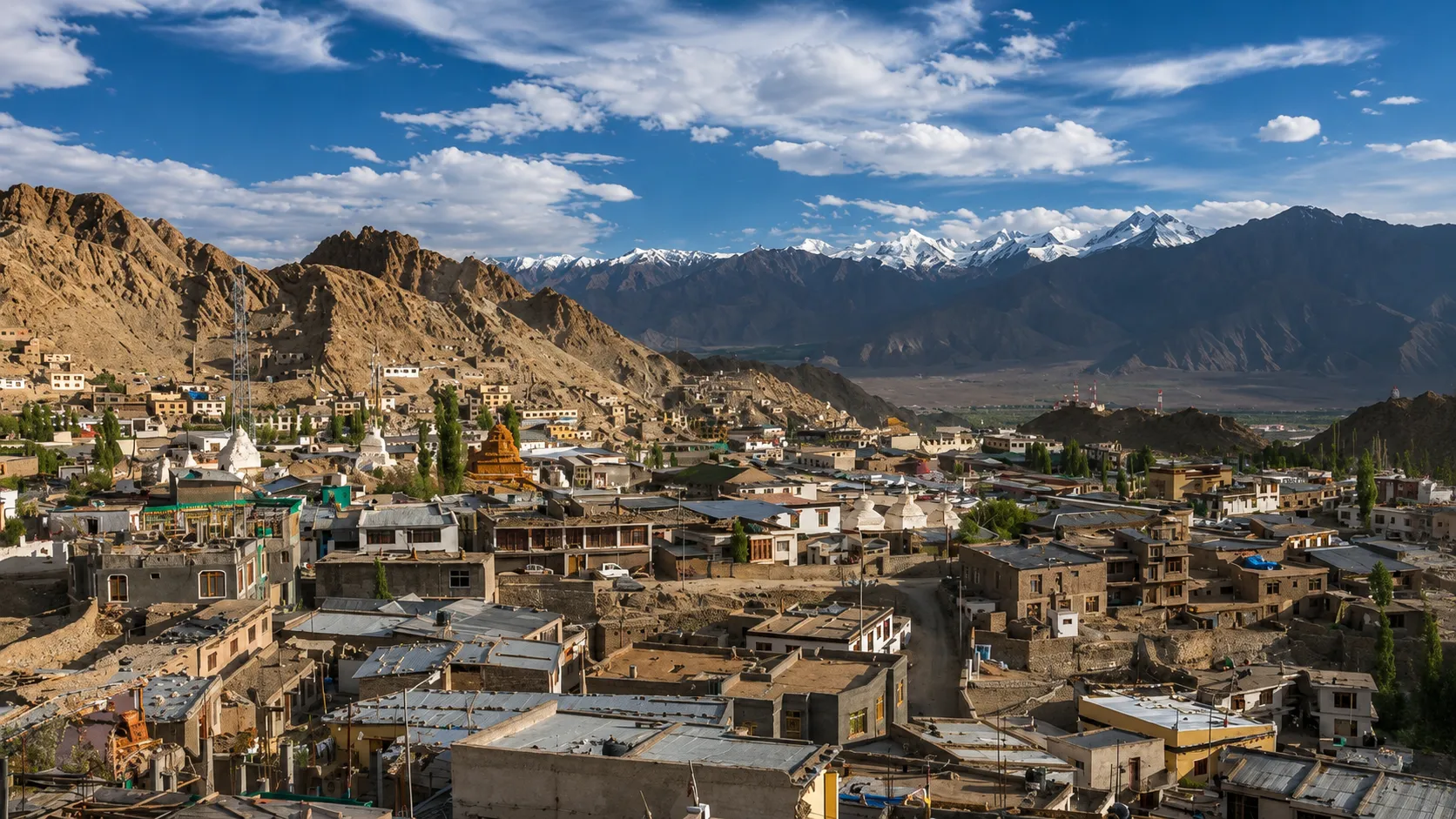
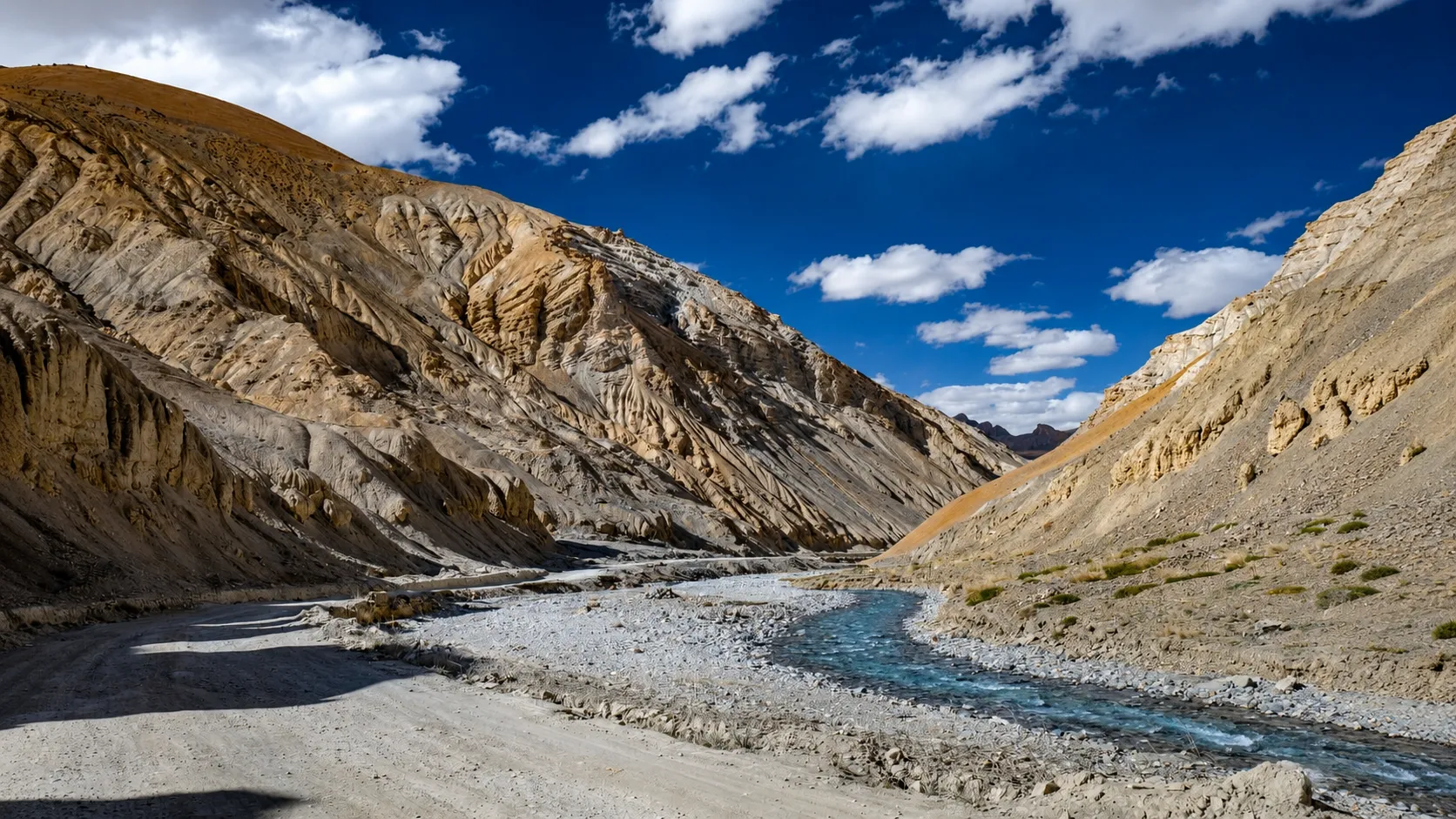
- Ladakh & Spiti Valley: Roads are snow-locked from November through April–May. The tourist season is firmly June–September — outside of this, Ladakh is inaccessible by road and expensive by air. June–August is the absolute prime window; September begins cooling toward winter. Do not attempt Ladakh without acclimatising for 48 hours in Leh (3,524m altitude).
- Central India Wildlife (Ranthambore, Kanha, Pench, Bandhavgarh): National parks are closed June–September (monsoon) by order of the National Tiger Conservation Authority. October sees staggered reopenings — some zones open October 1, others October 15. February–May offers exceptional visibility as vegetation dries; May also sees late-season tiger activity at waterholes before parks close.
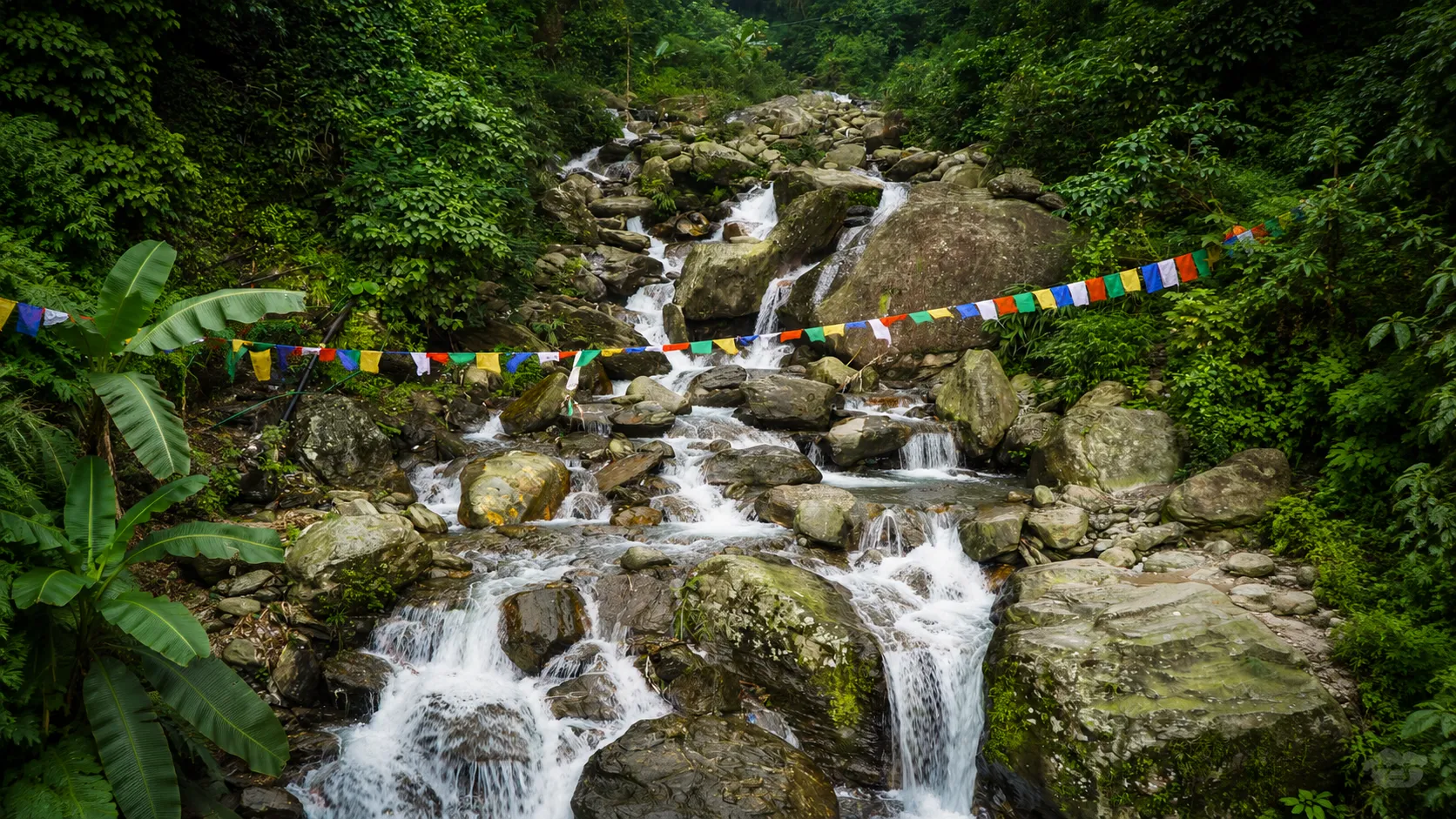
- Northeast India (Meghalaya, Assam, Sikkim, Nagaland): The Northeast is accessible most of the year, but its extraordinary biodiversity peaks in spring (March–May) and autumn (October–November). The monsoon brings heavy rain and occasional road closures, but Kaziranga National Park in Assam (UNESCO site, home to two-thirds of the world’s one-horned rhinos) is at its most spectacular just after the monsoon — October safaris here are world-class.
Best time to visit India by region
|
Region
|
Best months
|
Why
|
|
North India (Delhi, Agra, Rajasthan)
|
October – March
|
Dry, mild days suit the Golden Triangle and desert forts
|
|
Himalayan hill stations (Shimla, Manali, Darjeeling)
|
April – June, September – November
|
Cool relief in summer, clear skies for autumn trekking
|
|
Ladakh and the high Himalaya
|
June – September
|
Snowbound the rest of the year; this is its only real season
|
|
Goa and the west coast
|
November – February
|
Dry, sunny and at its liveliest
|
|
Kerala and South India
|
November – March
|
Coolest, driest stretch; backwaters and beaches at their best
|
|
Northeast India
|
October – April
|
Clear skies once the monsoon retreats
|
India's festival calendar
|
Festival
|
Typically
|
Where
|
|
Republic Day
|
26 January
|
New Delhi
|
|
Holi
|
March
|
North India, especially the Golden Triangle
|
|
Onam
|
August/September
|
Kerala
|
|
Ganesh Chaturthi
|
August/September
|
Maharashtra
|
|
Durga Puja
|
September/October
|
West Bengal, especially Kolkata
|
|
Diwali
|
October or November
|
Nationwide
|
|
Pushkar Camel Fair
|
November
|
Rajasthan
|
Frequently asked questions