

Marwar Festival Jodhpur 2026: Dates, Events & Planning
Marwar Festival in Jodhpur: What It Is, When It Happens and How to Plan Updated July 2026 — curated by...
Read More →
Updated July 2026 — curated by the Idyllic India Tours travel team
Rajasthan is India’s largest state by area, and that single fact shapes every trip there. Distances are long, the landscape changes from green Aravalli hills to open desert, and each city grew around a different royal house with its own fort, palace and craft tradition. A good plan is mostly about choosing which few of those places to see properly.
The state falls into rough travel regions, and thinking in regions makes route-building easier:
City | Best known for | Suggested stay |
Jaipur | Amer Fort, City Palace, Jantar Mantar, bazaars | 2 nights |
Jodhpur | Mehrangarh Fort, old blue-washed quarter | 1 to 2 nights |
Udaipur | Lake Pichola, City Palace, old-town lanes | 2 nights |
Jaisalmer | Living sandstone fort, desert camps | 1 to 2 nights |
Bikaner | Junagarh Fort, Karni Mata Temple | 1 night |
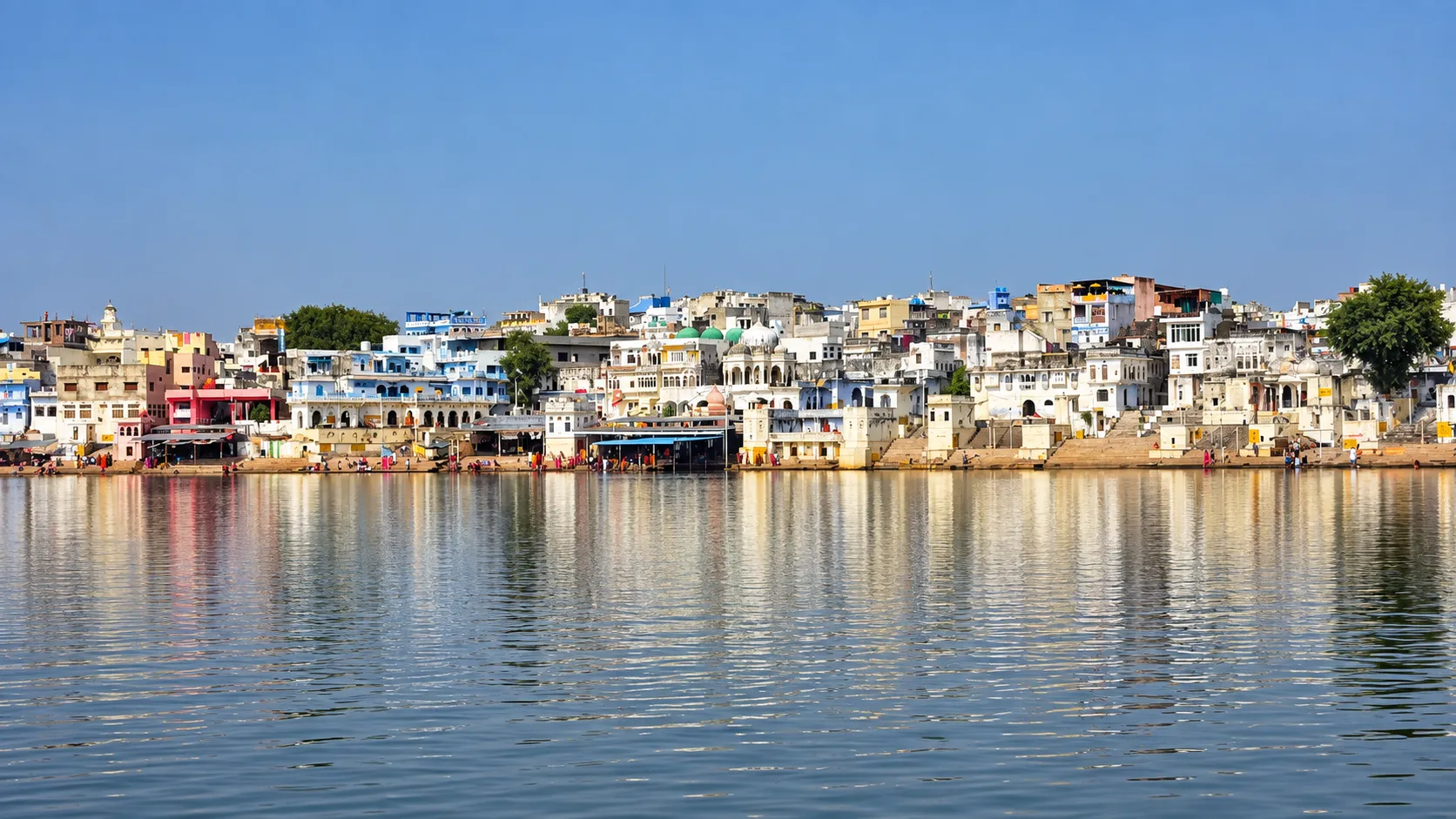
Pushkar | Sacred lake, Brahma Temple | 1 night |
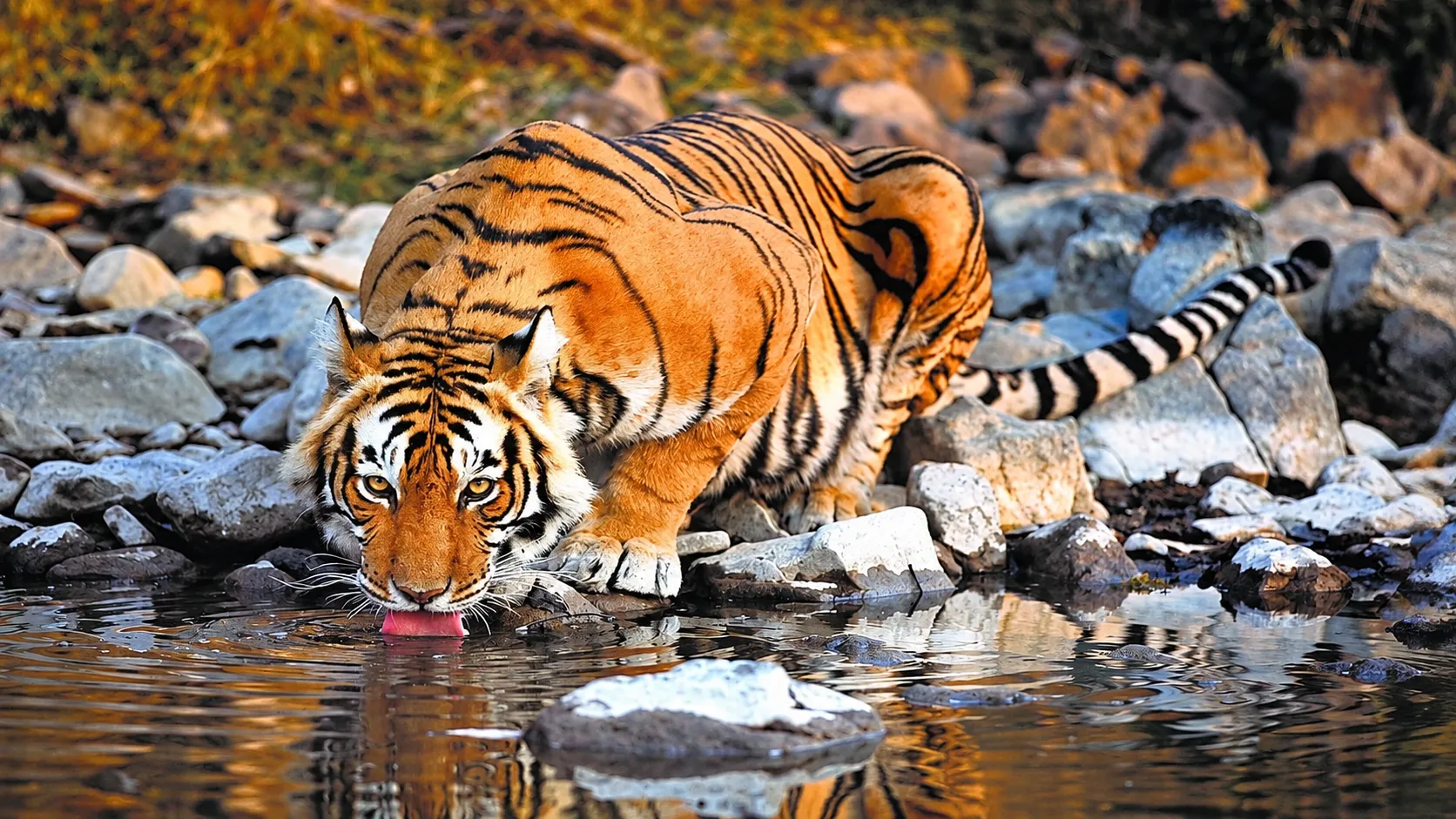
Ranthambhore | Tiger reserve, fort within the park | 2 nights |
These are planning guides, not rules. Pace matters more than the list: most of these cities are separated by four to six hours on the road.
For most travelers, the answer is the cooler half of the year, roughly October to March. Days are comfortable for forts and city sightseeing, and the desert is at its most usable. The trade-off is that this is also peak season, so good heritage hotels and drivers book up early, especially around Christmas, New Year and the major fairs.
Season | Roughly | What to expect |
Cool season | October to March | Pleasant days, cold nights in the desert (December and January can feel properly chilly after dark), busiest and most expensive period. |
Hot season | April to June | Daytime temperatures commonly climb above 40°C. Sightseeing shifts to early mornings and late afternoons; hotels with pools become part of the plan. |
Monsoon | July to September | Hotter, humid days broken by rain. The Aravalli hills and lakes look greener, and crowds thin out, but the western desert gets far less rain than the south and east. Wildlife parks such as Ranthambhore typically close core zones for the monsoon, so check reopening dates before building a safari into a summer trip. |
These ranges are general seasonal patterns rather than forecasts; check a current forecast for your travel week.
Several fairs are worth planning around, though their exact dates move each year with the lunar calendar or are set by the local administration, so confirm them with Rajasthan Tourism before booking flights:
If crowds and price matter more than perfect weather, the shoulder weeks at the start of October and end of March can be a reasonable compromise. If a festival is the point of the trip, plan the rest of the route around it, not the other way round.
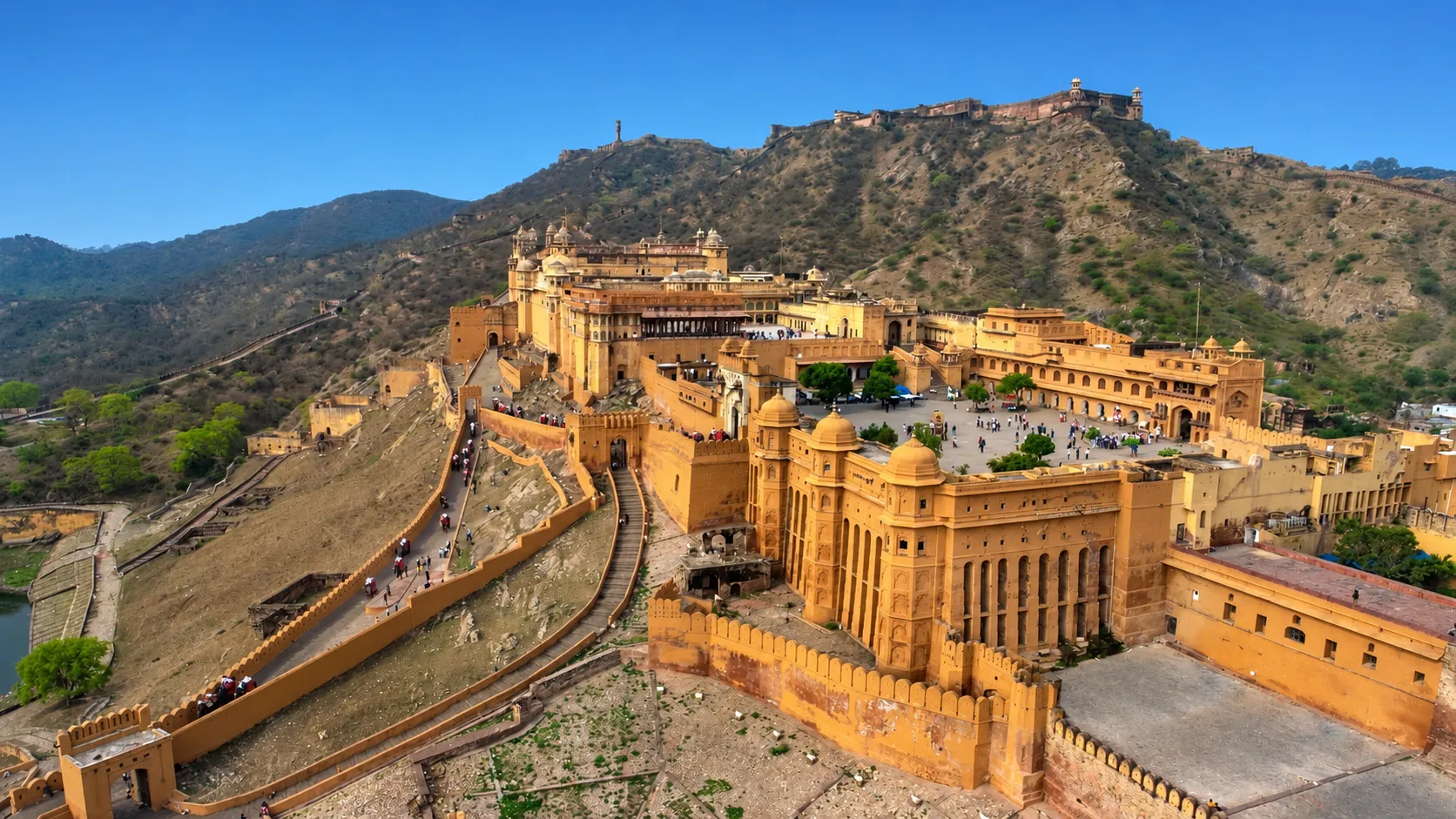
Jaipur, the capital, was founded in 1727 by Sawai Jai Singh II and is the natural first stop. Amer Fort sits on a ridge outside the city, while the City Palace, the Hawa Mahal facade and the astronomical observatory of Jantar Mantar sit within the old city. The bazaars around them, selling block-printed textiles, jewellery and blue pottery, reward a slow evening walk. The city’s pink colour is traditionally said to date from the nineteenth century, when the walls were painted to welcome a royal visitor.
For a meal that fits the setting, our post on Virasat Heritage Restaurant in Jaipur covers one heritage-style option in the city.
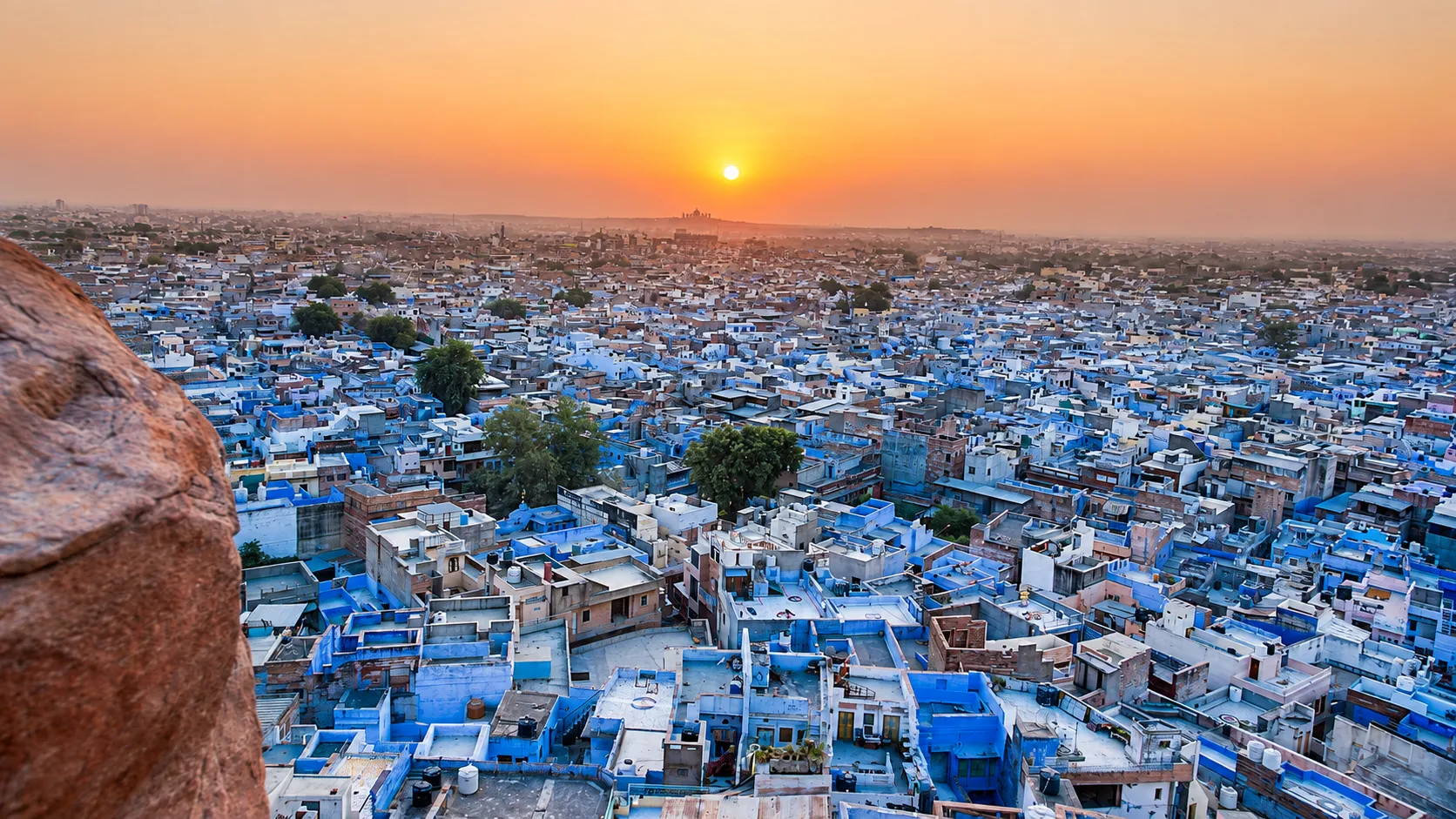
Mehrangarh Fort rises over the old city from a rocky outcrop and is one of the state’s most complete and best-presented forts. Below it, the old town’s blue-painted houses fill the streets around the clock tower and market. Add Jaswant Thada and, if you want a palace stay, the Umaid Bhawan Palace area.
Udaipur is built around water. The City Palace stands on the eastern bank of Lake Pichola, and boat rides from the palace jetty pass Jag Mandir and the Lake Palace, which now operates as a hotel on its own island. Ask the operator how long the route is and which stops it includes, because they vary. Late afternoon is the popular slot for light and atmosphere; morning rides tend to be quieter. Beyond the lake, allow time for the old-town lanes, the Saheliyon ki Bari garden and the craft shops selling miniature paintings.
Founded in the twelfth century, Jaisalmer rises from the Thar Desert in golden sandstone. Its fort is a living one, with homes, shops and guesthouses inside the walls, so treat it with the same care you would a residential neighbourhood. Sunset dune trips run from the city towards areas such as Sam, which is roughly 40 km away, and often include a camp evening with music. Standards of camps vary widely, so it is worth asking exactly what the price includes.
Rajasthan has several inscribed sites, which helps when you are deciding where to spend limited time:
Five to seven days covers a first-time highlights route; ten to fourteen lets you add the desert and a wildlife stop without rushing. Below are three practical shapes, all starting from Delhi, which is the main gateway for most international travelers.
Three days is enough for one city done well. Use Jaipur: Amer Fort and the old city on day one, the palaces and bazaars on day two, and a half-day trip such as Abhaneri or a craft-village visit on day three. Delhi to Jaipur is roughly five to six hours by road, so a short trip works best if you go by road early or take a train.
A compact loop that keeps driving manageable:
This leaves out Jaisalmer, which is an honest trade-off rather than an oversight: the desert adds a long drive each way.
Extend the seven-day loop with Jaisalmer after Jodhpur, and add Ranthambhore or Bikaner depending on whether you would rather see wildlife or another fort. At this length you can also afford a rest day at a resort or heritage hotel. If you would rather have this designed and driven for you, our Royal Rajasthan Tours journey is the extended route, and the team can adjust it for your dates.
Route | Approx. distance | Approx. drive time |
Delhi to Jaipur | 270 km | 5 to 6 hours |
Jaipur to Pushkar | 145 km | About 3 hours |
Jaipur to Jodhpur | 335 km | 5 to 6 hours |
Jodhpur to Jaisalmer | 285 km | About 5 hours |
Jodhpur to Udaipur | 250 km | 5 to 6 hours |
Jaipur to Udaipur | 400 km | 6 to 7 hours |
Jaipur to Ranthambhore | 180 km | 3.5 to 4 hours |
These are typical figures for planning. Traffic, roadworks and the time of day change them, so ask your driver or hotel to confirm before fixing your schedule.
Arriving. Most travelers fly into Delhi and go to Jaipur by road or train. Jaipur has its own international airport, and Udaipur, Jodhpur and Jaisalmer have airports with domestic connections; schedules change, so check current flights.
Getting around. The main options are:
Visas. Many nationalities can apply for an Indian e-visa online. Apply only through the government’s official portal (indianvisaonline.gov.in), because look-alike sites charge extra. Fees, validity and eligibility change, so check the portal before you book.
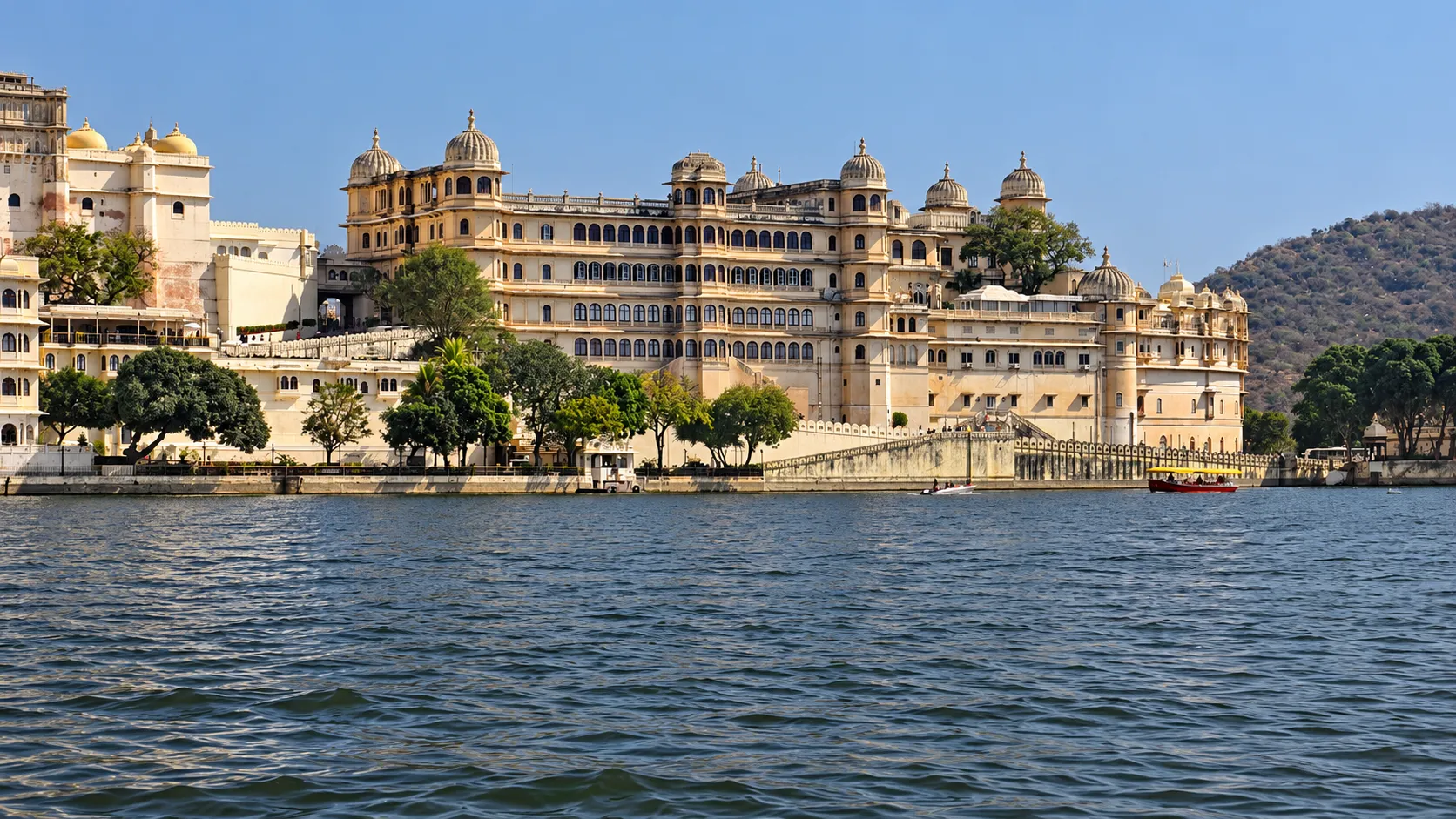
Staying in a converted palace, fort or haveli is a large part of why people choose Rajasthan, and it is worth understanding what you are booking. Heritage properties range from grand former royal residences to small family-run havelis, and the experience differs as much as the price.
For more on this side of Rajasthan, browse the Heritage Properties section of Explore Together.
Three quick tools built on the guide above: see how a route really adds up, check any month, or let us match a route to what you love.
How many days do you have? Tap a stop for highlights. The numbers show how much of your holiday is spent on the road.
*Only road legs with typical planning figures are counted, and each is one way. Traffic and roadworks change them, so ask your driver or hotel to confirm before fixing a schedule.
Tap a month to see what to expect. Your current month is selected to start.
These are general seasonal patterns, not forecasts. Festival dates move each year, so confirm them with Rajasthan Tourism before booking flights.
October to March is the most comfortable period for sightseeing, with pleasant days and cool nights. It is also the busiest, so book hotels and drivers early. April to June is very hot, and July to September is the monsoon, which is greener but humid.
Five to seven days works for a highlights route such as Jaipur, Jodhpur and Udaipur. Ten to fourteen days lets you add Jaisalmer and a wildlife stop at a more relaxed pace. Three days is enough for one city, most sensibly Jaipur.
Rajasthan receives large numbers of domestic and international visitors, and serious problems are uncommon. The more likely issues are petty scams, heat and stomach upsets, all manageable with ordinary precautions. Check your government’s current travel advice before you go.
Yes. Jaipur is part of the Golden Triangle with Delhi and Agra, so many travelers use that circuit as a base and extend into Rajasthan. Our Golden Triangle Tours page shows the standard circuit, and the Rajasthan route can be added on top.
Independent planning works if you have time to manage drivers, bookings and long transfers. A private tour is more useful when you want a fixed route, vetted hotels and a driver-guide handling the logistics. The choice usually comes down to how much of your holiday you want to spend organising it.
Jaipur, because it is the closest major city to Delhi and gives a good introduction to forts, palaces and bazaars. From there, most routes continue to Jodhpur and Udaipur.
Chat on WhatsApp